
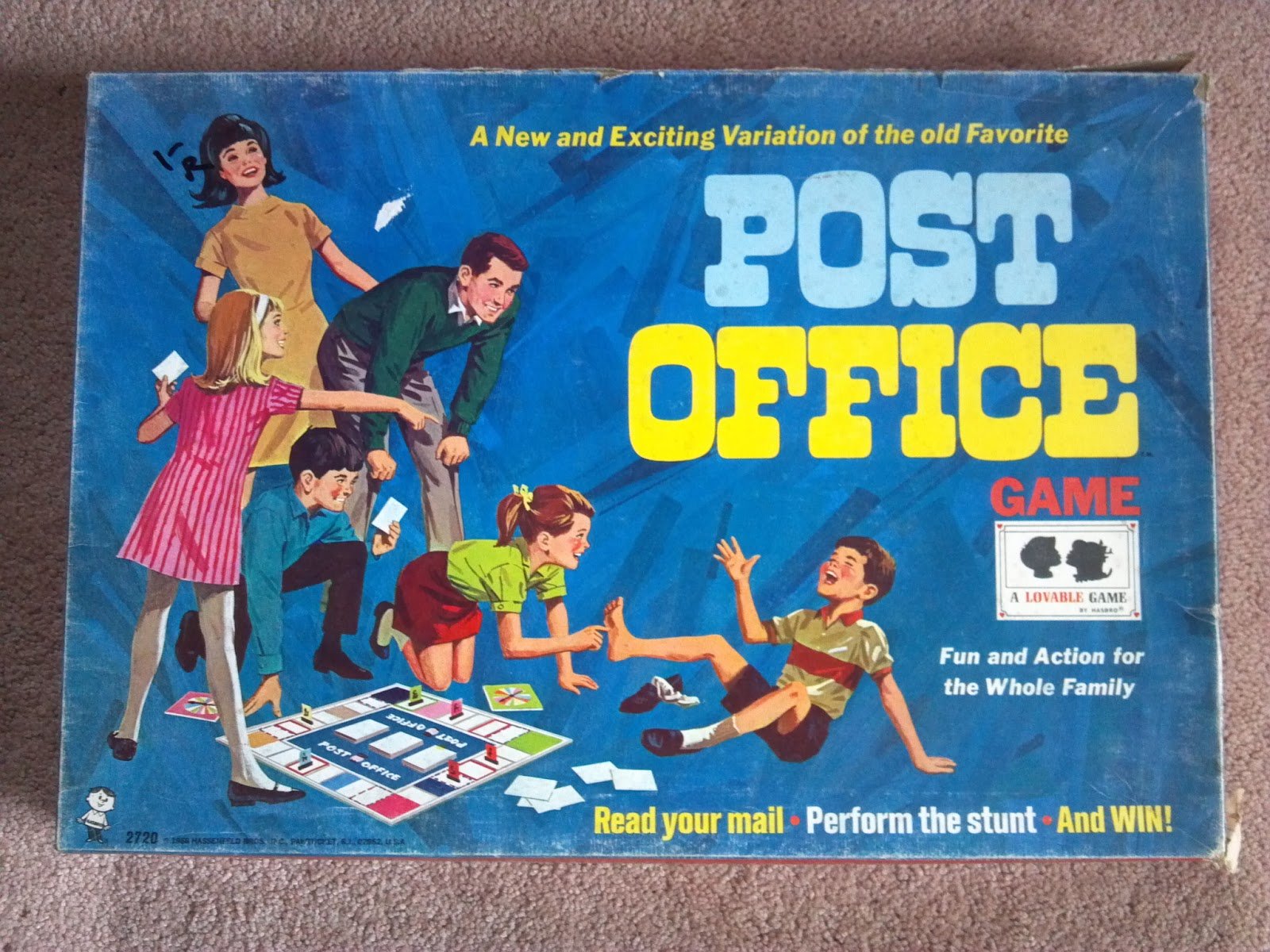
The game post office is a pretend play activity where children simulate postal service operations, handling letters, packages, and stamps.
Ever wondered how letters magically reach their destinations? Kids often do, and that curiosity sparks a world of play. What is the game post office, exactly? It’s a fantastic way for kids to learn about mail delivery.
They create their own post office, complete with sorting, stamping, and delivering letters. This imaginative play involves them in a fun simulation of the postal system.

What is the Game Post Office?
Have you ever imagined a world where you could send secret messages and cool packages to your friends, not through the usual mail, but through a fun game? That’s exactly what the “Game Post Office” is all about! It’s not a real post office with stamps and mail trucks. Instead, it’s a super fun activity, often played in groups, that lets you practice communication, creativity, and maybe even a bit of teamwork. Think of it as pretend play, but with a purpose. It’s about sending and receiving messages, just like a real post office, but in a playful and imaginative way. This game can be adapted to different themes, making it exciting every time you play.
The Basic Idea of the Game Post Office
The core idea behind the Game Post Office is very simple. It’s all about setting up a pretend post office where “mail” is created, delivered, and received. You can use anything you have around the house as your post office, like a table, a cardboard box, or even just a corner of a room. The “mail” can be anything too – letters, drawings, small toys, or even just silly notes. The game helps kids understand the concept of a post office, communication, and the joy of giving and receiving.
Setting Up Your Game Post Office
Before you can send and receive mail, you need to set up your post office. Here’s how:
- Choose Your Location: Pick a spot in your house that will be the “post office.” This could be a table, a desk, or even just a rug on the floor.
- Create Your Post Office Sign: Make a sign that says “Post Office.” Use markers, crayons, or anything else to make it colorful.
- Gather Your “Mail”: Collect paper, crayons, pencils, small toys, and anything else you want to use for your mail.
- Prepare Mailboxes: You can use shoeboxes, envelopes, or even paper bags as mailboxes for each player. If you don’t have enough, you can simply make spots on a table for each person’s mail.
The Roles in a Game Post Office
A fun part of the game post office is assigning roles. These roles help make the game more structured and add to the fun. Here are some roles you can consider:
- Postmaster/Postmistress: This person manages the post office. They might sort the mail, make sure everyone is following the rules, and generally keep things running smoothly.
- Mail Carriers: These are the people who deliver the mail. They can walk, run, or even hop to get the mail to the right people.
- Mail Creators: These are the people that create the mail. They write letters, draw pictures, and make little gifts.
- Mail Receivers: These are the lucky people who receive the mail!
You can also change the roles every so often, so everyone gets a chance to try each one.
Playing the Game Post Office
Now that you have your post office set up, it’s time to play! Here’s how a typical round might go:
- Create Mail: First, everyone creates mail for someone else. They could write a letter, draw a picture, or even make a small gift. Don’t forget to write the receiver’s name on the mail.
- Drop Off Mail: Once everyone has created their mail, they bring it to the post office. The postmaster may help sort the mail into different areas or mailboxes if you have assigned mailboxes.
- Deliver the Mail: The mail carriers collect the mail and deliver it to each person. They make sure each letter and gift reaches its correct receiver.
- Receive and Read: Everyone opens and reads their mail. They can then talk about what they received and enjoy the messages and creations.
Repeat this process as many times as you like, changing the roles and the content of the mail each time.
Adding Fun Themes to Your Post Office Game
To make the Game Post Office even more exciting, try adding a theme. You can make it anything you want!
- Holiday Post Office: During holidays like Christmas, Halloween, or Easter, the mail could include holiday-themed drawings, messages, or even small gifts.
- Animal Post Office: Pretend that all the mail is delivered by animals. Each person can take the role of an animal carrier.
- Space Post Office: Imagine you’re sending messages to astronauts on a space station. The mail could include drawings of planets, stars, and spaceships.
- Fairy Tale Post Office: Characters from fairy tales can send messages to each other. Princesses might write to dragons, or a wolf might send a note to Little Red Riding Hood.
Themes help encourage more creativity and make each game different and enjoyable.
Why Playing Game Post Office is Beneficial
Playing the Game Post Office isn’t just fun; it’s also very good for your development. It can help in many ways.
Developing Communication Skills
One of the best things about the Game Post Office is that it encourages communication. Whether you are writing a letter, drawing a picture, or talking about what you received, you are constantly using your communication skills. You learn to express your ideas and feelings and understand other’s messages. This activity is great for developing language and vocabulary.
Boosting Creativity and Imagination
When creating mail for the Game Post Office, you have to think of new ideas. You can draw, write, and make gifts using whatever you find. This helps boost your creativity and imagination. You think of imaginative scenarios and engage in pretend play. It’s a good way to think beyond regular ways and have fun with your creativity.
Understanding the Concept of a Post Office
Playing the Game Post Office gives you an idea about how a real post office works. It helps to see the process of creating, sorting, and delivering mail. Kids learn about a real community service in a way they can understand and enjoy.
Promoting Social Skills and Teamwork
When playing in groups, the Game Post Office encourages sharing, taking turns, and working together. Mail carriers have to work together, and everyone waits to receive their mail. This is a good activity to promote social interaction, teach kindness, and also teamwork skills.
Making it Work for Different Age Groups
The Game Post Office is versatile, meaning it can be adjusted to work with a wide range of ages.
Younger Children (Preschool-Kindergarten)
For younger children, keep the game very simple. The mail can be mostly drawings and pictures with a little assistance in writing their names or short messages. The rules should be straightforward, and the focus should be on having fun with the act of creating and delivering. Post office roles can be very flexible, letting each kid do many things.
Older Children (Elementary School)
With older kids, the game can become more complex. They can create longer letters, create puzzles, codes, or even small crafts as mail. The post office can have different departments, and children can take on specific responsibilities. There can be a small charge or tokens as payment for delivery. You can also add problem solving and creative challenges that enhances the complexity of the game.
Playing with Different Group Sizes
The Game Post Office can be played with just two people or a large group. If there are only two players, they can take turns being mail creator and receiver. In a group, they can either work together or play with assigned roles.
Adaptations for Special Needs
The Game Post Office is easily adaptable for children with special needs. You can use pictures for mail instead of words, provide physical assistance in delivering, or make changes to the rules to ensure everyone can take part equally. It’s all about making sure everyone can participate and enjoy.
Creative Variations of Game Post Office
To keep the game exciting, try some creative twists and variations:
- Mystery Mail: Send mail with clues or riddles that need to be solved.
- Story Mail: Send a message that is part of a collaborative story, where everyone adds to the story with each letter.
- International Post Office: Pretend you are sending mail from different countries and try to learn about those cultures.
- Musical Mail: Instead of letters, send short musical patterns using a musical instrument or even just humming.
Think outside the box and come up with your own variations. The options are endless.
Using Game Post Office in an Educational Setting
The Game Post Office can be a wonderful activity in classrooms, learning centers, or even homeschool. It’s not just play; it’s a great learning tool.
Literacy Development
Writing letters and messages helps students practice their writing skills. They learn to express thoughts and ideas through words. This activity is also beneficial for language and vocabulary growth. Creating mail allows them to practice different styles of writing, from friendly letters to creative storytelling.
Art and Creativity
Making drawings and decorations for mail enables students to practice their art skills. This part of the game helps develop their visual expression, design sense, and creativity. It is also a good way to engage with different art mediums and tools.
Social and Emotional Learning
The game encourages communication, kindness, and caring for others. Students learn to share, take turns, and work collaboratively. It also helps students understand different roles and responsibilities. It is a perfect opportunity to teach empathy and compassion.
Math Concepts
You can incorporate simple math into the Game Post Office game. For example, students can sort mail based on different shapes, sizes, or colors, or they can add up the number of deliveries they make.
Essential Items to Have for Game Post Office
While you can play using just about anything, having a few essential supplies helps make the game more effective.
- Paper: This is needed for letters, drawings, and writing notes.
- Pencils, Crayons, Markers: These are for writing and drawing.
- Envelopes or Small Bags: These are useful for enclosing mail.
- Stickers or Stamps: These can add a fun and decorative touch.
- Small Boxes or Containers: These can serve as mailboxes.
You can add more based on your theme and the age group playing.
Safety Considerations
While playing the Game Post Office is usually very safe, some things should always be kept in mind, especially when little ones are participating:
- Avoid small items that can be a choking hazard, if little kids are part of the game.
- Make sure the play area is safe and free from hazards.
- Supervise younger children, to ensure they play safely.
It is very important to keep safety in mind during any play, and the Game Post Office is no exception.
The Game Post Office is more than just a fun activity. It is a creative way to play while learning important skills like communication, creativity, and teamwork. You can play it at home or school, with a few people or with a large group. Whether you are sending a simple drawing or a long message, this activity brings much fun and allows all to learn while having a great time.
Post Office Vocabulary | Educational Videos | Learning English | Talking Flashcards – ESL Game
Final Thoughts
The game Post Office is a role-playing activity. Players pretend to work in a post office. They sort mail and deliver it to designated recipients.
This fun game teaches important concepts. Children develop skills while engaging in pretend play. They learn about addresses and the mail system.
Ultimately, what is the game post office? It’s a fantastic tool for learning. The game promotes social interaction and problem-solving for all involved.

