
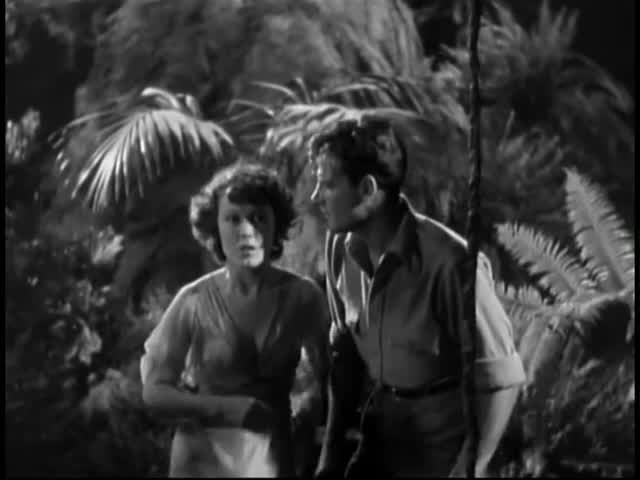
The genre of “The Most Dangerous Game” is primarily a suspenseful thriller, incorporating elements of adventure and horror.
Have you ever pondered what makes a story truly gripping? Some tales stick with us long after the final page. A question frequently comes up when discussing Richard Connell’s short story: what is the genre of the most dangerous game? Its thrilling narrative, filled with tension, keeps you at the edge of your seat.
The story’s core lies in a deadly hunt. This man versus man contest creates an atmosphere of fear. The game becomes a fight for survival. That is what draws readers in and keeps them guessing until the end.

What is the Genre of “The Most Dangerous Game”?
Let’s dive into the exciting world of “The Most Dangerous Game” and figure out exactly what kind of story it is. You might think it’s just a simple adventure tale, but it’s actually much more than that. It’s a story that combines different elements to create a thrilling and thought-provoking experience. We need to look at all the clues to really understand what makes this story tick. So, what genre does “The Most Dangerous Game” truly belong to? Get ready to explore!
The Core Elements of Thriller and Suspense
First off, let’s talk about the heart-pounding feeling you get while reading this story. That feeling is a big clue! A big part of “The Most Dangerous Game” is that it’s a thriller. Thrillers are designed to keep you on the edge of your seat, and this story does that perfectly. Think about those moments when Rainsford is being hunted – the constant tension, the feeling that danger is lurking everywhere. This is classic thriller territory.
Suspense is another key ingredient. Suspense is when the author makes you wait to see what will happen next, and builds anticipation. In this story, we are always wondering what Zaroff will do, how Rainsford will survive, and what will happen in the very end. The uncertainty keeps you guessing, which is what great suspense is all about.
What Makes a Story a Thriller?
- Fast-paced action: Things move quickly in “The Most Dangerous Game,” keeping you engaged.
- High stakes: Rainsford’s life is constantly on the line, adding to the tension.
- A sense of danger: You always feel like something bad might happen to Rainsford, making the story very intense.
- Antagonist: The hunter becoming the hunted trope is very much present here.
What Makes a Story Suspenseful?
- Uncertainty: You don’t know what’s going to happen next, and that keeps you reading.
- Anticipation: You are waiting to see what actions will be taken by the character and the result of those actions
- The unknown: Much of the danger isn’t directly shown, making it more frightening.
The Darker Side: Is It Horror?
Now, some might argue that “The Most Dangerous Game” has some horror elements, and they would be right! While it may not be the kind of horror that includes ghosts or monsters, it does tap into a darker, more disturbing side. The idea of hunting a human being is inherently horrifying. Think about the feeling of unease you have when you realize that Zaroff hunts people. It’s not the kind of thing you read in a typical adventure story. This element of horror makes the story more complex and unsettling.
Horror Elements Present in the Story
- Disturbing premise: The core idea of hunting humans is very scary.
- Psychological tension: You feel the characters psychological stress.
- Moral questions: The story forces you to think about right and wrong.
- Sense of dread: There’s a lingering feeling of fear and despair.
However, it’s important to note that it isn’t pure horror. It doesn’t aim to scare you with jump scares or gruesome details. Instead, it uses the horror element to build tension and make you think about the nature of evil.
Adventure With a Twist
Don’t forget that at its core, this story does involve adventure. It begins with Rainsford falling off a yacht, landing on a mysterious island, and having to deal with an unexpected situation. These are classic adventure story elements. But, the adventure element in “The Most Dangerous Game” is different. It’s not about exploration or discovering hidden treasures, but about surviving a dangerous game. The adventure aspect is wrapped up in the thriller and horror elements, making it a more intense and less traditional kind of adventure story.
How Adventure is Presented
- Exotic setting: The mysterious island adds an element of adventure.
- A journey: Rainsford is thrown into a situation, and then he has to survive it.
- Action: He is required to come up with ideas to save himself from the antagonist.
Psychological Aspects of the Story
Let’s look at the psychological side. “The Most Dangerous Game” isn’t just about running and hiding. It delves into the minds of the characters. We see how Rainsford changes throughout the story. At first, he is just a hunter who thinks only about his own viewpoint. But then he becomes the hunted, and he starts seeing things differently. We also look at Zaroff’s mind and understand how he justifies his evil actions. These psychological explorations add another dimension to the story.
Psychological Elements in the Story
- Character Transformation: We see Rainsford’s shift in perspective.
- Motivations: We question the inner reasons behind Zaroff’s actions.
- Survival Instincts: The story shows how people react to high stress situations.
The Influence of the Man vs. Man Conflict
One of the main things that pushes “The Most Dangerous Game” forward is the conflict between Rainsford and Zaroff. This is a man vs. man conflict, where two people are pitted against each other. The whole story revolves around this struggle between the hunter and the hunted. This aspect of the story adds a level of intensity that makes it all the more captivating. It’s not just an external conflict, but an internal struggle for both of them, especially for Rainsford. It is not just a physical hunt, but also an intelligent and psychological duel. This element puts it in a specific category.
A Blend of Genres: How to Classify “The Most Dangerous Game”
So, what is the ultimate genre of “The Most Dangerous Game”? The truth is, it’s a mix! It takes elements from the thriller, horror, and adventure genres. This makes it hard to put it into just one category. The term that fits best is probably ‘thriller’ with elements of ‘suspense’ and ‘psychological horror.’ The adventure elements are still present, but they mainly serve to set the stage for the main conflict, and don’t dominate the story.
It’s this unique combination that makes it so fascinating. The story doesn’t neatly fit into a single box, and that’s part of its appeal. It’s a thriller with deeper meanings, making us think about human nature and the line between hunter and prey. “The Most Dangerous Game” is a prime example of how a story can combine different elements to create a truly unforgettable experience.
Here’s a summary in table form to help you visualise it better:
| Genre | Key Characteristics in “The Most Dangerous Game” |
|---|---|
| Thriller | Fast-paced action, high stakes, sense of danger, tense situations. |
| Suspense | Uncertainty, anticipation, the unknown, waiting for the outcome. |
| Psychological Horror | Disturbing premise, psychological tension, exploration of dark themes, sense of dread. |
| Adventure | Exotic setting, a journey or quest, action sequences, elements of risk. |
So, the next time someone asks you what genre “The Most Dangerous Game” belongs to, you can say it’s a thrilling blend of suspense, psychological horror, and a touch of adventure! It’s a story that really makes you think, and that’s what makes it so great.
The Most Dangerous Game by Richard Connell (Summary and Review) – Minute Book Report
Final Thoughts
“The Most Dangerous Game” blends suspense, action, and psychological thriller elements. It showcases a deadly hunt, forcing readers into a terrifying situation. The story uses man-versus-man conflict as a core component.
What is the genre of the most dangerous game? It predominantly falls under adventure and suspense. However, the underlying psychological aspect adds a chilling layer, thus making it a must-read.

