
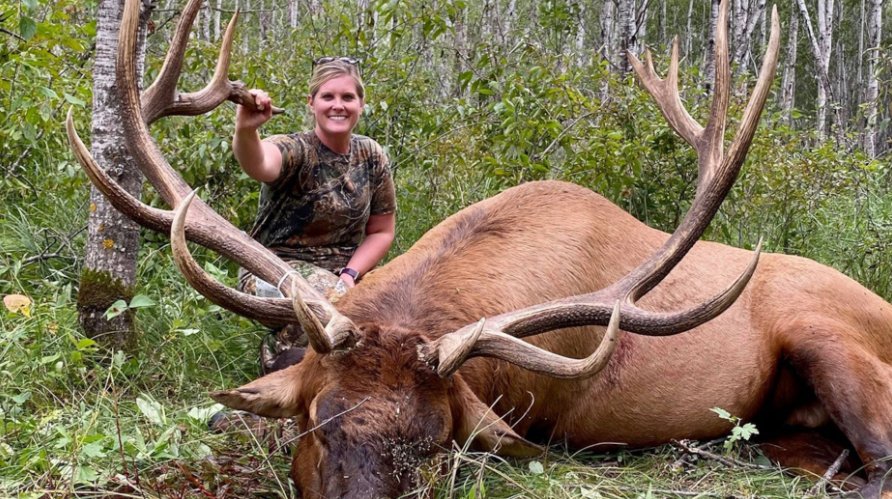
The largest big game species found in Minnesota is the moose.
Minnesota’s wilderness offers a range of impressive wildlife. When people ask, what is the largest big game species found in Minnesota, they’re usually picturing something truly massive. These animals roam across the state’s varied landscapes, from dense forests to open grasslands.
The sheer size of the largest animals makes their presence quite unforgettable. Understanding these creatures enriches any nature experience within the region. They represent a magnificent part of Minnesota’s natural heritage.

What is the Largest Big Game Species Found in Minnesota?
Minnesota is a state known for its beautiful forests, sparkling lakes, and of course, its amazing wildlife! When we talk about big game animals, we mean the larger animals that people can hunt legally. So, what’s the biggest of them all that calls Minnesota home? The answer, is the magnificent Moose! Let’s dive deep into the world of Minnesota’s largest big game animal and learn all about it. We’ll explore their size, where they live, what they eat, and other interesting facts. You might be surprised by what you learn!
Meet the Mighty Moose: Minnesota’s Giant
The moose (Alces alces) isn’t just a big animal; it’s the biggest member of the deer family in the world. These giants are truly impressive creatures, and they’re definitely the largest big game animal you’ll find in Minnesota. Forget the white-tailed deer; the moose is in a whole different weight class! When we see a moose, we are truly seeing a sight to behold. They are very tall and very heavy.
How Big is a Moose?
Let’s talk about numbers to really understand how big a moose is. When we are talking about the male moose, called a bull, they are much bigger than the females, which are called cows. Here’s a general overview:
- Height: A bull moose can stand up to 7 feet tall at the shoulder. That’s taller than most people! Imagine seeing an animal that tall standing right in front of you.
- Weight: An adult bull moose can weigh anywhere from 800 to 1600 pounds. That’s heavier than a small car! Cows are generally smaller, but still can weigh between 600 to 1,200 pounds.
- Antlers: One of the most noticeable features of the male moose is their enormous antlers. These can span up to 6 feet across, making them a true spectacle. These antlers aren’t just for show; they are used during the mating season (or rut) when bulls battle for the chance to mate with the cows.
Because of their size and weight, moose are considered the heaviest big game species in Minnesota. They are true giants in the northern forests.
Where Do Moose Live in Minnesota?
Moose love to live in the northern part of Minnesota. You can see them in places like the Superior National Forest, Voyageurs National Park, and other areas that have lots of trees, lakes, and wetlands. They need a place where they can find food, water, and protection from the weather. These areas provide all of those things. Moose also like places that are not full of people, because they can be very shy.
They like to roam around in the thick forests and swim in the lakes and rivers. These places are perfect for them to find the plants that they love to eat. The habitat that they live in is very important for the moose population in Minnesota. Here are some specific areas:
- Northeast Minnesota: This area is the heart of Minnesota’s moose territory. The forests here provide plenty of food and shelter.
- The Arrowhead Region: You’ll find many moose here, with its large tracts of wildland, lakes, and bogs.
- Border Lakes Region: Moose often swim in the lakes and rivers that form the border with Canada.
Why Northern Minnesota?
The northern part of Minnesota is perfect for moose because of its specific features:
- Dense Forests: These forests provide shade and protection from predators like wolves and bears. The forests also offer the shrubs and young trees that they like to eat.
- Abundant Water: Moose are excellent swimmers and enjoy being near lakes, ponds, and streams. The water also gives them a place to cool off in the summer.
- Wetlands and Bogs: These areas are great feeding grounds for moose. They love to eat the aquatic plants found in these places.
Because of these ideal conditions, moose thrive in the northern parts of Minnesota. That’s why the largest populations of these big game species are found in the north.
What Do Moose Eat? A Giant’s Diet
Even though they are very big, moose are herbivores, which means that they only eat plants. They have a big appetite and need to eat a lot to stay healthy and strong. What exactly do they eat? Let’s take a look:
- Leaves and Twigs: In the warmer months, moose love to munch on the leaves of trees and shrubs. They’ll reach up with their long necks and pull down branches. They are very good at getting to the tasty leaves.
- Aquatic Plants: Moose are also excellent swimmers and love to eat the plants that grow in lakes and ponds. These plants are a good source of nutrients for them. They will often submerge their heads underwater to get to these tasty meals.
- Bark: During the winter, when there isn’t as much green stuff to eat, moose will eat the bark of trees. They are not very picky and will eat what they can get.
Moose are browsers, not grazers. This means that they eat from higher up like branches instead of grass on the ground. You may see them pulling down trees or bushes to reach the best leaves. Because they eat a lot of plants, this is why they spend most of their day searching for food.
How Much Do Moose Eat?
Considering their big size, moose need to eat a lot every day. An adult moose can eat as much as 40 to 60 pounds of food in a single day! That’s like eating several large bags of groceries each day. They spend many hours each day foraging for food. Because they eat so much, they have a big impact on the forests where they live.
Moose Behavior and Habits
Moose are fascinating animals with their unique behaviors and habits. Let’s take a closer look at how they live and interact in their environment. They have their own way of doing things.
Solitary Creatures
Unlike some other members of the deer family, like white-tailed deer, moose are mostly solitary animals. This means that they prefer to live alone or in very small groups. You may see a mother moose with her calf, but other than that, you are most likely going to see only one moose. They do not travel in herds like some other animals. During the mating season, bulls come together to fight each other and attract the cows, but most of the time they keep to themselves.
Excellent Swimmers
Moose are great swimmers. They can easily cross lakes and rivers. They use their strong legs to paddle and their large bodies help them to stay afloat. They sometimes swim to find food or to escape predators. They can even swim underwater for a short time. They are very capable in the water.
The Mating Season (Rut)
The mating season, known as the rut, takes place in the fall. During this time, bull moose become more active. They use their impressive antlers to battle other bulls for the chance to mate with cows. The sound of antlers clashing can be very loud. Bulls will often rub their antlers on trees, which is a way to show other bulls that they are there. These fights can be quite impressive to see, and they are important for the moose to reproduce.
Moose and Humans
It’s important to remember that while moose are amazing animals, they are also very large and can be dangerous. It’s important to be careful and keep a safe distance. If you are driving near where they live, you should pay extra attention. It is important to remember not to feed moose or get too close, as that can lead to them being less afraid of humans, which is not good for either of us. Moose are truly magnificent, but we need to admire them from a safe distance.
Challenges Facing Minnesota’s Moose Population
Although moose are the largest big game species in Minnesota, they have faced some challenges in recent years. It is important to understand these issues and what people are doing to help. The moose population has been up and down.
Habitat Loss
As more and more areas are used for development, moose lose their natural habitats. Forests are cut down and wetlands are drained, which means there is less place for the moose to live and eat. This is a big problem for moose. When the forests are disturbed, they are not as good for the moose.
Climate Change
Climate change is causing temperatures to rise. This can be a problem for moose because they are very well adapted to colder weather. Warmer temperatures can cause them to overheat. Warmer weather also can increase ticks and other parasites. This can affect the health of the moose, because these parasites can make the moose weak.
Disease and Parasites
Moose are vulnerable to different diseases and parasites. Brain worm, which is a parasite that affects the brain, can cause problems for them. Ticks can also cause moose to get very sick. Scientists and wildlife experts study these issues to try to find ways to help the moose population.
Predation
While moose are very large, young moose (calves) can be hunted by predators like wolves and bears. These predators can have an impact on the population of moose in some areas. When they are young, they are more vulnerable than the adults.
Conservation Efforts
There are people working hard to protect the moose population. These conservation efforts are very important to make sure that these magnificent animals continue to live in Minnesota. Here are a few examples:
- Research and Monitoring: Scientists keep track of the moose population and study their health and habits. They use GPS collars to follow moose and learn more about where they go and how they live.
- Habitat Protection: Efforts are made to protect and preserve the forests and wetlands where moose live. When we protect their habitat, we are helping the moose.
- Disease Management: Researchers work to find ways to reduce the impact of diseases and parasites on moose populations. They want to keep them healthy.
- Public Education: Programs are made to teach people about moose and why they are important. The more people know, the more they will care.
These conservation efforts show how important it is to protect these important animals. Everyone can help in some way, such as learning more and respecting wildlife.
The moose stands as a symbol of the wild and natural beauty of Minnesota. It is truly a sight to behold when you see one of these giant creatures in the wild. While they face some challenges, with care and conservation, they can continue to live in our beautiful northern forests for many years to come. The magnificent moose remains the largest big game species in Minnesota, a true wonder of the North.
We Took a $200,000 Camera Bowhunting in Uganda! #shorts #slowmotion #slomo #archery #bowmar
Final Thoughts
The moose is the largest big game species found in Minnesota. They are impressive animals and a true symbol of the northern woods. These majestic creatures often weigh over 1,000 pounds.
Their size and habitat make moose a key part of Minnesota’s ecosystem. The question “what is the largest big game species found in Minnesota?” is easily answered by identifying the moose. They are truly giants of the region.

