
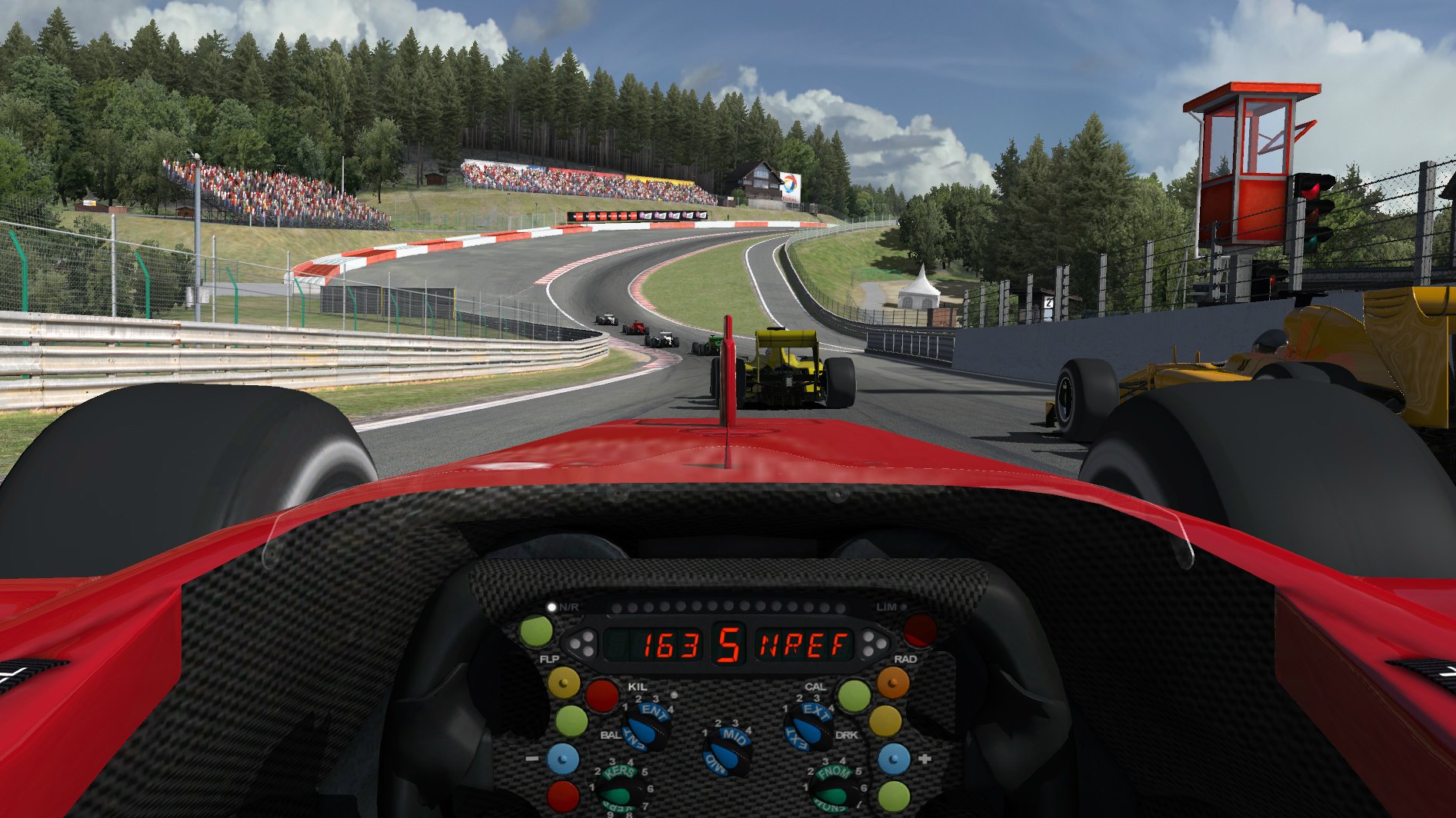
For many, Assetto Corsa with its focus on physics and realistic car handling represents what is the most realistic driving game.
Picking the right driving game can feel like navigating a crowded highway. Some offer arcade thrills, while others aim for pure simulation. The question “what is the most realistic driving game” often pops up among gamers seeking authentic driving experiences. This pursuit of realism means the smallest details, like the way tires grip the road, become paramount.

What is the Most Realistic Driving Game?
Figuring out the most realistic driving game is like trying to find the best flavor of ice cream – everyone has their favorite, and there are lots of things to think about! When we say “realistic,” we’re not just talking about how pretty the cars look. We’re also talking about how the cars feel to drive, how the world around you reacts, and even how much the game makes you think like a real driver. It’s more than just graphics; it’s about the whole experience. Let’s take a deep dive into the key ingredients that make a driving game feel truly real.
The Key to Realism: Physics and Handling
One of the biggest things that makes a driving game feel real is how the cars handle. This is all about the physics engine, the set of rules the game uses to make cars move. A good physics engine will take into account things like:
- Weight: A big truck will handle very differently from a small sports car.
- Grip: How much your tires are sticking to the road, which changes with the surface (like wet or dry asphalt).
- Suspension: How the car’s springs and shocks react to bumps.
- Aerodynamics: How the air flowing around the car affects its speed and stability.
If a game does these things well, you’ll feel a real difference between different cars. You’ll feel the weight transfer when you brake hard or turn a corner, just like in a real car. It’s about more than just spinning the wheels. It’s about feeling the car react to every input you give it. This is where many games differ. Some might focus more on fun, arcade-like handling, whereas the most realistic games try to mimic real-world physics as closely as possible.
Simulating Car Components
Beyond the basic physics, some games go even deeper by simulating individual car components like the engine, transmission, and tires. For example:
- Engine Simulation: This includes things like engine torque curves, which dictates how much power the car has at different engine speeds. A game with this feature might accurately portray how a turbocharged car gets a sudden boost in power at a certain point.
- Transmission Simulation: This involves how the gears work and how power is transferred to the wheels. A manual transmission simulation, if done right, would accurately convey the need to use the clutch and gear lever.
- Tire Simulation: A realistic tire simulation will showcase how tire temperature, wear, and pressure can influence the grip and overall handling of the vehicle. This means tires will lose grip as they get hotter, and worn tires won’t perform as well as new ones.
These more in-depth simulations definitely add to the overall realistic feeling. They’re not always necessary for a fun experience, but they are important to those looking for true-to-life driving.
The World Around You: Environment and Immersion
A game’s realism isn’t only about the car; it’s also about the world you drive in. A realistic world contributes significantly to the overall immersion.
Detailed Tracks and Roads
Realistic tracks and roads are a key part of the puzzle. The most immersive games meticulously recreate real-world circuits, including every bump, curb, and corner. They also do a good job with public roads, adding realistic variations in elevation, road surfaces, and width. This means no two drives should ever feel exactly the same, even on the same road. The more detail that goes into the environment, the more believable the world feels.
Dynamic Weather Systems
Changing weather can dramatically affect how a car feels. Rain can make the road slippery, wind can affect the car’s aerodynamics, and even temperature changes can influence tire grip. A game with dynamic weather simulates these effects, adding another layer of realism and forcing you to adapt your driving style to the changing conditions. For example, you might need to brake earlier in the rain than on a dry day. This kind of reactive environment makes the game feel much more alive and genuine.
AI Traffic and Pedestrians
If a game is set in a city or on public roads, the behavior of the AI traffic and pedestrians can really make or break the feeling of realism. Real traffic shouldn’t always be predictable. Drivers might make mistakes, change lanes unexpectedly, and stop for unexpected things. Similarly, pedestrians shouldn’t just walk in straight lines. Realistic pedestrian behavior adds to the overall feel of a living world.
Beyond the Driving: The Simulator Experience
Beyond the core driving mechanics and the environment, other factors contribute to the feeling of realism in a driving game. These often focus on making the game feel like a complete simulation, not just a simple arcade-style race.
Advanced Driving Aids
Realistic driving games often include advanced driving aids you’d find in real cars. These may include:
- Anti-lock Braking System (ABS): Prevents your wheels from locking up when you brake hard.
- Traction Control System (TCS): Limits wheelspin when accelerating to help maintain control.
- Electronic Stability Control (ESC): Helps prevent skids and loss of control.
The most realistic games will allow you to customize how these aids work, or even turn them off completely, letting you fully experience the raw driving dynamics of a car.
Customization and Tuning
Being able to modify and tune your car plays a big role in the simulation. This could involve:
- Engine upgrades: Different engine components can alter performance.
- Suspension adjustments: Fine-tuning settings like springs and dampers can dramatically change how a car handles.
- Aerodynamic tweaks: Making modifications to spoilers and wings to improve downforce.
- Gear Ratio Adjustments: Changing the gearing to impact acceleration and top speed.
Being able to experiment with different modifications to improve performance is a major part of the car enthusiast experience, and some games do a particularly good job of replicating this experience.
Damage Modeling
Realistic damage modeling adds a significant touch of realism. When you crash, cars should get damaged. Different types of damage, like dents, broken panels, and even engine failure, should impact how the car performs. The more realistic the damage model is, the more impact a crash has on your gameplay. If your tires are damaged, they might make the car harder to control. If you engine is damaged, your car won’t go as fast. These details are important for a high level of realism.
The Contenders: Games with a Focus on Realism
Now that we’ve covered all the ingredients of a realistic driving game, let’s look at some titles that are often cited as leaders in this category.
Assetto Corsa
Assetto Corsa is known for its focus on realistic physics and handling. It offers a very in-depth driving simulation. Many gamers love it for how closely it mimics the experience of driving real race cars. It includes a wide variety of vehicles to drive, from road cars to high-end race cars. The game also has a very active modding community, which adds a lot of different cars and tracks to the experience.
iRacing
iRacing is a subscription-based simulator that focuses mainly on competitive online racing. It is often considered to be one of the most realistic driving simulations available. iRacing’s intense focus on accuracy means the physics are very precise and the vehicles react very closely to how they would behave in the real world. It’s known for the intense level of competition online, requiring a commitment from players who want to achieve the most out of the simulation.
rFactor 2
rFactor 2 is also known for its focus on simulation, particularly in areas like tire physics and dynamic weather. The game provides a deep simulation with very realistic car behavior, taking into account things like tire wear and environmental conditions. It’s very popular for use in serious racing esports competitions. The community also plays an important role in adding a variety of vehicles and tracks to the game.
Gran Turismo Series
The Gran Turismo series is a long-running franchise with a focus on both realism and accessibility. The developers have historically focused on providing high quality graphics and handling, making each game in the series feel immersive. The game series contains a wide array of cars, from everyday road cars to high performance race cars. It has a history of aiming for a balance between realism and casual play.
Forza Motorsport Series
The Forza Motorsport games also strive for a mix of simulation and accessibility. This series offers a wide range of cars to collect and drive. The developers often bring high-end graphics and sounds. The games usually include a large number of tracks, offering something for many different players. Forza games often do a good job of balancing the need for simulation with the fun of video games.
Finding Your Perfect Level of Realism
The “most realistic” driving game really depends on what you’re looking for. Some players might prefer the raw physics and simulation of a game like Assetto Corsa or iRacing. Others might appreciate the accessibility and balance of titles like Gran Turismo or Forza Motorsport. The best thing to do is to try out a few different games and decide which one feels the most realistic to you. Ultimately, it’s about finding a game that engages you and provides the driving experience you’re searching for.
It’s also important to remember that the experience can change based on your equipment. A game can feel much more realistic when using a proper racing wheel, pedals, and even a shifter, instead of just a gamepad. The level of dedication you give to the simulation will also effect how realistic it feels.
So, while there isn’t one single answer for what the most realistic driving game is, there are clearly some titles that strive for a more authentic experience than others. By considering all of the different factors like physics, environment, and level of simulation, you can find a game that really lets you get behind the wheel in a virtual, but incredibly genuine way.
TOP 10 Ultra Realistic Car Driving Simulation Games
Final Thoughts
Ultimately, Assetto Corsa Competizione often gets the nod for its accurate physics engine and tire models. This gives the feeling of real car handling.
Many argue iRacing offers a high fidelity experience, emphasizing online racing and penalties. However, the subscription model can be a barrier.
So, when considering what is the most realistic driving game, both offer strong claims. The main differentiator is accessibility and focus, but both deliver great realistic driving experience.

