
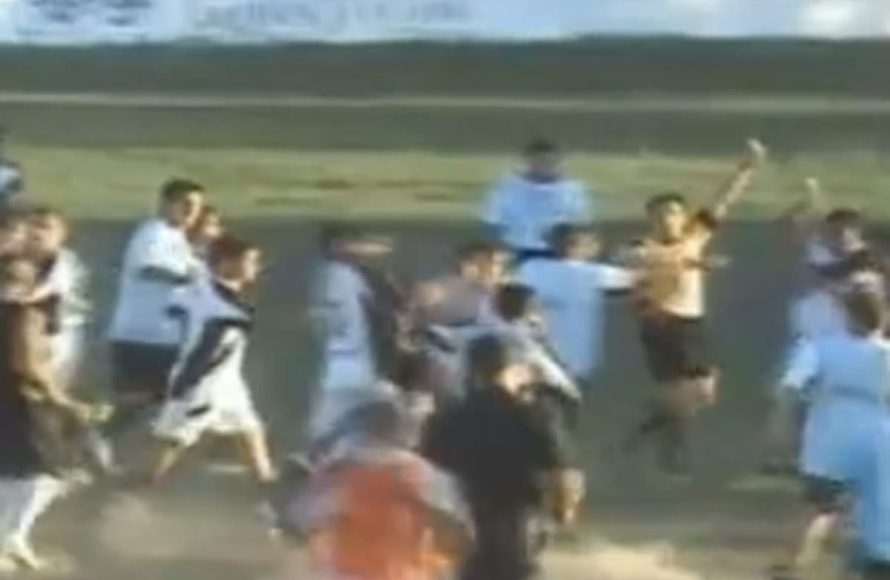
The most red cards in one game is 36, achieved in a match between Claypole and Victoriano Arenas in Argentina.
Have you ever witnessed a football match descend into absolute chaos? Imagine a game so intense it results in an astonishing number of dismissals. This makes one ponder, what is the most red cards in one game? It’s a question that leads us down a rabbit hole of unbelievable sportsmanship failures.
The sheer number of ejections can seem almost surreal. It’s certainly something that goes beyond usual fiery games. These kind of matches are definitely etched into the annals of football history.

What is the Most Red Cards in One Game?
Okay, let’s dive deep into the wild world of soccer (or football, depending on where you are!). We’re talking about red cards today – those dreaded moments when a player gets kicked out of the game. But what happens when things get really out of hand? What’s the record for the most red cards in a single match? It’s a question that sparks curiosity and conjures images of chaotic scenes on the pitch. We’re not just going to skim the surface; we’ll explore the circumstances that lead to these mass dismissals and look at some of the notorious games that made history for all the wrong reasons. So buckle up, because it’s going to be a bumpy ride!
The Basics of Red Cards in Soccer
Before we jump into record-breaking numbers, let’s make sure we’re on the same page about red cards. In soccer, a red card means a player has committed a serious foul or infraction and must leave the field immediately. The team they were playing for also has to continue with one less player, putting them at a distinct disadvantage. It’s not just about kicking someone hard; it’s about violating the rules in a severe way. A player receives a red card because of:
- Serious foul play (like a dangerous tackle).
- Violent conduct (like punching or kicking an opponent).
- Spitting at someone.
- Denying an obvious goal-scoring opportunity with a foul (like a handball on the goal line).
- Using offensive, insulting, or abusive language toward an opponent, teammate or match official.
- Receiving two yellow cards in the same match (automatic red card).
A red card is a big deal in a match. It not only changes the balance of the game but also can lead to suspensions for future games. Referees have the responsibility to maintain fair play, and red cards are one way they enforce the rules when things get out of control.
The Hunt for the Record: Games with a High Number of Red Cards
Now for the exciting part: the record books. While it’s difficult to get an exact, universally agreed-upon record due to variations in record-keeping across different leagues and regions, we can look at some games that stand out for their extraordinary number of red cards.
The Infamous Battle of Buenos Aires
One of the most cited and extreme examples of red card chaos is a match from Argentina in 2011. It involved a fifth-tier match between Claypole and Victoriano Arenas. In a bizarre and completely out-of-control match, the referee issued a staggering 36 red cards! Yes, you read that correctly. How did this even happen? Well, after a mass brawl broke out between players and coaches, the referee decided that enough was enough. He sent off all 22 players on the field, plus a further 14 substitutes and coaches. This game is a prime example of how a football match can completely descend into chaos and highlights just how bad things can get on the field. Think about it – the referee barely had any players left to watch!
A Look at Other Matches with Multiple Red Cards
While the Argentine match holds the record for the most red cards issued at a single match, many other games have had surprisingly high numbers. Here are a few examples where things got pretty heated:
- A Game in Paraguay: In 2018, a match in Paraguay saw 12 red cards handed out. The reason? A massive fight broke out after a bad tackle. This showed how even a single moment can escalate quickly.
- Games in Italy: Italian leagues sometimes witness multiple red cards, not always due to violence. Occasionally, it is because of numerous tactical fouls or dissent from players frustrated by their performance or referee decisions.
- Local Derbies: Matches between rival teams in a region sometimes see a high number of red cards. The extra emotions and tension make it more likely that tempers will flare.
These situations show that it isn’t just about one bad incident, several things can lead to a high count of red cards in a single match. Some of these factors are discussed below.
Factors That Lead to Many Red Cards
It’s rare to see games with a large number of red cards, and here are some of the common things that make it happen:
- Intense Rivalry: When two teams have a history of bad blood, or when it’s a local derby, players’ emotions are heightened. This can lead to more aggression and reckless play. The passion of the game can sometimes be a little too much!
- Poor Refereeing: Sometimes, the referee might lose control of the game. This can happen if they don’t call enough fouls early on or they make calls that are seen as biased. This can lead to players feeling like they have to take matters into their own hands.
- Poor Player Discipline: Sometimes, players simply lose their cool. They might make bad tackles, argue with the referee, or get into fights. These things almost always lead to red cards.
- High Stakes Games: When a game has a lot riding on it, players might feel more pressure. This can lead to some risky play, which sometimes results in cards of different kinds.
Understanding these contributing factors can help us understand why some games turn into a card-fest!
The Impact of Red Cards on the Game
So, what happens when a team has a player sent off? Here’s how it affects the match:
Tactical Changes
When a player gets a red card, the team has to play with one less player. This is a significant disadvantage. The coach has to make changes to their strategy. They might take out an attacking player to bring in a more defensive one to protect their lead. This shift in tactics is critical to the team’s ability to manage the rest of the game. The coach has to adapt very quickly.
The Advantage to the Opponent
The team with the extra player has a huge advantage. They have more space on the field and can find more opportunities to score. It becomes much harder for the team with the red card to keep possession of the ball and attack the goal. The opposing team will often try to take advantage of their player superiority. They will try to keep the ball and make the other team tired.
The Psychological Effect
A red card can have a big impact on the players’ morale. The team that lost a player might become demoralized, and the team with the extra player can gain confidence. The whole atmosphere of the match can change after a red card, with the team having a player sent off often struggling to keep focus. The psychological pressure can make it even more difficult for the team with ten players to recover.
The Importance of Fair Play
Ultimately, red cards are there to make sure the game is played fairly and safely. When they happen, it’s usually because players have acted against the rules. This helps keep things in order and protects everyone. Even though it can be exciting to see a game with many red cards, it’s not the kind of action we want to see all the time. Fair play is essential for a good game of football.
Can a Game Have More Than 22 Red Cards?
You might be wondering: if 22 players are on the field at the start, how can a match have more than 22 red cards? Well, there are a few ways this can happen. The most common way is through the dismissal of substitutes and coaching staff. Here’s how it breaks down:
- Substitutes: In modern soccer, teams have substitutes on the bench ready to come on the field. If substitutes on the bench are involved in violent conduct or a mass brawl, the referee can issue red cards to them even though they were not in the game yet.
- Coaches and Team Staff: The coach and staff on the sidelines are also bound by the rules of the game. If they are involved in a heated argument or behave badly, the referee can give them red cards as well.
- Red Cards After the Final Whistle: A very rare occurrence is when a player receives a red card after the match finishes, but before leaving the pitch. This does not affect the result of the match but the suspension of the player in future games.
The infamous match in Argentina, as we mentioned before, showed us exactly how quickly substitutes and coaches can join the red card parade.
Why Should We Care About This?
You might think this whole topic is just about crazy events, but it’s more than that. Understanding how red cards work, and how easily things can get out of hand, reminds us of the importance of:
- Sportsmanship: It’s essential that players and coaches behave with respect for the game, the referees, and each other.
- Following Rules: The rules are there for a reason. Without them, the game would not work. It’s important that everyone sticks to them.
- Keeping Calm: Even when the game gets tough, it’s vital for players to stay focused and in control of their emotions.
By paying attention to these values, we can appreciate the drama of soccer without the excessive use of red cards.
So, while the record for the most red cards in a single game might seem bizarre, it teaches us valuable lessons about discipline, respect, and the power of emotions in sports. It shows us that although soccer can be a very exciting and passionate game, it also has to be controlled and fair.
36 RED Cards in One Game?! 🔴🤯
Final Thoughts
The record for most red cards in a single professional football match stands at 36. This incredible number occurred in a 2011 match in Argentina. A brawl triggered many of these ejections.
The players, coaches, and even some substitutes received red cards during that chaotic match. This game clearly shows how quickly things can escalate. The extreme case provides answer to what is the most red cards in one game.

