
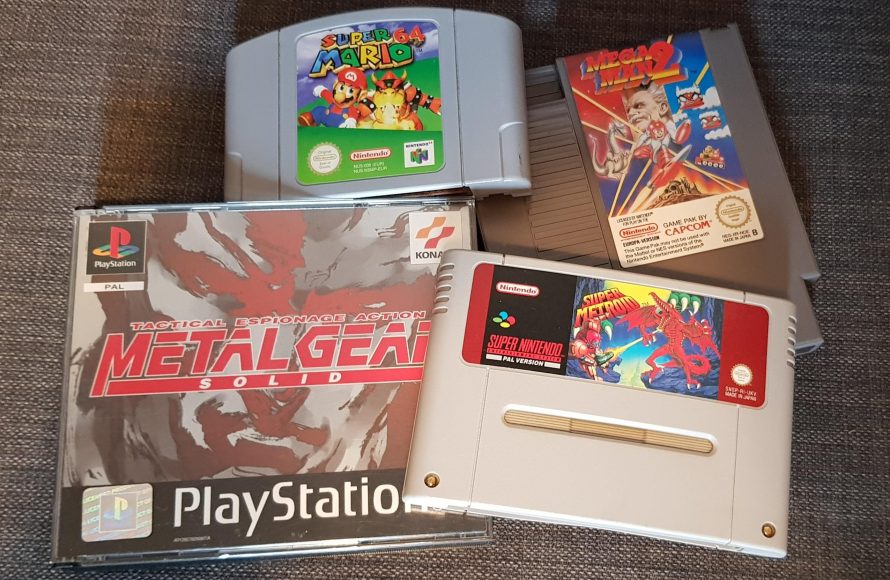
The PAL version of a game is a regional variant primarily for Europe, Australia, and parts of Asia, which uses a 50Hz refresh rate and different display standards than NTSC.
Ever wondered about regional differences in video games? You might have come across mentions of PAL and NTSC. Specifically, what is the PAL version of a game? It refers to a format designed for different television standards.
These versions aren’t just about geographical locations. They directly impact your gaming experience. Things like refresh rate and display resolution change. They can even affect game speed.

What is the PAL Version of a Game?
Ever heard someone talking about a “PAL version” of a game and wondered what that meant? It’s not about some special game mode or secret level! It’s actually about the region where the game was originally designed to be played. Just like there are different kinds of plugs for electrical devices in different countries, there are different video game formats for different regions too. Let’s explore what makes the PAL version unique.
Understanding Television Standards
To understand PAL, we first need to talk about television standards. When televisions were first created, different parts of the world adopted different ways of displaying pictures on the screen. Two of the main systems were NTSC and PAL.
NTSC: The North American Standard
NTSC stands for National Television System Committee. It’s the television standard used mainly in North America, parts of South America, and some parts of Asia. NTSC displays pictures at a rate of about 60 times per second, which is called 60Hz or 60 frames per second. This rapid display rate gives the images a smooth, flowing look.
PAL: The European and Australian Standard
PAL, on the other hand, stands for Phase Alternating Line. It is used in most of Europe, Australia, parts of Africa, and some parts of Asia. PAL displays pictures at a rate of about 50 times per second, which is 50Hz. While the refresh rate is slower than NTSC, PAL often has a higher resolution, making the image appear a little bit sharper.
The Connection to Video Games
These different television standards weren’t just about TVs. They directly affected how video games were made. Because the refresh rate is a crucial element in how video games display their content on screen, developers needed to create game versions that matched the specific standard used in different regions. That’s why we have PAL versions and NTSC versions of the same games.
What Makes a PAL Game Different?
When a game is developed for the PAL region, several things may be altered to accommodate the 50Hz refresh rate. These adaptations aren’t simply about changing the numbers on a screen; they can affect how the game feels and plays.
Refresh Rate Differences
The most obvious difference between a PAL and NTSC game is the refresh rate. PAL games run at 50Hz, while NTSC games run at 60Hz. This speed difference may have a few impacts:
- Slightly slower gameplay: Since the game is showing fewer frames per second, gameplay can feel a bit slower on PAL consoles. Sometimes, the developers may compensate by making the game run faster internally, but that isn’t always the case.
- Small Pitch Differences: sometimes in audio may have subtle variations because of the 50Hz refresh rate.
Display Resolution
PAL games can sometimes have a higher vertical resolution compared to NTSC games. This means that the PAL version might show more detail on the top and bottom of the screen. On old television sets, you can see some black bars around the screen edges, they are because the picture format didn’t fully fill the screen area, but, on modern TV, this isn’t the case anymore.
Game Speed Adjustments
To make the PAL version feel less sluggish due to the slower refresh rate, some game developers try to make the gameplay faster than the NTSC version by increasing the speed of character movement and in-game actions. But, this is not always the case, so, sometimes PAL games can feel a bit slower, or more difficult.
Localization Changes
It’s important to understand that PAL versions aren’t just about the speed, or display resolution; they’re also regionalized! This means they may have a different language, and may even contain localized cultural references.
Region Locking and Why It Matters
One big thing to remember is that many older consoles and some newer ones are region locked. This means that if you have a PAL console, it will only play PAL games, and similarly for the NTSC console, only NTSC games can be played on it. This measure was put in place by console manufacturers for a few reasons:
- Control over distribution: Region locking lets companies decide where they can sell their games, allowing them to manage marketing and licensing across different regions.
- Prevent parallel imports: These are the games that were not officially intended to sell in a certain region.
- Pricing differences: Because of price differences across different regions, and different standards, it can make it difficult to purchase games and use it.
However, region locking can sometimes be annoying for gamers who import games from other countries. Sometimes, there are ways to bypass these locks by using special hardware or software. However, such methods can be complicated and may even damage the console.
The Transition to Region-Free Gaming
As time went on, and with the evolution of new gaming consoles, and the development of newer technologies, the issue of region locking started to gradually fade away. In today’s gaming world, most consoles are either region-free, or have region locking that is quite easier to navigate around, especially in the case of modern games on modern consoles. This has made it easier for gamers to play games from anywhere in the world.
Is PAL or NTSC Better?
There’s no simple “better” between PAL and NTSC, because both have their advantages, and disadvantages. It depends on your preference and what kind of screen you use.
PAL Advantages:
- Higher Resolution: Sometimes, PAL versions might have a slightly higher vertical resolution, providing more screen space.
NTSC Advantages:
- Smoother Gameplay: The 60Hz refresh rate provides a slightly smoother experience, making the gameplay faster.
Ultimately, the “best” option depends on what you prefer. If you’re used to one system, switching to the other might feel odd, initially.
Playing PAL Games Today
If you’re interested in experiencing games from different regions, you might be wondering about playing PAL games today. Here are some things you can do:
Modern Consoles
Many modern consoles are region-free, so you can play games from any region without any issues. Just make sure that the console is region-free, before purchasing a game from a different region.
Emulators
Emulators are programs that mimic the hardware of older consoles. You can use them to play games from various regions on your computer, or smartphone. It is a great option to experience different games from different regions, without using the older consoles. Just remember, you’ll need to find game files which, under the right circumstances, might have some legal concerns.
Retro Gaming
If you enjoy using older consoles, you might need to get both a PAL and NTSC console, alongside the games that correspond to their regions. If you want to buy games from different regions, you might need an old TV that can process different signals and refresh rates.
Key Takeaways about PAL Games
Let’s recap the main ideas we covered:
- Television Standards: PAL and NTSC are different television standards, mostly used in different parts of the world.
- Refresh Rate: PAL games usually run at 50Hz, while NTSC games run at 60Hz.
- Speed Differences: PAL games may appear a bit slower, but, this is not always the case.
- Region Locking: Older consoles were region-locked, preventing the playing of games from other regions. Modern consoles have reduced region locking issues.
- Localization: PAL versions may contain content specific to the region.
So, next time you hear someone mention a PAL game, you’ll understand that it is a version of the game designed for the PAL television standard region. Each version has its little differences that make every single game a unique experience.
Understanding these little differences, helps us better appreciate the work that went into creating all kinds of video games, from various regions across the globe. Happy Gaming!
PAL vs NTSC Gaming
Final Thoughts
In essence, the PAL version of a game refers to a specific television standard used in many European countries. This standard impacts the game’s refresh rate and display format. Games released for PAL regions differ slightly from NTSC versions.
Therefore, what is the pal version of a game is essentially about its compatibility. This difference means PAL games might run at a different speed or resolution compared to their NTSC counterparts.

