
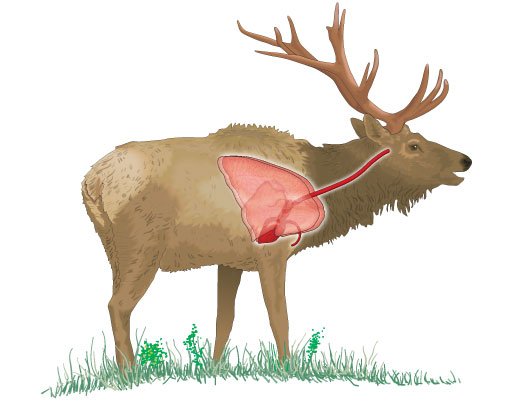
The preferred rifle shot for larger game animals is typically a broadside shot aimed at the vital chest area, targeting the heart and lungs.
A successful hunt hinges on ethical practices, and shot placement stands paramount. This leads many to wonder, what is the preferred rifle shot for larger game animals? Making an effective shot ensures a quick and humane harvest, respecting the animal you are pursuing. It also promotes safety for you and other hunters in the area.
Choosing the correct shot avoids unnecessary suffering and increases the chances of a clean kill. Understanding vital zones and proper shot placement is key to ethical hunting. Knowing how to make the most effective shot makes the experience better for all.

What is the Preferred Rifle Shot for Larger Game Animals?
When hunting big game animals like deer, elk, or moose, choosing the right shot placement is super important. It’s not just about hitting the animal; it’s about making a clean, quick kill. This means understanding where the vital organs are and aiming for the spot that will cause the most immediate damage. A poorly placed shot can lead to a wounded animal, which is not only inhumane but also makes tracking difficult. Let’s dive into the best ways to make sure that you are making an ethical shot every time.
Understanding Anatomy: The Key to Ethical Shots
Before we talk about specific shot placements, let’s talk about the animal’s body. Knowing what’s inside and where it is located is very important. We need to know where the heart, lungs, and major blood vessels are located. These are the vital areas that are very important to get a quick kill. Here’s a quick guide:
- Heart and Lungs: These are located in the chest cavity, behind the front legs. They are big, important organs, and a shot here can bring an animal down quickly.
- Spine: The spine runs along the back and is where the spinal cord is located. A hit here can cause paralysis.
- Brain: The brain is located inside the head and is a much smaller target, this needs lots of practice.
- Shoulder: The shoulder blade is a large, strong bone. It’s not a vital area, but it can slow an animal down. Avoid targeting it unless you need to stop an animal from running.
- Gut: The gut is in the stomach area. Shots here are bad because they cause a long and painful death, and animals can travel a long way before falling. We must try to avoid hitting the gut at all costs.
Understanding this basic anatomy will make a big difference when you aim for a shot.
The Broadside Chest Shot: The Gold Standard
The broadside shot is often called the “gold standard” of hunting. It’s when the animal is standing sideways, offering a full view of its chest area. This position gives you the most open and unobstructed target for the vital organs. Here’s why it is so effective:
- Large Target Area: The heart and lungs are large targets when viewed from the side. You have lots of space to hit these vital organs.
- Less Bone Obstruction: There are not many bones in the way of the heart and lungs when taking this shot, increasing the chance of an effective kill.
- High Success Rate: When executed correctly, this shot almost always results in a quick and ethical kill.
How to Aim for a Broadside Shot
When the animal presents a broadside shot, your aim is to hit the center of the chest cavity. Here’s a way to visualize it:
- Imagine a line running from the base of the front leg upwards.
- Imagine another line going horizontally from the middle of the animal’s body.
- The spot where these two lines cross is where you should be aiming.
This area is behind the front shoulder and above the line of the front leg. A bullet placed here will pass through the lungs and potentially the heart.
What if the Animal is Angled Slightly?
If the animal is slightly angled away from you, your point of aim will need to shift forward. When the animal is angled, your bullet needs to travel through more of the animal’s body. So, your aim point should be more forward on the body, in the same line as the leg. You must aim for a point in the center of the chest, but further forward. This will still hit vital organs even though the animal is at an angle.
The Quartering Away Shot: Another Good Option
A quartering-away shot happens when the animal is angled away from you, with its hindquarters closer than its front. This shot can be great if the animal isn’t offering a direct broadside shot. Here’s why:
- Good Penetration: A bullet traveling from the rear through the animal’s body can have good penetration to reach the vital organs.
- Vital Organs in Range: Even though the animal is not fully broadside, the lungs and heart are still within reach.
- Ethical Kill Potential: A well-placed quartering-away shot can be as effective as a broadside shot.
How to Aim for a Quartering Away Shot
Aiming for a quartering away shot requires a bit more attention. The goal is still to hit the heart and lungs, but you’ll need to adjust your aim accordingly.
- Imagine the Bullet Path: Picture the bullet going into the animal and passing through the chest.
- Aim for the Opposite Shoulder: Try to visualize the bullet coming out of the opposite shoulder.
- Adjust for the Angle: The more angled the animal is, the more your aim point will be forward on the body, not behind it.
Remember, with a quartering-away shot, you will be shooting through a larger portion of the animal’s body, so it’s best to have a bullet that is able to retain its weight when traveling through bone and muscle. It is not a good idea to take a quartering-away shot on a very large animal with a smaller caliber rifle.
Shots to Avoid: Unethical and Dangerous Options
While we’ve talked about the best shot placements, it’s also very important to know the shots that are unethical and should be avoided at all times. These shots often result in the animal suffering and makes for a difficult track job. Here are some shots to avoid:
- Headshots: While a brain shot can be effective, the brain is a very small target. Unless you are a very skilled marksman, headshots are not an ethical choice. Headshots can easily wound an animal and should only be taken in very specific circumstances.
- Spine Shots: A shot directly into the spine can paralyze an animal, but if it does not hit the spinal cord directly it can leave the animal wounded, but able to move. This shot is hard to get and is not the preferred target.
- Gut Shots: The gut is located in the abdominal area of the animal. This shot often results in a very slow and painful death for the animal. The animal can travel a very long distance and make tracking a nightmare. This shot should be avoided at all costs.
- Frontal Shots: This shot is very difficult to execute because of the many bones in front of the heart and lungs. A shot in the front can easily glance off the bones and wound the animal. Avoid shooting an animal in the front, always wait for a better shot.
The Importance of Shot Placement: Beyond the Kill
Shot placement is not just about the kill; it’s about responsible hunting. Here’s why focusing on shot placement matters:
- Ethical Hunting: Making a clean kill is the most humane thing you can do. A quick and painless death is a very important goal of every hunter.
- Meat Quality: Proper shot placement, especially in the chest, preserves most of the meat. Gut shots can cause damage to the meat through contamination from the gut.
- Tracking: When you hit the vital organs, the animal typically falls much faster, and the track job will be short and easy. A wounded animal can run for miles, making tracking very difficult.
- Respect for the Animal: When you take a shot, you must respect the animal. The shot you take must reflect your respect for the animal’s life.
Factors that Affect Shot Placement
Several factors can impact where your bullet will land. Understanding these factors will help you become a better and more ethical shooter.
- Distance: The farther away the animal is, the more difficult it becomes to hit the right spot. Practice shooting at different ranges.
- Shooting Angle: The angle the animal is standing at will change your point of aim. Be sure to be familiar with how the angle will affect your shot.
- Rifle Accuracy: Make sure you are familiar with how your rifle shoots at different ranges. Practice with your rifle before hunting, so that you are confident in your shot.
- Bullet Performance: Bullet performance is just as important as your accuracy. Make sure your bullets are able to do the job.
- Your Skill Level: Your skill will have an affect on the outcome of the hunt. Practice makes perfect, and it’s very important to practice before hunting.
- Your Condition: Your physical and mental condition will have a large effect on your outcome. If you are tired, stressed, or not feeling well, you will not be at your best. You will make better shots when you are in good condition.
Practice Makes Perfect
All of the skills required to take a good shot come from practice. There is no substitute for practice. Practice shooting with your rifle at different ranges and angles. By practicing a variety of shooting situations, you will be able to be ready for anything that comes your way.
The Role of Bullet Choice
The right bullet can be the difference between a clean kill and a wounded animal. When choosing a bullet for large game animals, it’s important to consider:
- Bullet Weight: Choose a bullet weight that matches the game and your rifle. The bullet needs to be able to penetrate to the vital organs.
- Bullet Construction: Bullets are designed for different types of jobs. Some are designed for penetration, and some are designed for expansion, or both.
- Caliber: The caliber of the rifle also matters. Larger game animals require a larger caliber that can deliver the necessary amount of energy to the target.
Research is key, so that you are able to make the correct decisions about the caliber of rifle and type of bullet you will need for your hunt. Ask the experts about your choices, and practice with the load you choose.
Final Thoughts on Shot Placement
Choosing the right shot placement for big game animals is not a simple task. It involves a solid understanding of animal anatomy, a steady hand, and lots of practice. The broadside chest shot and the quartering-away shot are very ethical choices when they are taken properly. Always avoid taking head, spine, or gut shots unless you are very confident in your ability to place the bullet correctly. By focusing on ethical shot placement, you are not only ensuring a quick kill, you are showing respect for the animals that you hunt. Take your time and make every shot count, because your decisions will have a great impact on your hunting success. If you do not have a good shot, then do not take it.
Top 3 Rifle Calibers for Alaskan Hunting
Final Thoughts
The most effective shot placement targets the vital organs. This usually means aiming for the chest area, where the heart and lungs reside. A well-placed shot here minimizes suffering and ensures a quick, ethical harvest.
Proper shot placement is crucial for larger game. A clean kill is the ultimate goal. Understanding anatomy greatly contributes to this.
Therefore, what is the preferred rifle shot for larger game animals? It is the broadside chest shot for maximum effectiveness. This shot delivers fatal damage and is usually the most humane.

