
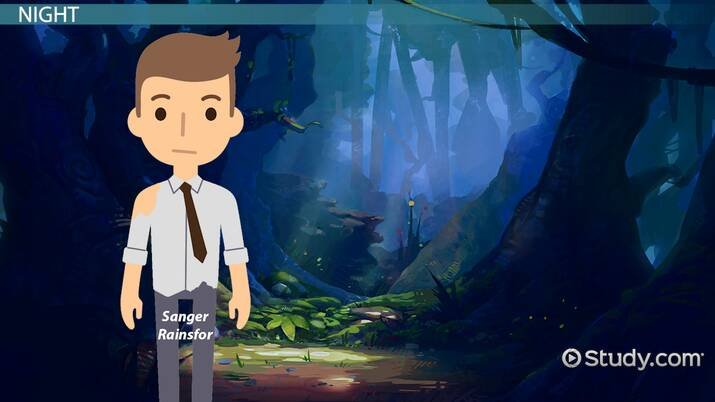
The setting of the most dangerous game is a remote, privately owned island in the Caribbean, specifically Ship-Trap Island, where a wealthy and eccentric hunter resides.
Ever wondered about the eerie backdrop to Richard Connell’s thrilling short story? If you’re asking, “what is the setting of the most dangerous game,” you’ve come to the right place. We’re diving into the mysterious locale that fuels this classic tale of hunter and hunted.
The story unfolds on Ship-Trap Island, a place shrouded in mist and infamy. This secluded island, owned by the enigmatic General Zaroff, creates the perfect isolated stage for a deadly game.

What is the Setting of The Most Dangerous Game?
Have you ever wondered where all the exciting action takes place in “The Most Dangerous Game”? It’s not just some ordinary place. The story’s setting plays a huge part in creating the suspense and danger that makes it so thrilling. Let’s dive deep into the creepy island and the isolated mansion where the hunter becomes the hunted!
Ship-Trap Island: A Place of Mystery and Peril
The primary setting for “The Most Dangerous Game” is a fictional island in the Caribbean, ominously named Ship-Trap Island. This isn’t your typical tropical paradise. It’s a place of darkness and foreboding, known for causing shipwrecks. Imagine a place where the ocean currents are treacherous and the jagged rocks jut out from the water, waiting to tear apart any vessel that gets too close. This sets the stage for the story’s central conflict: survival.
The Island’s Geography
Ship-Trap Island isn’t just dangerous because of its location; its physical characteristics make it even more unsettling. Here’s what contributes to its eerie nature:
- Dense Jungle: The island is covered in a thick, tangled jungle. Imagine trying to run through a maze of vines and trees, not knowing what’s lurking behind each leaf. This dense vegetation makes it very easy for someone, or something, to hide.
- Rocky Coastline: The sharp, jagged rocks along the coast are what gives the island its name. These rocks create deadly obstacles for ships, and also make it difficult for anyone who lands on the island to escape.
- Hidden Paths: The island is not easily navigated, with trails and paths that seem to wind and disappear, adding to the feeling of disorientation and entrapment. It’s as if the island itself is part of the trap.
The Psychological Impact of the Island
The island setting isn’t just about what the characters see. It heavily influences how they feel. The isolation creates a sense of dread. Think about it: surrounded by a vast ocean and dense forest with no hope of rescue. This feeling of being cut off from the world is crucial to the tension in the story. It magnifies the desperation and enhances the sense of danger. Ship-Trap Island is not simply a location; it becomes a character in its own right. The island’s threatening environment intensifies the narrative’s suspense and the characters’ fear.
General Zaroff’s Chateâu: A Luxurious Trap
Within Ship-Trap Island, we encounter another important setting – General Zaroff’s impressive chateâu (mansion). This grand building contrasts dramatically with the wild jungle surrounding it. It appears beautiful and civilized, but it hides a dark secret. This contrast plays a key part in the story, showcasing the twisted nature of Zaroff’s character.
The Contrast Between the Interior and Exterior
The chateâu is described as being quite opulent, with a dining hall fit for royalty, comfortable bedrooms, and an extensive library. On the surface, it looks like a place where one could relax and enjoy oneself. However, when you consider the chilling activity that happens within the estate, it becomes clear that this luxury is a deceit. The chateâu’s beautiful exterior hides its true purpose: the center of Zaroff’s twisted game of hunting humans.
Key Areas Inside the Chateau
Let’s go through some of the significant places inside the chateâu:
- The Dining Hall: This is where Zaroff and Rainsford have their first meal together. It’s a place of formal interaction, but it also becomes a site of awkward tension as Zaroff reveals the nature of his “game.” The dining hall is a place of sophisticated facade hiding a predatory core.
- Zaroff’s Study: This is where the general keeps his trophies and outlines the details of the hunt to Rainsford. It gives a look into his mind and his perverse fascination with hunting humans. The study, with its displays of past “hunts,” is a frightening symbol of Zaroff’s psychopathy.
- The Bedrooms: Zaroff gives Rainsford a comfortable room before the hunt, adding to the deception that everything is normal. This luxurious hospitality makes the impending danger feel even more shocking. It contrasts sharply with the violence of the hunt to come.
The Chateâu’s Role in the Narrative
The chateâu is not just a house; it’s an extension of Zaroff’s character. Its lavishness symbolizes the general’s wealth and power. However, it also represents his perversion of civilization. He uses its comforts to draw his prey in before subjecting them to his deadly game. The mansion becomes a trap, a place where Rainsford is invited to relax, only to be forced to fight for his life. The controlled environment of the house contrasts with the chaos of the hunt, highlighting the extent of Zaroff’s control and the extreme nature of the game.
The Jungle as a Hunting Ground
Outside the chateâu, the jungle transforms into the main hunting arena. It provides cover, challenges, and a sense of claustrophobia that further elevates the story’s tension. The setting isn’t just the background; it actively plays a role in the characters’ struggle for survival. Let’s look into how the jungle serves as a challenging and terrifying setting.
Challenges Posed by the Jungle
The jungle is full of obstacles that Rainsford has to face while he’s trying to survive the hunt. Here are a few ways the jungle increases the difficulties for Rainsford:
- Difficult Terrain: The thick underbrush, steep hills, and fallen logs create a difficult path for Rainsford. Every move he makes is complicated, and he’s always at risk of tripping or getting lost.
- Limited Visibility: The dense trees and shadows make it hard to see what is around you, allowing Zaroff to sneak up on him. Rainsford can’t see Zaroff coming and is in constant suspense.
- Environmental Hazards: The jungle has many natural hazards like uneven ground, and dangerous animals. These dangers constantly threaten Rainsford, increasing the tension and suspense of the hunt.
The Jungle’s Symbolic Significance
The jungle’s untamed nature represents the wild side of human nature and the battle between civilization and savagery. It becomes the place where the normal rules of society do not apply, and the characters are forced to operate on instincts alone. The jungle reflects Rainsford’s internal journey, as he transitions from being a hunter to becoming the hunted. He needs to adapt to the harsh and unforgiving setting in order to survive.
The Time of Day: Adding to the Suspense
Another important part of the setting in “The Most Dangerous Game” is the time of day. The story mostly takes place at night and this adds to the feeling of dread and increases the tension. The use of darkness adds another layer of suspense to the story.
Night’s Role in Heightening Fear
The night time has a major role in the story:
- Reduced Visibility: The darkness makes it harder for Rainsford to see Zaroff or the dangers around him, creating more uncertainty. It places him in a vulnerable position.
- Amplify Sounds: The sounds of the jungle seem louder and more menacing at night. This causes a heightened state of alertness and a feeling of vulnerability for Rainsford.
- Psychological Impact: The darkness adds to a sense of isolation and dread, creating a more intense atmosphere. This affects the characters’ emotions and enhances the feelings of anxiety and fear.
The Hunt During the Night
The decision to have the hunt mostly occur at night is important to the story’s theme. It takes away the advantage that Rainsford might have, since he would have been more familiar with daytime hunting. The night hunt serves to amplify the dangers and create a greater challenge for both hunter and hunted. In the dark, the jungle becomes even more dangerous, and every step Rainsford takes feels like a step into the unknown.
The Larger Setting: Isolation and the Human Condition
Beyond the island itself, the larger setting of “The Most Dangerous Game” speaks to the themes of isolation and the human condition. The island’s distance from civilization sets the stage for exploring the dark side of human nature. Let’s examine these concepts further.
Isolation and Its Effects
The characters are isolated from the world and have to rely only on themselves to survive. The geographic isolation intensifies the psychological and emotional isolation that Rainsford experiences.
- Absence of Rescue: The characters are stuck on the island, with no easy way to get help. This amplifies their sense of desperation, as they know they are completely on their own.
- Psychological Impact: The lack of human contact, except for Zaroff and Ivan, leads to increased anxiety and fear. This isolation makes them feel vulnerable, and that the world is far away from their current situation.
- The Loss of Civilization: The isolation challenges the notion of civilization and morality. The characters must decide what they are willing to do to survive, which leads to the conflict of right and wrong.
Exploration of the Human Condition
The island setting becomes the place where humans are stripped down to their core instincts. The story delves into the duality of human nature, exploring how individuals act when the veneer of civilization disappears.
- Hunter vs. Hunted: Rainsford and Zaroff’s roles change throughout the story, challenging assumptions about morality and ethics. They are forced to act on survival alone.
- The Nature of Savagery: The story reveals that savagery is not limited to the jungle itself, but it also exists within human nature. This forces the reader to think about our potential for violence.
- Survival Instincts: The isolation encourages a deeper look into the basic human need for survival. Characters are put in extreme situations, where they are forced to push beyond what they think they are capable of.
The Setting’s Role in the Plot
It’s clear that the setting is not just background; it is essential to the plot of “The Most Dangerous Game.” It is like another character which influences the actions and emotions of all the characters.
Setting as a Catalyst for Conflict
The setting of the island creates the conflict in the story. The island is responsible for Rainsford falling into Zaroff’s dangerous game. Without this unique place, there would not be a story.
- Shipwreck: The island’s treacherous coast leads to Rainsford’s initial encounter with the island and Zaroff. It’s a place that is designed to lead to the dramatic events of the story.
- The Hunt: The island’s thick jungle becomes the arena of Zaroff’s deadly game. Its terrain is used to challenge and exhaust Rainsford and highlight the dangers he faces.
- Isolation: The island creates a feeling of isolation, forcing Rainsford to fight for survival. The setting is not just a backdrop but also a source of the challenges that Rainsford has to overcome.
Setting Enhances Theme
The setting also highlights the themes of the story. The way the island and the house are described allows the reader to understand the story more clearly.
- Civilization vs. Savagery: The contrast between the refined chateau and the wild jungle highlights the story’s theme of human nature’s duality. The house is a symbol of supposed civilization, while the jungle represents the savage nature of mankind.
- Predator vs. Prey: The setting makes the story more dramatic by putting Rainsford in a deadly game. The story explores the hunter and hunted theme within a setting that intensifies this dynamic.
- The Value of Life: Rainsford has to rethink his beliefs about hunting because the story setting shows how dangerous and cruel a game can be when humans become the prey.
In Conclusion: The Setting’s Power
The setting of “The Most Dangerous Game,” encompassing Ship-Trap Island, Zaroff’s chateau, and the surrounding jungle, is much more than just a backdrop. It’s a key element that drives the plot, develops the themes, and shapes the psychological experience of the characters. The island and its contrasting locations all work to intensify the story’s thrilling atmosphere and thought-provoking ideas. The setting serves as a reflection of the characters’ internal struggles, mirroring the wild and uncivilized nature that they encounter. Through the use of these detailed and crucial settings, “The Most Dangerous Game” becomes a memorable story about the edge between hunter and hunted and the nature of humanity.
9th English 1S C3 L7The Most Dangerous Game: Summary and Themes
Final Thoughts
The isolated Ship-Trap Island provides the chilling backdrop for the deadly hunt in “The Most Dangerous Game”. It is a remote, jungle-covered place. The setting is crucial to the story’s themes of predator and prey.
This setting is a vital part to the narrative. The island’s dense foliage and treacherous terrain make it a perfect hunting ground. Ultimately, what is the setting of the most dangerous game greatly intensifies the peril.

