
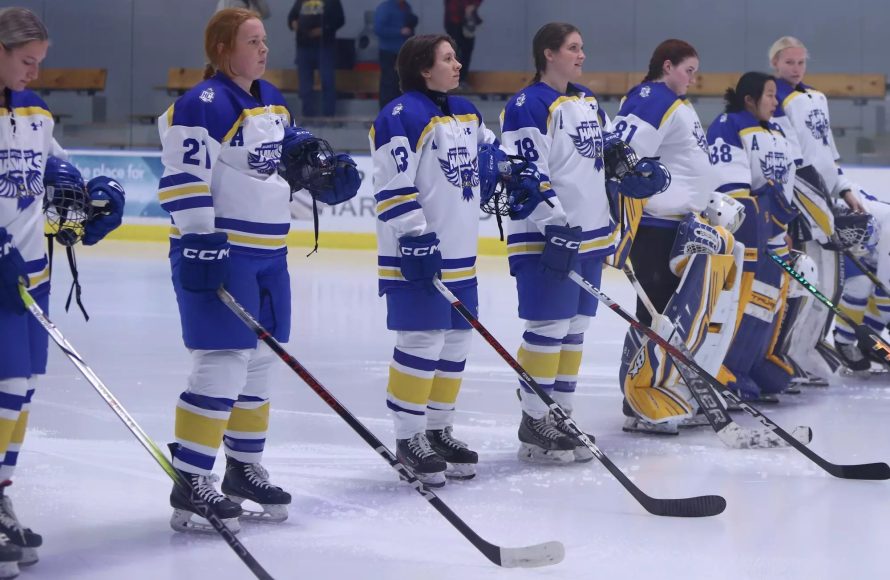
The start of a hockey game is called a face-off.
Ever wondered what exactly marks the beginning of all the action on the ice? Well, you might be asking yourself “what is the start of a hockey game called?” It’s a straightforward concept, but essential to understand the flow of the game. The moment the puck drops, it signifies the commencement of a period and marks the start of exciting hockey play.

What is the Start of a Hockey Game Called?
Ever wondered what that exciting moment is called when a hockey game begins? It’s more than just the puck dropping; it’s the culmination of preparation, anticipation, and the official signal that the game has begun. In this article, we’ll explore everything about the start of a hockey game, making it easy for you to understand. We will examine the different parts of the face-off process and talk about the rules governing this crucial part of the game. Whether you’re a new fan or want to know more about this part of the game, you’re in the right place.
The Face-Off: More Than Just a Drop
The term for the start of a hockey game is called a face-off. It’s not just the start; it’s a carefully orchestrated ritual that happens at the beginning of each period and after many stoppages during play. It is when two opposing players meet at a designated spot on the ice, and a referee drops the puck between them to begin or resume play. It’s a crucial part of hockey that decides who gets the first possession. Face-offs occur in various zones throughout the ice, each with its own strategic purpose. The center of the ice is used to begin the period, while different designated face-off circles are used during play when a stoppage occurs.
The Importance of the Face-Off
Why is the face-off so important? Well, winning the face-off is a big advantage. If your team wins, you get control of the puck right away. This means you can start an attack or keep the other team from scoring. It’s like a mini-battle to control the puck, and the results can directly affect the outcome of the game. Teams spend a lot of time practicing face-offs. It’s a key skill for many players, especially centers, because success in this area can change the course of the entire game.
The Face-Off Procedure: A Step-by-Step Guide
The face-off is not just a random puck drop. It follows a specific set of rules:
- Location, Location, Location: The face-off always happens at a specific point, known as a face-off spot or circle. There are nine face-off spots on the ice – one in the center circle, two in the neutral zone, and two in each team’s zone. The location of the face-off depends on what caused the play to stop.
- Setting Up: Two players, typically centers, line up facing each other. Their skates must be behind the face-off circle markings and their sticks must be on the ice. They are not allowed to move until the puck is dropped.
- The Referee’s Role: The referee has a key role. They are responsible for dropping the puck fairly between the two players. They hold the puck with one hand and drop it between the players’ sticks without either player knowing when exactly it will fall.
- The Drop: The referee drops the puck, and the two players try to gain control of it with their sticks.
- Winning the Face-Off: A player wins the face-off when they either pass the puck back to their teammates, move the puck out of the circle, or cause the opponent to make a mistake, which helps their team gain possession.
Why Face-offs Are Necessary
Face-offs are important because they keep the game fair and organized. Without them, it would be hard to start or resume play after a penalty, an offside, icing call or after the period ends. Face-offs ensure that the possession is not automatically gifted to either team, making the game fair.
Types of Face-Offs
While the basic procedure of a face-off is the same, the location can vary. Each type of face-off has different impacts on the game. Let’s explore these variations:
Center Ice Face-Off
This is probably the most known face-off. The center ice face-off happens at the very beginning of each period and after a goal is scored. This face-off starts the game and puts both teams in a neutral position. Winning this face-off is important as it sets the tone for the start of play. Often, teams will try to gain momentum early by winning these face-offs.
Defensive Zone Face-Off
A defensive zone face-off happens when the puck goes out of play or the other team breaks the rules in the defending team’s zone. These face-offs are important for the defending team because losing the face-off in their own zone can lead to scoring chances for the attacking team. Defending teams want to win these face-offs and move the puck out of the danger zone.
Offensive Zone Face-Off
When play stops in the attacking team’s zone, an offensive zone face-off takes place. Here, the attacking team has an opportunity to start an attack immediately. This is the ideal scenario for attacking teams. They try their best to win these face-offs to stay in their attacking zone. These face-offs are crucial for trying to score goals.
Neutral Zone Face-Off
Face-offs that happen in the middle of the ice, outside the defensive and offensive zones, are called neutral zone face-offs. These happen when play is stopped in the neutral zone for reasons like icing or if the puck goes out of the play in this region of the ice. These are important for both teams as winning this face-off helps a team gain better positioning and momentum.
Face-Off Rules: Avoiding Infractions
There are rules associated with a face-off. Here’s a look at the most common infractions and what happens when they occur:
- Face-Off Violations: Players must position their skates behind the face-off circle and keep their sticks on the ice. Any movement or violation before the puck is dropped can result in a face-off violation.
- Center Player Ejection: The center who commits the first face-off violation is ejected from the face-off and replaced with a teammate. This process can repeat if both the players are ejected due to consecutive violations.
- Second Violation: If any team violates the face-off rules a second time, their center player will be ejected and replaced by another teammate from the same team. The puck will then be dropped after the substitution.
- Moving Too Soon: If a player moves before the puck is dropped, it’s an infraction and can result in a change in possession or a second face-off.
Strategies for Winning Face-Offs
Face-offs aren’t just about luck; they involve many skills and strategies. Players who are good at face-offs use a combination of strength, hand-eye coordination, and timing to win. Some strategies teams utilize are:
- Stick Positioning: The position of the stick when the puck is dropped affects the outcome of a face-off. Players practice proper stick position to get better control. They use their stick to push the puck to their teammate, or to prevent the opponent from having control of it.
- Body Positioning: Players use their body to block the opposing player or create space for their teammates to grab the puck. Body control is vital for winning possession of the puck.
- Quick Reflexes: Face-offs often come down to who reacts first when the referee drops the puck. Having quick reflexes can make a huge difference in gaining control.
- Team Plays: Teams use specific set plays after winning the face-off. They work together to make the most of the possession after they secure it.
- Practice: Players spend a lot of time practicing face-offs. They work on all these aspects to improve their face-off skills.
The Face-Off Circle and its Markings
The face-off circle is more than just a round shape; the circle has specific markings to ensure fairness during face-offs. The different parts of the circle are:
- The Circle: A circle that is 15 feet in diameter, it is where face-offs take place.
- The Center Dot: This small dot at the middle of the circle is where the puck is placed for the face-off.
- The Hash Marks: The markings around the face-off circle is important. They guide the players on where to position themselves when taking part in the face-off.
The Face-Off in Different Leagues
While the basic process of the face-off is similar in all hockey leagues, there are slight differences. For instance, in the NHL, rules regarding face-off violations are strictly enforced. In other leagues, face-off rules might be interpreted a bit differently. It is important to know that each league has its own interpretation of the rules, however the basics of the face-off stay the same.
Famous Face-Off Moments
There have been some very famous face-offs throughout the years, and these are great examples of how important the face-off is to the game. Winning face-offs can bring momentum and lead to goals. Some famous face-off moments are:
- Stanley Cup Finals: Winning a face-off in crucial moments of the Stanley Cup Finals can determine who wins the game. These are some of the most important face-offs in hockey.
- Overtime Face-Offs: Overtime is the most intense period of a hockey game, so face-offs during this period are especially important. The winner of the face-off is often the team who wins the game.
- Game Winning Goal Setups: Often, face-offs have directly led to goals, where a good face-off allows a player to get a quick shot or a pass that gives them the upper hand.
How Face-offs Influence the Game’s Momentum
The face-off is a crucial part of hockey. It provides the first chance for a team to have control and possession of the puck. Teams can gain an advantage just by a simple face-off win. When a team wins many face-offs, it increases their chances of playing in the opponent’s zone more. This can lead to more scoring chances. Face-offs are critical for starting a team’s attack. Similarly, a good face-off can help a team defend its net and keep the puck away from their zone. Consistent face-off wins can change the direction of a game and boost team confidence.
The Impact of Face-Off Skills on Player Roles
Face-off skills are especially valuable for center players. Centers are the primary players who engage in face-offs, and their success directly benefits the team. Centers who have good face-off win rates are highly valued, because their ability to gain possession for the team is incredibly helpful. A center who is also great at face-offs helps the team dominate the possession battle. They also help create scoring chances and overall control the game. Winning face-offs in specific parts of the ice is a valued skill in hockey.
Face-Offs for Young Players
For young players, understanding the basics of a face-off is essential. Practicing the proper stance and learning timing and coordination helps these young players become better hockey players. They need to learn that face-offs are more than just luck, but an essential skill. It is important that young hockey players practice face-offs because good fundamentals can make a big difference for players early in their hockey journey. By focusing on the basics early on, players can improve their abilities and contribute better to their team.
In conclusion, the start of a hockey game, known as the face-off, is a critical and often overlooked aspect of hockey. It’s a strategic battle that requires skill, timing, and knowledge of the rules. It’s more than just a drop of the puck; it is the beginning of the game and crucial for each team to set the tone and gain the first possession of the puck. Whether you’re a player, a coach, or a fan, understanding the face-off can greatly improve your appreciation for the sport.
🏒 Rules Of Ice Hockey : How To PLAY Ice Hockey : Ice Hockey Rules For Beginners EXPLAINED
Final Thoughts
The beginning of a hockey game is called a face-off. This crucial moment starts play. Two opposing players meet at a designated dot on the ice.
The referee drops the puck, and the game begins. Understanding what is the start of a hockey game called is essential to understanding the sport.
Therefore, the face-off signals the commencement of all hockey action.

