
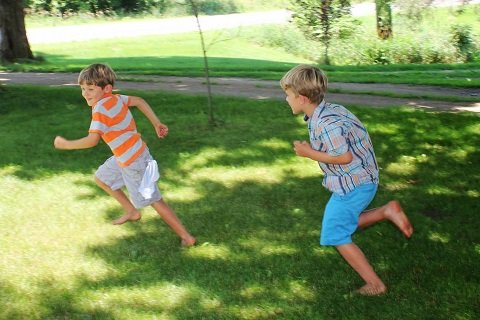
‘Tiggy game’ is a simple chasing game where one person is ‘it’ and tries to tag others; the tagged person then becomes ‘it’.
Ever wondered about those timeless games kids play in the park? You know, the ones that are just pure, simple fun. I’m talking about games like ‘what is tiggy game’, that’s right, that classic chase-and-tag.
It’s one of those activities that seems to transcend generations. Children across the world run around laughing as they play this game. Let’s explore the joy it brings to kids.

What is Tiggy Game?
Have you ever played a game where you run around trying not to get touched? Well, that’s pretty much the idea behind Tiggy! It’s a super fun and active game that kids (and even grown-ups!) have been playing for ages. It goes by lots of different names, like “Tag” in America, “Tip” in some parts of the UK, and even “It” in other places. But no matter what you call it, the basic idea is the same: one person tries to catch the others.
The Basic Rules of Tiggy
Tiggy is a very simple game to learn, which is why it’s so popular. Here’s how it usually works:
- Choosing “It”: First, you need to decide who starts as “It.” This can be done in many ways, like drawing straws, flipping a coin, or even just volunteering. The person who is “It” is also sometimes called the “Tagger” or the “Chaser.”
- The Chase Begins: Once “It” is chosen, the game begins! The person who is “It” tries to touch or “tag” the other players.
- Getting Tagged: If you get tagged by “It,” you become “It.” The person who was previously “It” is now free to run and avoid being tagged.
- Safety Zones (Sometimes): In some versions of Tiggy, there are “safe” areas or “bases.” If you’re in a safe zone, the person who is “It” can’t tag you. You might need to touch a certain object, or stand in a particular spot to be considered safe. These safety zones are usually decided before the game starts.
- No Tag-Backs: In some versions, if you’ve just been “It”, you cannot immediately tag the person who just tagged you, there has to be a separation, so to say, you can’t tag that person in a consecutive order, you can tag them if you can catch them again later.
That’s it! Pretty easy, right? Tiggy is a fast-paced game and involves lots of running, dodging, and laughing. The main aim is to not be “It” for too long!
Different Ways to Play Tiggy
Tiggy is so versatile that people have come up with all sorts of fun variations. Here are some popular ways to play:
Freeze Tag
This version is similar to regular Tiggy, but with a twist. When “It” tags you, you don’t become “It.” Instead, you have to freeze in place! You can’t move until another free player tags you to unfreeze you.
- If “It” tags a player, the tagged player freezes in place.
- Frozen players cannot move until a free player tags them again.
- The game continues until all the players are frozen or the “It” is tired and another person takes place.
Chain Tag
In Chain Tag, when “It” tags someone, the tagged person joins hands with “It.” Now there are two people who are “It” and must run together, hand-in-hand, to tag the other players. Each time a player is tagged, they join the chain. The chain grows longer until everyone is part of the chain!
- When “It” tags a player, that player joins hands with “It.”
- The chain of taggers continues to grow as more players are tagged.
- The last player not in the chain wins.
Shadow Tag
In this version of Tiggy, “It” doesn’t tag you by touching you; instead, they have to step on your shadow. It makes the game more exciting and it requires good timing and quick movements.
- “It” tries to step on the shadows of the other players.
- A player becomes “It” if their shadow is stepped on by the current “It.”
- Shadow Tag is especially fun on a sunny day when shadows are clearly visible.
Stuck in the Mud
When “It” tags you in this version of Tiggy, you have to stand still with your legs spread apart. You’re stuck in the mud! Other free players can save you by crawling under your legs. The game continues until everyone is “stuck in the mud.”
- When a player is tagged they have to stand with legs apart like they are “stuck in the mud”.
- Another free player can rescue a stuck player by crawling between their legs.
- The game continues until all players are “stuck in the mud”.
Bandit Tiggy
In this version, each player has a piece of cloth or a “tail” tucked into their back pocket, like a flag. “It” tries to pull the tails out instead of tagging. The player whose tail is pulled becomes “It.” This is fun and more challenging because you are protecting your tail.
- Each player has a “tail” (cloth) tucked into their pocket.
- “It” tries to pull tails instead of tagging.
- A player becomes “It” when their tail is pulled.
Blob Tag
This version starts with “It” who tags a person. Now the tagged person must hold hands with the person who is “It” and they become a “blob”. Now as the blob grows they must work together to tag more people. The last player not tagged wins. This encourages teamwork.
- “It” tags a player, and that player joins hand with the “It”.
- The “blob” tries to tag the remaining players.
- The last player not tagged wins.
Why is Tiggy so Great?
Tiggy is more than just a fun game; it’s actually great for you too! Here are some benefits of playing Tiggy:
- Gets You Moving: Tiggy is a great way to be active and get some exercise. You’ll be running, dodging, and jumping around, which is great for your heart and muscles.
- Improves Coordination: Playing Tiggy helps you improve your coordination. You need to be able to move your body quickly and smoothly to avoid being tagged.
- Boosts Social Skills: Tiggy is usually played with other people, so it’s a great way to interact and have fun with your friends. You learn to cooperate and communicate while you play.
- Easy to Learn: The rules of Tiggy are super simple, so anyone can quickly join in and have fun. This means everyone can play no matter your skill level.
- Encourages Outdoor Play: Tiggy is often played outdoors in parks, school yards, and gardens. This means you’re getting fresh air and enjoying nature while having a fun game.
- Builds Teamwork (in Variations): Variations like Chain Tag and Blob Tag encourage teamwork, helping children understand how to collaborate with others.
Tips for Playing Tiggy
Here are a few tips to make your Tiggy game even more fun:
- Choose an Open Space: Look for a safe area without too many obstacles so that you can run around freely. A park, playground, or backyard can be a great place to play.
- Wear Comfortable Clothes and Shoes: Make sure you wear clothes that you can move in easily and shoes that are good for running.
- Set Boundaries: Before you start playing, make sure you agree on the boundaries of the game. This can be a line on the ground, a fence, or a set of trees.
- Be Respectful: Remember to always play fairly and respectfully. No pushing, shoving, or being mean to others.
- Have Fun: The most important thing is to have fun! Enjoy the movement, the laughter, and the friendly competition.
Tiggy Around the World
As we said earlier, while many refer to the game as Tiggy in certain regions, it goes by different names depending on where you are in the world. Some of the common variations are:
| Name | Region |
|---|---|
| Tag | United States |
| Tip | United Kingdom, Scotland |
| It | Some Regions of UK |
| Chasey | Australia |
| Lapa-lapa | Philippines |
| Luksong-tinik | Philippines (Variation with hurdles) |
| Tig | Ireland |
| Tikker | Netherlands |
| Fangen | Germany |
| Juego del Corre que te Pillo | Spain |
Regardless of the name, the core principle remains the same – a fun game of chase and tagging that is enjoyed worldwide.
Tiggy and Physical Development
Let’s delve a bit more into how Tiggy impacts physical development. Playing tiggy isn’t just about running around aimlessly; it actively contributes to a child’s growth in several key areas:
Cardiovascular Health
Running is a big part of tiggy, which means the game provides a great workout for the heart and lungs. Engaging in regular cardiovascular activity is key for developing a strong heart, building stamina and maintaining overall fitness. The intermittent bursts of speed and movement help increase blood flow and improve oxygen uptake.
Motor Skills Development
Tiggy requires a lot of coordination and agility. Children need to be able to run, stop, change direction quickly, and dodge to avoid being tagged. All of these movements improve gross motor skills. The constant motion promotes muscle development and enhances balance and control over the body. These abilities will be crucial in many daily activities and sports.
Improved Reaction Time
The fast-paced nature of tiggy helps improve reaction time as well. Kids need to quickly respond to the movements of the person who is “it” and anticipate their next move. This improves reflexes and decision-making speed, which helps with overall cognitive function. The ability to quickly assess situations will greatly benefit them in all life experiences.
Muscular Strength and Endurance
While running is the main activity, Tiggy also incorporates other forms of movement such as jumping and crouching, which builds strength in the leg muscles as well as core muscles, especially during quick directional changes. Sustained play provides the much needed endurance for the kids to play for extended periods of time.
Development of Spatial Awareness
Tiggy helps children develop spatial awareness, the understanding of where their body is in relation to the environment. They will start to understand how far they can move in order to avoid being tagged and how to position themselves in order to tag another player. This improves their ability to navigate surroundings and understand the relative positions of objects and other players.
Promotes Active Lifestyle
By making physical activity enjoyable, tiggy helps kids develop a positive association with exercise. This can lead to a more active lifestyle and a greater enjoyment of movement and the outdoors. Regular active play helps form healthy habits that can carry on into adulthood. This promotes a balanced lifestyle and overall well-being.
Tiggy and Social-Emotional Development
Beyond the physical benefits, Tiggy plays a vital role in a child’s social and emotional development. It provides a platform for growth in various areas:
Teamwork and Cooperation
Variations of Tiggy like Chain Tag and Blob Tag require kids to work together. Children will learn how to coordinate with their partners to tag others. They learn to listen to each other, come up with strategies and move in unison. These early teamwork skills are important for future collaborative environments in school, sports, and even at work as an adult.
Communication Skills
While playing tiggy, children communicate with each other to coordinate, make plans, and make the game enjoyable for everyone. They will learn to express themselves clearly, to understand the needs of others and follow group directions. This will improve their overall communicative abilities and their approach to interacting with others in everyday life.
Fair Play and Rules
Tiggy teaches children about fair play and the importance of following rules. They learn to wait their turn, accept outcomes, and respect the rules of the game. This improves their sense of fairness and instills good sportsmanship. Learning to accept defeat is also a key emotional development skill.
Problem-Solving Abilities
As children play tiggy, they will constantly have to evaluate their surroundings and react appropriately. They need to learn to anticipate the movements of others, strategize to avoid being tagged, and figure out the best approach for tagging someone else. This constant evaluation promotes the development of critical thinking and problem-solving skills.
Building Confidence
As kids develop the skills required to play tiggy, it enhances their overall sense of competence. With each successful tag or escape from being tagged, the child will start to gain a sense of achievement and build confidence. The positive social interactions with peers boost self-esteem. Children who are confident are more likely to take initiative, set goals, and have an active lifestyle.
Managing Emotions
Tiggy provides children with a safe environment to experience a range of emotions. They learn to accept defeat gracefully, manage frustration when tagged, and to celebrate achievements with peers. The experience teaches them to handle different types of emotional situations that will occur through the course of their lives.
Conflict Resolution
Playing any games can at some point result in disagreements, tiggy is no different. These situations provide the perfect chance for children to learn how to resolve issues and understand perspectives. Learning to mediate their own disputes and compromise are key developmental skills that they will take into other aspects of their lives.
In summary, tiggy, beyond its fun nature, serves as an amazing educational game that fosters both physical and social skills and emotional development. It’s an effective way for children to grow physically, mentally, and socially.
So, the next time you’re looking for a fun and engaging activity, gather some friends and play Tiggy. It’s a great way to move your body, laugh a lot, and make lasting memories! Remember to be safe, play fair, and most importantly, have fun!
Gym Games – Disco Tiggy
Final Thoughts
Tiggy is a simple chasing game. Players typically tag each other to become “it”. The person who is “it” then chases the others.
This action continues until a new person gets tagged and the role changes. Players often use different rules for safe areas. Thus, what is tiggy game really boils down to a simple chase.

