
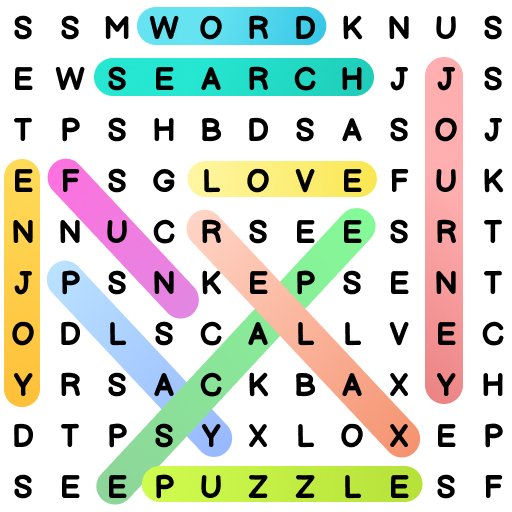
A word game is a game that uses words as its primary component, often involving manipulation, construction, or solving linguistic puzzles.
Have you ever wondered what is word game exactly? These games engage our minds in playful ways. They test our vocabulary and our ability to think creatively with language. It’s a fun activity for everyone, whether you enjoy quick puzzles or strategic battles with words.
Many different types of word games exist. Think of crossword puzzles, Scrabble, or even simple guessing games. They all share this common thread – the power of words. They make learning language fun and accessible.

What is a Word Game?
Ever wondered what makes a game a “word game”? It’s not just about using letters, it’s about how you play with them! A word game is any game that primarily uses words as its central component. These games challenge your vocabulary, spelling, and even your strategic thinking. They can be fun for all ages and are a great way to learn while playing.
The Basics of Word Games
At its heart, a word game is a puzzle that involves forming words. This might involve unscrambling letters, creating words from given letters, guessing words based on clues, or building words on a game board. Word games come in many shapes and sizes, from quick puzzles you can do alone to big board games that you can play with friends and family.
Key Elements in Word Games
Several things make a word game a word game. Let’s look at some of the key pieces.
- Letters and Words: The most important part! Word games always use letters to make words.
- Rules: Every word game has rules that tell you how to play. These rules are important to make sure that the game is fair and fun.
- Challenge: Word games are designed to make you think! They can challenge your spelling, vocabulary, and ability to quickly see patterns.
- Strategy: Some word games need careful planning to win. You need to consider not just what word to make, but where to place it or which letters to keep.
- Fun: The most important part! Word games should be entertaining and enjoyable for everyone playing.
Different Kinds of Word Games
Word games are a diverse group. Let’s explore some of the different types that exist:
Board Games
Board games bring the world of words to a physical space. You’ll often find letters on tiles or on a board, with players taking turns to build words.
Some Popular Board Word Games Include:
- Scrabble: This classic game is all about building words on a grid-based board, scoring points for longer and rarer words.
- Bananagrams: A fast-paced game where players race to create their own crossword grids using letter tiles.
- Upwords: A twist on Scrabble, allowing players to build words upwards as well as sideways, adding a 3D element.
- Words with Friends: A popular digital adaptation of Scrabble, allowing you to play with friends online.
Pencil and Paper Word Games
Sometimes, all you need is a pen and paper for word game fun. These games are portable and great for solo play or playing with others.
Some Famous Paper-Based Word Games:
- Crosswords: Fill in a grid with words based on clues, testing your knowledge of vocabulary and general knowledge.
- Word Searches: Find hidden words in a grid of letters, a great way to improve visual scanning and letter recognition skills.
- Hangman: A guessing game where one person thinks of a word, and another tries to guess it letter by letter before the hangman is drawn.
- Categories: Pick a category (like “Animals” or “Countries”) and then try to think of a word in that category that starts with a specific letter.
Digital Word Games
The world of digital games has many types of word games too. From apps on your phone to website games, digital word games offer many different ways to play. These games often feature unique visual effects and modes to keep you entertained.
Some Well Known Digital Word Games:
- Wordscapes: Swipe letters to form words, with puzzles that get harder as you progress.
- Boggle: A game where you find as many words as you can in a grid of letters, with a timer to add pressure.
- Word Connect: Connect letter tiles to form hidden words and solve puzzles.
- Online Crosswords and Sudoku: Many sites offer digital versions of classic paper puzzles.
Card Word Games
Word games also exist as card games! These games offer variety by using a deck of cards.
Some Examples of Card Word Games:
- Apples to Apples: Though primarily about comparisons, it involves selecting nouns and adjectives, making it a word-play game.
- Taboo: Players must get their teammates to guess a word without using certain other “taboo” words.
- Cards Against Humanity: A fill-in-the-blank game that is known for its humor and controversial content.
Verbal Word Games
Some word games don’t even need any physical pieces or screens. These verbal word games are all about using spoken language!
Some Examples of Verbal Word Games:
- 20 Questions: Players ask up to 20 yes-or-no questions to figure out a mystery word or object.
- I Spy: A game where one person looks at an item and says “I spy with my little eye something that is…”, and others guess.
- Storytelling Games: Players add to a story one word or sentence at a time, creating silly and imaginative tales.
- Tongue Twisters: Repeatedly saying phrases that are hard to pronounce correctly, a great challenge for your mouth.
Why Play Word Games?
Playing word games is not just about having fun; it has many benefits for people of all ages. Here are some key reasons to play:
Brain Benefits
- Vocabulary Improvement: Word games introduce you to new words and help you learn how to use them.
- Spelling Skills: Regularly working with letters and forming words can improve your spelling.
- Cognitive Skills: Word games challenge your brain and improve memory, problem-solving, and pattern recognition skills.
- Focus and Concentration: These games often require you to pay attention to details, helping to improve focus and concentration.
Social Benefits
- Fun with Friends and Family: Word games are a wonderful way to connect with others and enjoy quality time together.
- Teamwork: Some word games need teamwork, and this can help you build collaborative skills.
- Communication Skills: Some verbal word games can help to improve your ability to communicate clearly and effectively.
Educational Benefits
- Learning Through Play: Word games make learning fun and engaging, helping kids (and adults) absorb new information more easily.
- Language Development: They are a great tool for language development, helping people learn new languages in an interesting way.
- Cognitive Growth: Word games contribute to overall cognitive development, especially in children.
Fun and Relaxation
- Stress Relief: Word games can be a relaxing way to pass the time, taking your mind off daily stresses.
- Entertainment: They provide endless entertainment and are a great way to stay busy, whether you are on a long trip, waiting for an appointment, or have some free time.
Who Can Play Word Games?
The great thing about word games is that they’re generally for everyone! No matter your age or background, there is a word game for you. Here’s how they cater to different groups:
Word Games for Kids
Word games for kids often focus on fun and simplicity, helping them improve their basic language and spelling skills. Games like word searches, simple crosswords, and picture-based word games are great for young learners. These types of games help children build early literacy skills and foster a positive relationship with words.
Word Games for Adults
Adults can enjoy a variety of complex word games that challenge their cognitive skills and strategic thinking. Board games like Scrabble and Boggle, and digital games like Wordscapes, offer intellectual stimulation and fun. Word games for adults can also be a great way to stay sharp and improve memory.
Word Games for Seniors
Word games have been shown to be a great way to keep minds active and engaged for older adults. Puzzles like crossword puzzles and simple card word games can help maintain cognitive function and provide enjoyable social interaction. They help with cognitive stimulation and provide a social connection that helps overall well-being.
Word Games for Language Learners
For those learning a new language, word games can be an interesting and helpful way to practice vocabulary and spelling. They also help to recognize patterns in the new language. From online games to verbal exercises, language learners can use word games to build vocabulary and become more comfortable with word usage.
How to Choose the Right Word Game
With so many word games available, it’s important to choose one that suits you (or your group). Here are some things to think about when choosing a game:
Consider Age and Skill Level
Choose a game that is appropriate for the age and skill level of the players. A complex board game like Scrabble might not be suitable for young children, while a very simple word search may not be engaging enough for older adults. Always make sure the game is challenging but not too difficult.
Think about the Number of Players
Some word games are best for solo play, while others are designed for multiple players. If you’re playing with a big group, pick a game that can accommodate everyone. If you are playing alone, make sure you choose a game that you will enjoy on your own.
Choose Your Setting
Do you want to play something that requires a board and table, or are you looking for a portable game that can be played anywhere? Consider where you will be playing the game when choosing a game. Do you prefer the feel of physical games or the ease of digital apps?
Your Goals for Playing
What do you hope to get out of playing a word game? Are you hoping to improve your vocabulary and cognitive skills or simply wanting to have fun and relax? Knowing your goal can help you select the best type of game.
Trial and Error
Don’t be afraid to try a few different games to see what you enjoy the most. What might seem boring to one person might be very exciting to another! There are so many types of word games, so have fun and try some new ones! You will find something that works for you.
In short, a word game is a wonderful way to blend learning, fun, and social interaction. Whether you are a student trying to improve your spelling, an adult trying to stay sharp, or a family looking for some fun together, word games provide something for everyone. The next time you are looking for some fun, give word games a try!
FIND THE HIDDEN WORD! NEW WORD GAME CONTEXTO!
Final Thoughts
Word games involve play with language. They challenge vocabulary, spelling, and logic. These puzzles offer mental stimulation and amusement.
Ultimately, what is word game? It is a recreational activity centered around manipulating words. Playing them can improve cognitive skills.

