
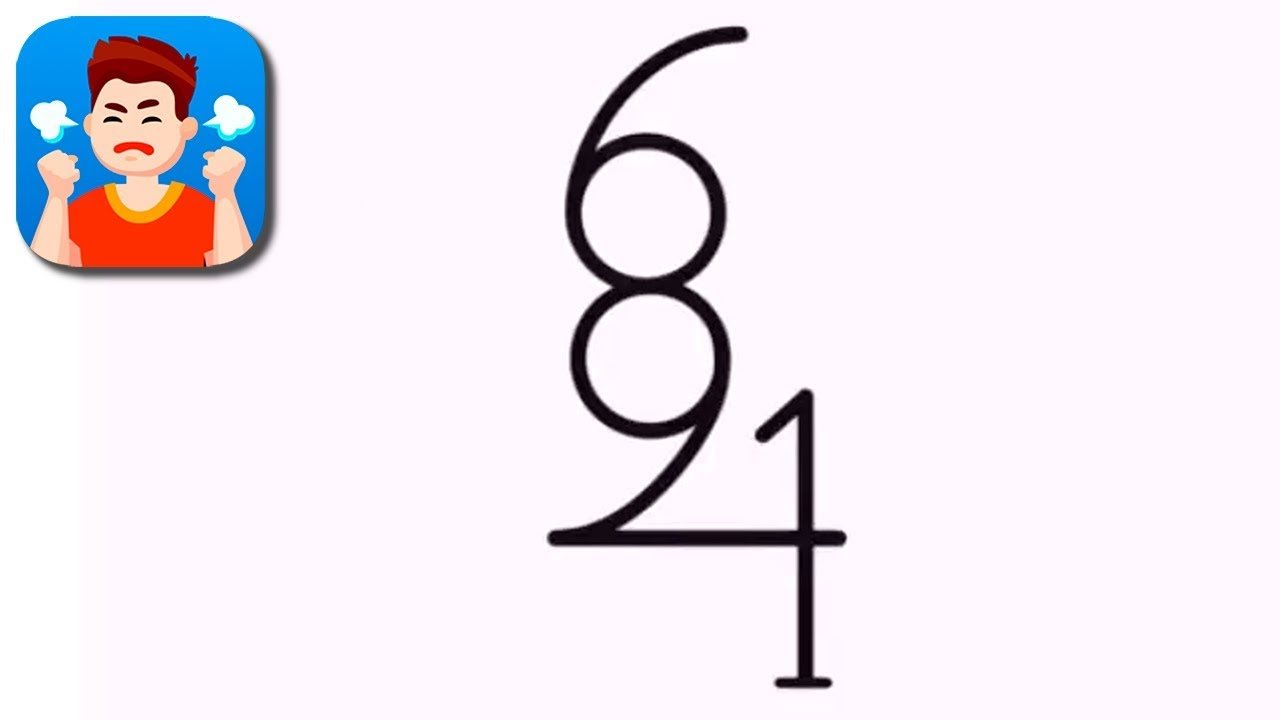
The ‘what number can you see game’ often uses hidden or partially obscured numerals, challenging players to identify them.
Ever squinted at an image, convinced there’s something more than meets the eye? That’s the thrill behind the ‘what number can you see game’. It’s a simple concept but provides surprisingly addictive fun.
These visual puzzles often rely on camouflage or clever design to conceal the digits. Sometimes the numbers blend into the background. This game is a test of observation and perception.

What Number Can You See Game: A Deep Dive
Have you ever seen those pictures online, the ones that make your eyes go a little funny, and you have to really concentrate to see a number hidden within? That’s the “what number can you see game,” and it’s more than just a fun distraction! It’s a fascinating way to test your vision, your brainpower, and your ability to focus. Let’s explore what makes this game so interesting and why it’s so popular.
The Magic Behind the Numbers
These games, sometimes called hidden number tests or visual perception puzzles, aren’t just about randomly throwing numbers into a pattern. They utilize specific techniques to make the numbers blend in with their surroundings. Think of it like camouflage, but for numbers! Often, they involve:
- Color Contrasts: The number will have a color that’s similar to the background but just different enough to make it tricky to see. Imagine a light grey number on a slightly darker grey background – your eyes have to work hard to pick out the subtle difference.
- Texture and Patterns: The number may be formed by a slight change in the texture or pattern of the image. It might look like part of the overall design, making it hard to isolate visually.
- Optical Illusions: Sometimes these games use optical illusions to trick your brain. The way the lines and shapes are arranged makes it harder to see the number hiding within.
- Dots and Grids: The number might be made from tiny dots or within a grid, requiring you to scan carefully and piece together the information.
These methods force your brain to work a little harder than usual. Your eyes aren’t just passively looking; they’re actively searching for details and making comparisons. It’s like a mini workout for your visual system and your brain’s pattern recognition skills.
Why Are These Games So Popular?
So, why is everyone sharing these number games online? There are a few key reasons for their popularity:
- They’re Engaging: These games require you to actively participate, not just passively look at something. You have to concentrate and search for the solution. This engagement makes them more interesting than just a regular image.
- They’re a Fun Challenge: Successfully finding the number gives you a sense of accomplishment. It’s like solving a mini-puzzle, and who doesn’t like a good puzzle?
- They’re Shareable: These images are easy to share on social media, which allows people to challenge their friends and family and makes the game more fun and social.
- They’re Quick: You don’t need a lot of time to try one of these games. You can do it while you’re waiting for the bus or during a short break.
- They are a Visual Test: Many people also see them as a quick way to test their vision and cognitive functions. Although not a replacement for a professional eye exam, it gives a sense of how your visual perception is working.
Types of “What Number Can You See” Games
The basic idea of these games is always the same – find the hidden number – but there are many variations in how they are presented. Let’s explore some common types:
Ishihara Color Blindness Test-Inspired Games
The most popular type of these games borrows heavily from the Ishihara color blindness test. In these games, the background is often a field of colored dots. The number is formed by a different color set of dots. These games not only test your ability to differentiate colors but also your pattern recognition skills. The tricky part is that the color difference might be slight, requiring your brain to truly work hard.
Example: Imagine a field of light green dots with a number ‘8’ formed by slightly darker green dots. The subtle contrast makes the number blend in and takes some time and concentration to identify.
Patterned Background Games
Another popular variation presents numbers hidden within complex patterns. These patterns can be anything from simple geometric shapes to more abstract designs. Here, it’s not just about color, but also about identifying the slight differences in pattern, or texture that forms the number.
Example: Imagine a background with a repeating wavy line pattern, with the number ‘3’ made by a slightly different form of those wavy lines. The number almost appears to be part of the pattern itself.
Grayscale Games
Some games use a limited color palette, often sticking to shades of gray. This means that the hidden number will rely almost entirely on subtle changes in shading. These games can be surprisingly challenging since the lack of color contrast makes it harder to differentiate between the number and its background.
Example: A background of light gray lines with a slightly darker gray number ‘6’ hidden within it. The slight differences in shading are what help reveal the number.
3D Effect Games
These games use techniques that create a 3D effect to hide the number. They often make use of shadows, layering, and perspective to make it trickier to find the number. The key is to shift your visual focus to understand how the shapes create the number, playing with the illusion of depth.
Example: Imagine a series of 3D cubes, arranged in a way that when viewed from the right perspective, reveals the number ‘2’ through the overlapping shadows and shape placement.
Hidden Within an Image
In this variation, the number isn’t the main focus, but it is cleverly hidden within an everyday image, or photo. This requires you to really scan the entire picture and pay close attention to the details of all the objects, or spaces to find the hidden number. Often these numbers are made up of objects within the image or the negative space between them.
Example: Look at a picture of a forest. At a first glance it seems to be a normal forest, but on a closer look, the trees might form the number ‘9’ using their branches and the spaces between them.
The Science Behind It: How Your Brain Sees Numbers
These games aren’t just fun and challenging; they also teach us a lot about how our brains process visual information. Here’s a peek at the science behind it:
The Role of the Visual Cortex
When you look at one of these images, the light enters your eyes and is converted into electrical signals. These signals travel to the back of your brain, to an area called the visual cortex. This part of your brain is responsible for processing visual information, including shapes, colors, and movement. It takes all this information and starts to put together the images you perceive.
Pattern Recognition
Your brain is incredible at recognizing patterns. That’s why you can see a face in a crowd, or identify letters when you read. When you play ‘what number can you see,’ your brain is actively looking for a familiar numerical pattern among the visual noise, the background texture, and the camouflage it creates to hide the number.
Contrast Sensitivity
Contrast sensitivity is your ability to distinguish between objects that have subtle differences in color or shading. It plays a big role in these games, as they often rely on very small differences to hide the number. If your contrast sensitivity is good, you will be able to see the hidden number faster. If not, then the task might seem harder or it might take some more time to find.
Focus and Attention
Finding hidden numbers requires focused attention. You have to direct your mental energy towards the task at hand and ignore distractions. These games are actually good practice for your focus muscles. When you really need to find something in your life, your brain can tap into these developed focusing skills.
Why Some People Find It Easier
Everyone’s visual system and brain work a little differently. Some people find these games very easy, while others struggle. Some of the reasons behind this are:
- Visual Acuity: People with sharper vision are more likely to pick up the subtle details.
- Color Perception: People with a better ability to distinguish between similar colors might find the games inspired by the Ishihara test easier.
- Pattern Recognition Skills: People who are good at pattern recognition can see the number faster.
- Focus and Concentration: People who are good at focusing on tasks and eliminating distractions tend to do better at these games.
- Practice: Like any skill, you can get better at these games with practice. The more you do these games, the better your brain becomes at identifying the subtle differences and finding the hidden numbers.
Benefits of Playing “What Number Can You See” Games
While these games are mostly played for entertainment, they might offer some benefits to your brain and visual system, including:
- Improving Attention to Detail: Finding the numbers requires you to pay close attention to the details. The games are a fun way to encourage more careful observation skills.
- Boosting Cognitive Skills: The games help to sharpen your pattern recognition skills, focus, and visual processing speed.
- Developing Visual Perception: They help your brain improve its ability to process visual information.
- Engaging Your Brain: These puzzles help keep your mind active and give it a little workout.
- Stress Relief: Taking a quick break to play a “what number can you see” game can be a simple and fun way to relax and clear your head. It’s like giving your brain a refreshing pause.
Tips for Spotting the Hidden Numbers
If you’re finding these games difficult, here are some helpful tips that can make it easier for you to spot those sneaky numbers.
Change Your Viewing Distance
Try looking at the image from different distances. Sometimes, stepping back or getting closer can help the number “pop out”. The change in perspective can help reveal the pattern.
Blur Your Eyes
Try slightly blurring your vision or squinting. This can sometimes make the background noise less noticeable and the number clearer.
Trace the Pattern
Try tracing the pattern with your finger or your eyes, then see if you can spot the number by following the shape of the pattern.
Take Your Time
Don’t rush through the game. Take your time to carefully scan the image, and focus on the details of the patterns, colors and shading.
Practice Regularly
The more you play these games, the better your visual perception and pattern recognition skills will become, so practice them regularly.
Try Different Types
Some variations of these games might be easier for you than others. Try out different styles to see which ones you are naturally good at, and which one offers more challenge for you.
Are these games just for fun?
While the primary purpose of “what number can you see” games is entertainment, the mental engagement they provide can be a useful tool. The challenges offered by these games, with their unique visual hurdles, can be beneficial in many ways. The positive effects on visual processing speed, pattern recognition, and attention to detail can extend to everyday life.
Where to Find These Games
These games are easy to find online. You can usually find them on social media sites such as Facebook, Instagram, or Twitter. You can also search for them on Pinterest, or use Google image search. Search for things like “what number do you see”, “hidden number test” or “visual perception puzzle” and you will find a variety of images to play with.
A Fun Way to Test Your Vision and Brain
The “what number can you see” game is a fun and engaging challenge. It’s a unique blend of visual perception, cognitive workout, and sheer entertainment. These games are more than just a fun pastime; they offer a glimpse into the way our brains see and understand the world around us. They encourage us to look a little closer, focus a little harder, and appreciate the incredible ability of our minds to make sense of it all. So, next time you see one of these puzzles pop up, give it a try! You might be surprised at what you find, or maybe you already knew you were amazing!
Easy Game What number can you see? Level 130 #easygame
Final Thoughts
In short, the ‘what number can you see game’ offers a simple yet engaging way to test visual perception. This activity improves attention to detail. The game’s format makes it accessible to all ages.
The quick nature of it requires rapid processing skills. You must be able to identify the numbers correctly. The game is a great brain teaser.

