
Hunters should field dress harvested game promptly, cool the meat quickly, transport it safely, and process it appropriately for consumption or preservation.
The thrill of the hunt culminates in a crucial responsibility: what should hunters do with harvested game? It’s more than just a trophy; it’s a source of food that deserves respect and careful handling. The path from field to table requires specific actions to ensure the meat is safe and enjoyable.
Proper care starts immediately after the harvest. This involves field dressing the animal, getting rid of internal organs quickly. Cooling is very important to avoid spoilage, and transport must be done safely to prevent contamination.

What Should Hunters Do With Harvested Game?
So, you’ve had a successful hunt! You’ve taken your animal, and now it’s time to think about the next steps. What do you do with that hard-earned game meat? It’s more than just getting food on the table; it’s about respecting the animal, ensuring safety, and making the most of your hunt. This part is super important! Let’s dive into the right way to handle your harvest, from field to fork.
Field Dressing: The First Crucial Steps
Field dressing is the very first thing you need to do right after taking down your game. It means cleaning the animal right there where you are. Doing this quickly keeps the meat cool and helps prevent it from spoiling. Think of it like giving the animal a quick check-up and getting it ready for transport. Here is what you should do:
Safety First
Before you start, remember safety always comes first. Wear gloves! You don’t want to touch the animal with your bare hands because it can carry germs. Always use a sharp, clean knife, and be careful not to cut yourself. Make sure you have enough light, especially if it’s getting late. Bring a headlamp or flashlight with extra batteries. And don’t do this all alone; having someone else there can be a big help.
The Field Dressing Process
Now, for the actual process. Here’s a simple breakdown:
- Position the Animal: Lay the animal on its back, or as flat as possible, and make sure it won’t roll over.
- Make an Incision: Carefully cut through the skin and muscle along the belly from the breastbone down to the pelvis. Be very careful not to cut into the guts.
- Remove the Entrails: This is where you carefully take out all the guts, intestines, and other organs. You might need to cut some connecting tissues. Be extra careful not to puncture or damage any of the organs.
- Inspect the Carcass: After removing the organs, check everything over for anything that looks unhealthy or weird. If you find anything, you might want to consult an expert.
- Drain Excess Blood: If possible, try to get any excess blood out of the carcass.
- Cool the Carcass: Finally, try to cool down the animal. This can be done by placing it in a shady spot, open to the air.
You may find field dressing to be tricky at first, but with practice you’ll get faster and better. You can watch videos or take classes that show you how to do it properly. Many hunting groups or associations offer these training sessions.
Transportation: Getting Your Game Home
After field dressing, you need to get your game home. How you transport it is crucial for keeping the meat fresh and safe.
Keep it Cool
Temperature is the biggest enemy of fresh meat. Keep it cold. If it’s not too far away, you can use a truck bed or a trailer. If it is a longer trip, use coolers with ice. The goal is to bring the meat temperature down as quickly as possible, below 40°F (4°C). Also, try to keep the meat out of direct sunlight. Direct sunlight will quickly raise the temperature and can spoil the meat.
Legal Requirements
Every state or region has different rules about transporting game. Make sure you know what they are. You might need a tag or permit to transport harvested game. You’ll likely need to leave some evidence that it was a legal harvest. This can be a tag or specific portion of the animal. It is your duty to find and follow the hunting regulations for your area. You can find these regulations on the official website of your local wildlife agency.
Protecting the Carcass
Try to protect the carcass from dirt, bugs, and other things that can mess it up. You can use game bags, clean tarps, or even plastic sheeting. These can help keep things clean and away from the meat.
Skinning and Butchering: Turning the Harvest Into Meat
Once you get your game home, the next step is skinning and butchering. This is when you prepare the meat for cooking. You can do it yourself or take it to a butcher, and this is usually personal preference. Here’s what you need to know:
Skinning
Skinning means removing the animal’s hide. A sharp knife is key for this job. You can either hang the carcass or lay it on a clean surface. Start by making a cut along the back of the legs and carefully peel the hide away. If you are new to this, there are plenty of guides and tutorials that can help. Take your time to get a feel for how the hide comes off. Keep the hide as clean as possible. If you decide to save the hide for tanning later, you’ll want to avoid getting too much blood and dirt on it.
Butchering
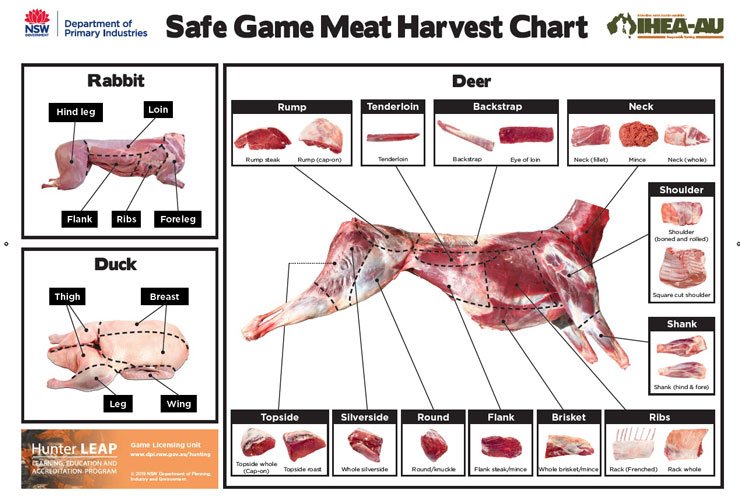
Butchering is breaking down the carcass into usable cuts of meat. This is where you make steaks, roasts, and grind for burger. Here is a basic idea of how to break down the carcass.
- Separate Large Muscle Groups: Begin by separating larger muscle groups like the hindquarters (hams), shoulders, and backstraps. These are your primary cuts.
- Remove Bones: Take the bones away from the meat. For steaks, you may want to leave them in, but you need to remove them to grind meat.
- Trim and Clean: Remove any silver skin, excess fat, or connective tissue. This will help improve the taste and texture of the meat.
- Cut into Steaks and Roasts: Cut the meat into portions that work for your style of cooking. This might be steaks, roasts, or cubes for stew.
- Grind Meat: If you want to make ground meat, cut meat into cubes. Use a meat grinder. You can mix in some fat for added flavor and moisture.
Tools of the Trade
Here are some tools to make butchering easier:
- Sharp Knives: A set of sharp knives is a must. You should have a variety of blades for different tasks. A boning knife, a skinning knife, and a butcher knife is very important.
- Meat Cleaver: A meat cleaver is great for cutting through bones.
- Meat Saw: A meat saw is also good for bones, especially if you want to keep the bone intact.
- Meat Grinder: If you want to make ground meat, a meat grinder is a great tool to have.
- Cutting Board: A large and sturdy cutting board is a very useful tool.
Safety First (Again!)
Just like field dressing, always be mindful of safety. Wear cut-resistant gloves, and always cut away from yourself. Keep your knives sharp; dull knives are more dangerous. Make sure you are using clean and sanitized tools and surfaces.
Proper Storage: Keeping Your Meat Fresh
Once you have butchered your meat, you must store it correctly. The wrong storage can ruin all of your hard work. Proper storage keeps it safe and tasty. Here’s how to do it right:
Cooling and Chilling
The faster you cool your meat, the better. Fresh meat should cool quickly and reach a safe temperature as soon as possible. The goal is to get meat down to 40°F (4°C) or below as soon as possible. You can do this by using ice or putting it in the refrigerator. If you use a refrigerator, use a meat thermometer to check the internal temperature and make sure it’s cold enough.
Freezing
If you aren’t going to use the meat right away, you should freeze it. Here are some important tips for freezing:
- Wrap it Well: Wrap your meat tightly in freezer paper or vacuum-sealed bags. This helps prevent freezer burn. Freezer burn is when the frozen meat loses moisture and flavor.
- Label Everything: Label all packages with the date and cut of meat. This helps you keep track of how long the meat has been frozen. This helps to ensure you use it before it starts to lose flavor.
- Quick Freeze: Try to freeze the meat as quickly as possible. This helps preserve the meat’s texture and quality.
Refrigeration
If you plan to use your meat within a few days, store it in your refrigerator. Here’s how:
- Use the Right Shelf: Store raw meat on the lowest shelf of your refrigerator. This prevents the meat juices from dripping on other foods.
- Keep it Wrapped: Keep your meat wrapped tightly to prevent it from drying out.
- Time Limits: Cook your refrigerated meat within three to five days. This keeps it safe and makes sure it tastes great.
Vacuum Sealing
Vacuum sealing is a great way to store meat. The tight seal makes it last longer in the freezer. It also prevents freezer burn and maintains the meat’s flavor. If you hunt often, a vacuum sealer can be a wise investment. Here’s why:
- Prolongs Shelf Life: Vacuum-sealed meat can last for several months in the freezer.
- Reduces Freezer Burn: The seal protects the meat from the dry air that causes freezer burn.
- Maintains Flavor: The tight seal keeps the meat from drying out. This keeps it juicy when you are ready to use it.
Cooking and Enjoying Your Harvest
The final step is cooking and enjoying all of your hard work. You should have fresh and delicious meat ready to go. Here are some tips for getting the most out of your harvest:
Different Ways to Cook
Game meat can be cooked in many different ways. It can be grilled, roasted, braised, or made into stew. Experimenting with different recipes can help find your favorites.
- Grilling: Grilling works well with steaks and burgers. Use moderate heat to prevent the meat from drying out.
- Roasting: Roasting is great for large cuts of meat, like roasts. Slow roasting at a low temperature helps make it tender.
- Braising: Braising is a good choice for tougher cuts of meat. This will slowly break down connective tissues.
- Stewing: Stewing works with any cut of meat. It is a great way to make delicious and hearty meals.
Tips for Cooking Game Meat
Game meat is often leaner than meat from domestic animals. This means that it can be easily overcooked. Use these tricks for the best result:
- Use Marinades: Marinades can add flavor and moisture to leaner cuts of meat. Marinate your meat for a few hours or even overnight.
- Don’t Overcook: Use a meat thermometer to make sure your meat reaches the proper temperature. Overcooked game meat will be very dry and tough.
- Rest the Meat: Let your meat rest for a few minutes after cooking. This allows the juices to redistribute, making the meat tender.
- Add Fat: You can add fat, like bacon or olive oil, to help make the meat moist and flavorful.
Safe Cooking Temperatures
Make sure you cook your game meat to the right temperature. This is very important for food safety. Here are some general guidelines from USDA:
| Meat Type | Minimum Safe Internal Temperature |
|---|---|
| Venison (Deer) | 165°F (74°C) |
| Elk | 165°F (74°C) |
| Wild Turkey | 165°F (74°C) |
| Wild Duck | 165°F (74°C) |
Sharing Your Harvest
Sharing your harvest is an important part of hunting. It helps support the community and lets you share your bounty. Here are some ways to share:
Sharing With Friends and Family
Share your meat with friends, family, and neighbors. This can be a great way to spend time together and share meals. You can even try cooking your favorite recipes together.
Donating to Food Banks
Many areas have programs where you can donate your extra game meat to local food banks. This is a great way to help people who are in need. Contact your local food bank to see if they accept donations of wild game. Always follow the guidelines set out by food banks.
Community Programs
Some hunting organizations or conservation groups have programs that help donate meat to families in need. Look for these groups in your area. Participating in these programs is a very good way to give back to the community.
Ethical Hunting and Respect for Wildlife
Hunting is a very big responsibility. It’s very important to treat animals with the utmost respect. This includes before, during, and after the hunt. Here are some things to keep in mind:
Fair Chase
Make sure to give the animal a fair chance. Don’t use unfair methods or make things too easy for yourself. Follow all local laws and hunting rules. Do not take shortcuts that can harm animals or put them at a disadvantage. Be aware of fair chase ethics. Hunting this way is how we respect the animals and make sure that they will be here for future generations.
Respect for the Animal
Treat the animal with respect during all phases of the hunting process. This includes during the hunt, during the field dressing process, during transportation, and during butchering. Do not waste any part of the animal. Find a way to use all of the meat from each animal that you harvest. This shows respect for the animal.
Responsible Hunting Practices
Always practice responsible hunting. This means knowing the rules, getting proper training, using safe equipment, and always being respectful of the animals and their habitat. Be aware of the land that you are hunting on. Follow all of the rules. Report any violations to local wildlife agencies.
Handling your harvested game is a skill that improves with practice and experience. By following these steps, you can ensure your hard work translates into safe, delicious, and ethically-sourced food. Remember to stay informed about local regulations and continually learn from experienced hunters. With patience and dedication, you’ll get better and better at bringing your harvested game from field to fork.
Field Dressing and Processing a Harvested Deer
Final Thoughts
Hunters must field dress their game immediately after harvest. This process involves removing organs and cooling the carcass quickly. Proper handling minimizes spoilage and ensures high-quality meat.
Next, hunters must transport the game carefully to a processing area. They should keep the meat clean and protected from contamination. Thorough cleaning is vital before butchering.
Finally, what should hunters do with harvested game? They must process the game promptly or take it to a qualified butcher. This ensures safe consumption and maximizes the yield.

