
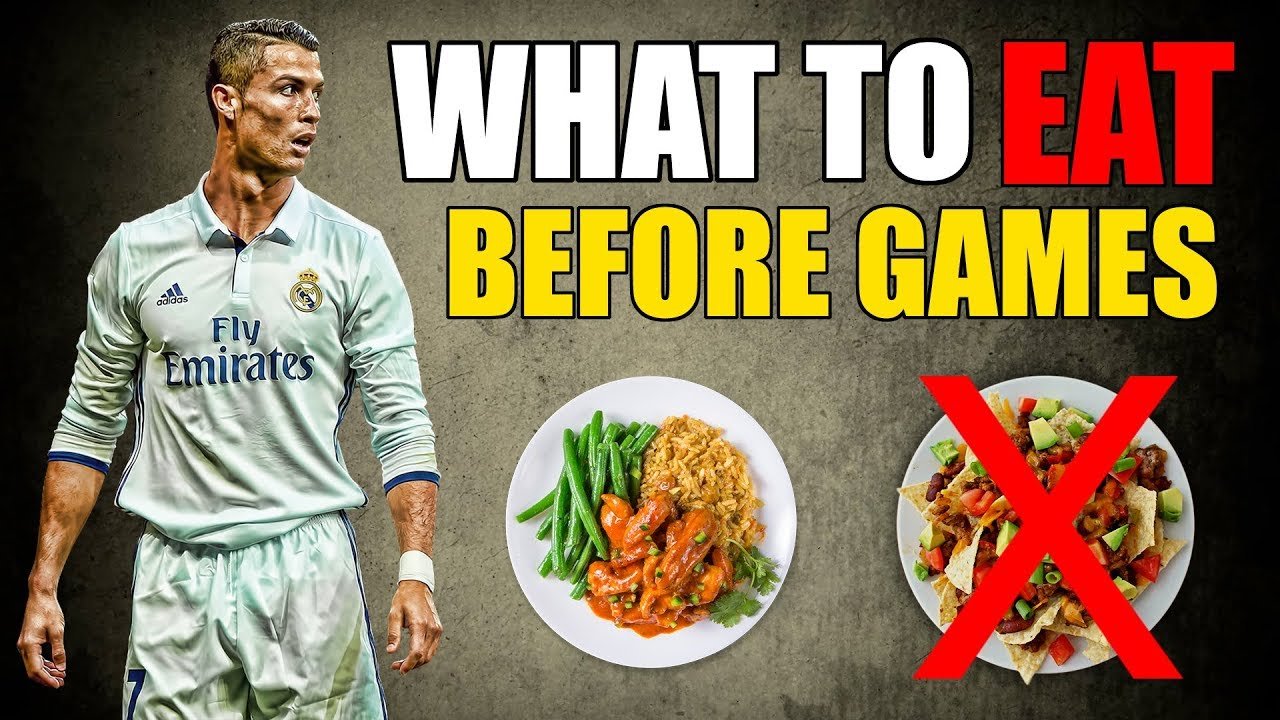
Eat a meal rich in carbohydrates, like pasta or brown rice, combined with some lean protein, such as chicken or fish, 2-3 hours before a soccer game.
Fueling up correctly is crucial for peak performance on the soccer field. Many players often wonder, what should i eat before a soccer game to maximize their energy levels. Thinking about your pre-game meal can give you that competitive edge.
It is important to choose easily digestible options. Avoid high fat foods, as they can cause discomfort and slow you down. Proper nutrition will keep you feeling your best.

What Should I Eat Before a Soccer Game?
Fueling up correctly before a soccer game is like giving your body the perfect supercharge. Think of your stomach as the gas tank for your energy. You wouldn’t put the wrong kind of gas in your car, right? Same goes for your body! What you eat can totally impact how well you play on the field. Eating the right foods will help you run faster, last longer, and think clearer during the match. Let’s dive into the best things to eat before you lace up your cleats.
The Importance of Pre-Game Nutrition
Think of pre-game food as your secret weapon. It’s not just about filling your tummy; it’s about giving your body the right kind of energy. This energy is essential for a strong performance. A good pre-game meal helps in these ways:
Provides Energy: Your muscles need fuel to work hard. Carbs are the best source of quick energy for soccer.
Maintains Blood Sugar Levels: Stable blood sugar means no sudden energy crashes during the game.
Hydration: Food contributes to your overall hydration levels. Some foods have high water content.
Prevents Hunger: Going into a game hungry is a recipe for disaster. Proper food keeps you feeling satisfied and focused.
Optimizes Performance: The right food can improve your speed, agility, and endurance. It allows you to play your best.
A pre-game meal is not the same for all. The timing of the meal and your individual needs play a big role. Now, let’s look into the types of foods that will give you the edge on the field.
Understanding Macronutrients: Carbs, Proteins, and Fats
Before we get into specific meal ideas, it’s important to understand the role of macronutrients – carbohydrates, proteins, and fats. These are the building blocks of your food and each plays a crucial role in athletic performance.
Carbohydrates: The Energy Source
What they do: Carbs are your body’s main source of energy for high-intensity activity, like running around on the soccer field. They break down into glucose, which your muscles use for fuel.
Good sources: Whole grains (like brown rice, whole-wheat bread), fruits (like bananas, apples), vegetables (like sweet potatoes), and oats.
Why they are important before a game: They provide quick and sustained energy for the entire game. Think of them as the rocket fuel that will launch you across the field.
Proteins: Muscle Builders and Repairers
What they do: Proteins help build and repair your muscles. They are also important for other body functions.
Good sources: Lean meats (like chicken, turkey), fish, eggs, dairy products (like yogurt, milk), beans, and lentils.
Why they are important before a game: While not the main source of pre-game energy, protein helps with muscle recovery and provides a steady stream of amino acids. Too much protein right before a game can cause stomach upset, but having a little is beneficial.
Fats: Long-Term Energy
What they do: Fats provide long-term energy and help with vitamin absorption.
Good sources: Healthy fats include avocados, nuts, seeds, and olive oil.
Why they are important before a game: Fats are not ideal as the main source of energy right before a game because they take longer to digest. You can incorporate fats into your meal days prior to the match. But a small amount in a pre-game meal is usually okay.
It’s all about balance. Your pre-game meal should focus on carbohydrates with a moderate amount of protein and a small amount of fat.
Timing is Key: When to Eat Before Your Game
The timing of your pre-game meal is just as important as what you eat. Eating too close to game time can lead to stomach cramps and discomfort. Think about your body as needing time to digest your food. Here’s a general guideline:
3-4 Hours Before the Game: This is your main pre-game meal. It should be a balanced meal with a good portion of complex carbohydrates, a moderate amount of protein, and some healthy fats. This gives your body enough time to digest the food and convert it into energy.
1-2 Hours Before the Game: If you have a meal in the 3–4-hour window, you can have a small snack now, focus on easily digestible carbs like a piece of fruit or a small granola bar.
30-60 Minutes Before the Game: A very light snack, if needed, can be included within this timeframe. It should consist of carbs that are easy to break down. Think a few sips of sports drink or half a banana.
Remember, everyone is different, so experiment to see what timing works best for your body. Pay attention to how your body feels during training sessions, that’s a good practice ground for a match day!
Specific Pre-Game Meal Ideas
Now that we know the timing and types of foods, let’s explore some specific pre-game meal ideas. Remember, it’s good to try these out during practice to see what works best for you!
3-4 Hours Before the Game: The Main Meal
Here are some good examples for your main meal:
Chicken or Turkey with Rice and Veggies: A classic combination of protein and carbs. Choose brown rice for extra fiber. The vegetables will provide added vitamins and minerals.
Pasta with Tomato Sauce and Lean Meat: Opt for whole-wheat pasta for extra nutrients and fiber. Light on the meat. Add a side salad.
Omelet with Whole-Wheat Toast and Avocado: A great balance of protein and healthy fats. Use lots of veggies in the omelet for vitamins. The toast provides carbohydrates for energy. The avocado adds healthy fat.
Sweet Potato with Black Beans and Corn: A plant-based option with plenty of fiber and complex carbohydrates. Add some salsa for flavor.
1-2 Hours Before the Game: The Quick Snack
If you had your main meal earlier, a small snack can help keep your energy up.
Fruit (Banana, Apple, or Orange): Simple sugars for a quick energy boost.
Small Granola Bar: Choose one with low sugar and high fiber. Make sure that it does not have many fats and proteins.
Small Portion of Oatmeal: Easy to digest carbs. Use water instead of milk and add a bit of honey for taste.
Rice cakes: Plain rice cakes, can be combined with a small spread of jam.
30-60 Minutes Before the Game: The Last-Minute Boost
If you need a very quick boost before stepping onto the field, consider:
Sports Drink (small portion): Provides electrolytes and carbohydrates.
Half a Banana: Easy to digest, and provides fast-acting energy.
A few bites of dried fruit: Like raisins, easy to digest.
Honey: A very quick boost that goes down easy.
Foods to Avoid Before a Soccer Game
Just as important as what to eat is what not to eat. Some foods can cause problems during a game. You will want to avoid these in the time period leading up to the match.
High-Fat Foods: Fried foods, fast food, and greasy snacks can slow down digestion and make you feel sluggish. Your stomach has to work too hard to digest these foods.
Spicy Foods: These can cause heartburn and indigestion, which you definitely don’t want on the field. These could upset your stomach during the match.
Too Much Fiber: While fiber is important, too much right before a game can lead to gas and bloating. Save the high fiber foods for later.
Sugary Drinks and Candy: While they provide a quick burst of energy, the crash afterwards is not beneficial. They lead to a rapid spike and drop in energy.
New Foods: Don’t try anything new on game day. Stick to what your body knows and tolerates well. Your stomach needs familiarity on the big day.
Too Much Protein: While protein is important, consuming too much before a game can cause stomach upset.
Hydration: The Unsung Hero
It’s not just about what you eat, but also what you drink. Hydration is crucial for performance. You should be drinking plenty of water throughout the day, not just before a game.
Water: The best choice for hydration. Drink regularly throughout the day and in the hours leading up to your match.
Sports Drinks: Good for replenishing electrolytes during and after a match. Use small portions before a match, especially if it is very hot.
Avoid sugary drinks: Steer clear of sodas and fruit juices, as they are not ideal for hydration and may cause stomach issues.
A good way to check if you are hydrated is the color of your urine. It should be pale yellow. Darker urine means you need to drink more water.
Individual Needs: Finding What Works for You
Remember, what works for one person might not work for another. It’s essential to experiment and find what fuels your body best.
Listen to your body: Pay attention to how you feel after eating different foods. Note down the foods that made you feel great and those that made you feel uncomfortable.
Consult with a Coach or Nutritionist: If you have specific concerns or need personalized advice, talk to an expert. They can provide you with guidance tailored to your needs.
Keep a Food Diary: Track what you eat before training sessions to see how different foods affect your performance.
The goal is to find a pre-game eating routine that gives you the energy and focus you need to play your best game of soccer! Don’t be afraid to try new things and tweak your routine until you find the perfect pre-game fuel strategy for you.
Having a structured plan for your pre-game meal makes a big difference on game day. Think of it as part of your preparation just like practicing your skills. When you take care of your body, your body will take care of you on the field. You should be focusing on the game, not on your stomach or lack of energy.
Fueling your body correctly before a soccer game is key to playing your best. It’s a combination of choosing the right foods, eating at the right times, and staying hydrated. Remember, carbs are your main source of energy, protein helps with muscle recovery, and fats should be limited pre-game. Experiment and find what works best for you, and you will be well on your way to achieving your best on the soccer field. It’s about building habits that support your athletic goals, and it all starts with what you put on your plate.
3 Foods that You Need to Eat Before a Soccer Match #shorts
Final Thoughts
For optimal performance, focus on easily digestible carbohydrates like a banana or toast with jam. These provide quick energy. Avoid heavy, fatty meals that can cause sluggishness. Hydration is must, so drink plenty of water.
Prioritize a light snack one to two hours before the game for the best results. This way your body has time to properly process fuel. Think simple, easily digestible food.
Therefore, remember this approach: what should i eat before a soccer game is ultimately about fueling your body efficiently without causing discomfort. Choose smart, light snacks and drinks and always stay hydrated.

