
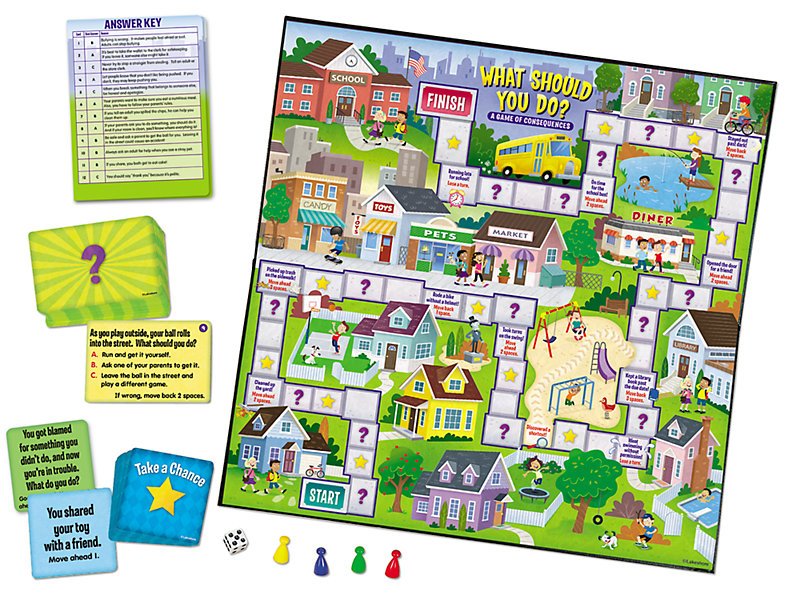
When playing a game of consequences, you should contribute a sentence or phrase to a story without knowing the previous entries, often creating humorous or unexpected results.
Have you ever stumbled upon a game that’s just pure, silly fun? That’s exactly what a game of consequences provides. It’s a simple, yet brilliant, activity, great for laughs and unexpected narratives. The beauty of what should you do game of consequences, lies in its unpredictability. You’ll find yourself building strange stories in no time.
Each person adds their part to the narrative, without seeing what was written before. This lack of context often results in hilarious, nonsensical plots. It’s a perfect party game, or a fun way to spend an afternoon.

What Should You Do Game of Consequences
The “What Should You Do” game, also known as the game of consequences, is a fun and creative activity that can be enjoyed by people of all ages. It’s a fantastic way to spark imagination, encourage collaboration, and get everyone laughing. But what exactly is it, and how do you play? Let’s dive deep into the world of this exciting game.
Understanding the Basics of the Game of Consequences
At its core, the game of consequences is a story-telling game where each player contributes a small part to the narrative. What makes it unique is that you don’t know what the other players have written until the very end! This surprise element is what makes it so hilarious and engaging. The game typically follows a simple structure, with each person writing something different to add to the story. These parts are usually written on a piece of paper and then folded over to hide what was written.
Common Elements in a Game of Consequences
While the specifics can vary, most versions of the game include these core components:
- A Character: The story usually starts with a character, someone or something that will be the focus of our tale.
- A Setting: Where does the story take place? It could be a fantastical land, a familiar location, or anything else you can imagine!
- An Action: What does the character do? This adds the element of plot into the game.
- A Result or Consequence: What happens because of the action? This can be funny, serious, or completely absurd.
- A Feeling or Emotion: How does the character feel at the end of the story? This adds a personal touch.
The Magic of Collaboration Without Knowing
The real beauty of the game lies in the fact that each person writes their part of the story without seeing what others have written. This lack of prior knowledge leads to unexpected twists and turns, which is what makes it such a fun party game, or a great way to spend time with family. It’s like a creative collaboration where everyone’s individual contribution is a surprise to everyone else.
How to Play Step-by-Step
Now that you understand the basics, let’s look at a detailed step-by-step guide on how to play the game of consequences:
- Gather Your Supplies: You’ll need some paper and pencils or pens. It’s a good idea to have a few sheets of paper per player. You can also use a digital document or notepad if you prefer.
- Start with the First Instruction: The first player writes a character in the story. For example, it could be ‘A brave knight’, ‘A playful puppy’, or ‘A grumpy wizard’. After writing it, fold the top of the paper over to hide what was written and pass the paper to the next person. Make sure to fold the paper so the next person cannot see what you have written.
- Continue with the Second Instruction: The second player now writes a place where the story is set. They might write ‘In a magical forest’, ‘At a birthday party’, or ‘On a distant planet’. Again, fold the top of the paper to hide their writing and pass it on.
- Keep Following the Instructions: Continue around the circle, each player adding their element to the story. The usual sequence is:
- A Character
- A Setting
- An Action
- A Result
- A Feeling/Emotion
You can change or add different categories as you please. Just make sure everyone understands the sequence before starting.
- The Grand Reveal: Once the last person has added their part, unfold the paper and read the complete story aloud! Get ready for some laughs as you discover the hilarious and unexpected consequences of your collaborative storytelling.
Variations and Creative Twists
The game of consequences is incredibly flexible. You can change the rules and categories to add your own unique touch to the game. Here are a few ideas for variations:
Theme-Based Stories
Choose a specific theme for the game. This could be a holiday, a genre (like science fiction or mystery), or even a particular book or movie. This can help focus the creativity and produce even more interesting stories. For example, if the theme is “superheroes,” the character could be a superhero, the setting a city under attack, and the action fighting a villain.
Adding Dialogue
Include a category where players add a short line of dialogue for the character. This can inject more personality and humor into the story.
Visual Consequences
Instead of writing a result, have players draw a simple picture that visually represents the consequence of the action. This adds another layer of fun, especially for those who enjoy drawing.
The “Who, What, Where, Why” Method
Instead of the standard categories, try using “Who, What, Where, Why.” This encourages players to think about character actions in more detail.
Using Specific Words
Before starting, give each player a word or phrase they must include in their sentence. This adds an extra challenge and can lead to some very funny results. For instance, you can give them a random word such as ‘telephone’ or ‘watermelon’ to use.
Why The Game of Consequences is Great
Beyond just being fun, the game of consequences has several benefits:
Encourages Creativity
The game is a great way to spark creativity. The random nature of the game encourages everyone to think outside the box and come up with unique ideas. It can be great to help those who struggle with creativity or just to help them try new things.
Promotes Collaboration
Even though everyone is writing independently, the end result is a collaborative story. This encourages team spirit and shows how different ideas can come together to create something unexpected.
Improves Storytelling Skills
Participating in the game can help develop storytelling skills. You’re thinking about characters, settings, actions, and consequences in a structured way, even if it’s in a slightly silly context.
Provides Laughter and Entertainment
Above all, the game of consequences is just good fun! The unexpected and hilarious stories will have everyone laughing and enjoying themselves. It’s a great way to loosen up and enjoy each other’s company.
Adapting the Game for Different Ages and Groups
One of the best things about the game of consequences is how adaptable it is. Here’s how you can tailor it for different ages and groups:
Playing with Younger Kids
For younger children, keep the categories simple and use pictures instead of words when needed. You can also do the writing for them, and have them dictate. It is important to make sure that they have fun and it is easy to understand.
Playing with Teens
Teenagers might appreciate more complex or edgy themes. They might also enjoy adding dialogue or more detailed character descriptions.
Playing with Adults
Adults can have a lot of fun with inside jokes, cultural references, and more elaborate storytelling. You can also incorporate more specific or detailed categories, like ‘the problem’ or ‘the solution’.
Tips for Making Your Game Even Better
Here are some tips to help make your game of consequences even more enjoyable:
- Set the Stage: Create a fun atmosphere by playing some light background music or having some snacks on hand.
- Be Specific: When giving instructions, be specific as possible to avoid confusion. If you want a character, ask for it clearly, if you want a setting, ask for that as well.
- Don’t Overthink It: The beauty of the game is in its spontaneity. Don’t worry too much about being “correct,” just have fun and let your imagination run wild.
- Mix It Up: Don’t be afraid to mix up the rules. Add new categories, change the order, or create your own unique twists.
- Encourage Silliness: The sillier, the better! Don’t hold back on creativity. Encourage everyone to go all out with their ideas.
Common Mistakes to Avoid
While the game is straightforward, it’s easy to make a few mistakes. Here are some common pitfalls to avoid:
- Not Folding Properly: Make sure the paper is folded so that what you have written can not be seen by others, to keep the game fun and surprising.
- Not Being Clear: If someone is unsure of what to write, it is important that you clarify the instructions for them so they can understand.
- Trying to be too Serious: Don’t try to make the story too serious. The whole point is for it to be light and fun, so relax and enjoy the creative process.
- Forgetting to Read Aloud: The grand finale is reading the stories out loud, so don’t forget this crucial step.
Real-World Examples of Fun Story Lines
To spark your creativity, here are a few imaginary story lines that could emerge from a game of consequences:
Example 1:
- Character: A clumsy penguin
- Setting: On a pirate ship
- Action: Tripped over a cannonball
- Consequence: Started a dance party
- Feeling: Overjoyed
Example 2:
- Character: A magical unicorn
- Setting: In a school library
- Action: Sneezed glitter
- Consequence: The books started to sing
- Feeling: A little embarassed
Example 3:
- Character: A grumpy dragon
- Setting: At a fancy restaurant
- Action: Ordered a giant ice cream
- Consequence: The restaurant turned into a playground
- Feeling: Very Happy
The game of consequences is a wonderful activity for all ages. It is a simple, yet entertaining game that gets everyone engaged and laughing, while also being a great way to develop your creative skills. Whether you’re playing with friends, family, or even just by yourself, the possibilities are endless, and the laughter is guaranteed.
Games where your decisions have consequences (part 2)
Final Thoughts
In essence, you must carefully consider each action’s potential chain of reactions. Don’t jump in without thinking through the possible results.
Before making a decision, pause and mentally map out the likely outcomes. Think beyond the immediate effect.
So, what should you do game of consequences? The key lies in mindful planning; predict the ripples of your choices.

