
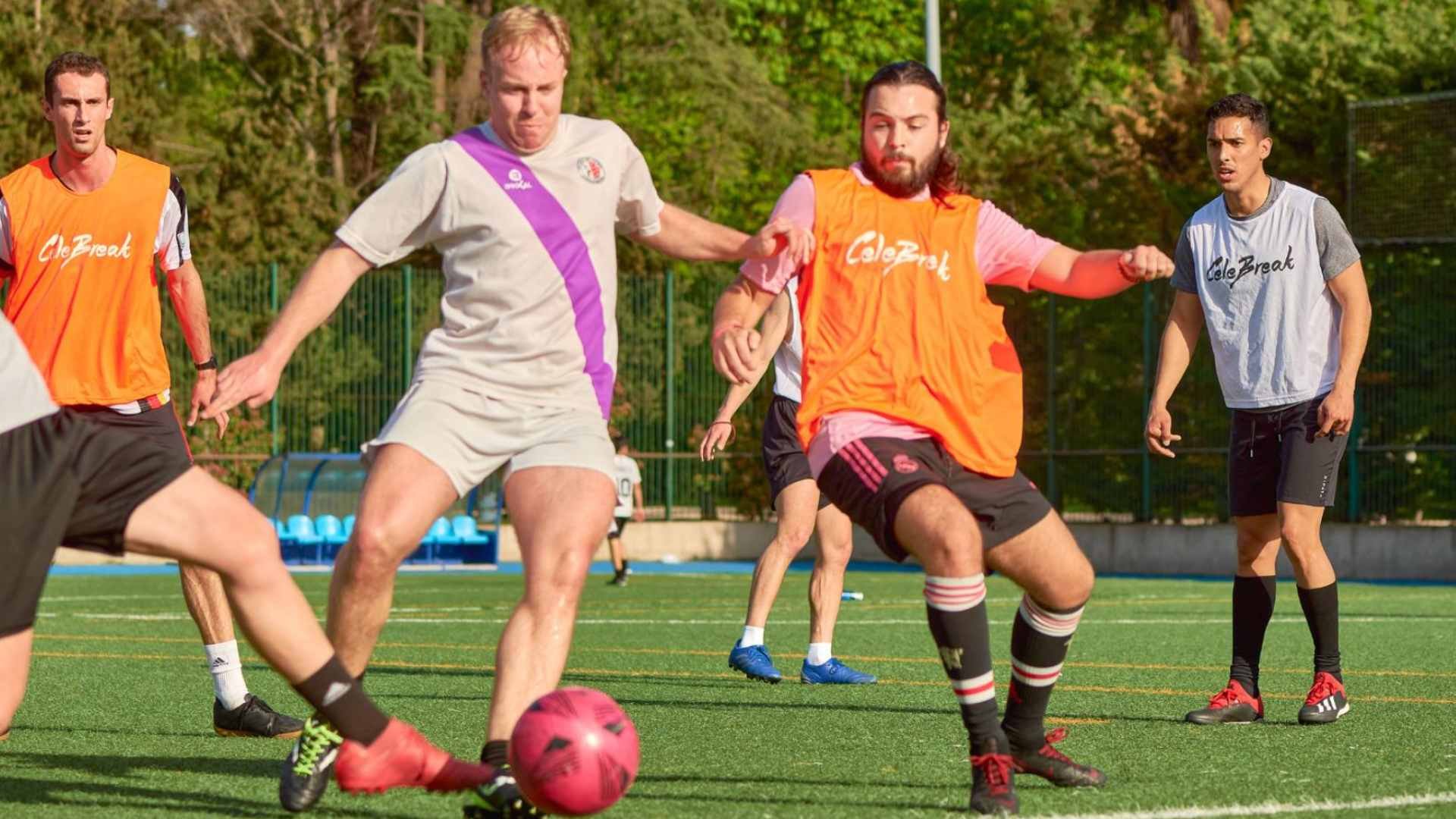
Before a soccer game, properly hydrate, warm up with light cardio and dynamic stretches, and review game plan with your team.
Game day is approaching, and the excitement is building! But, before you step onto the field, knowing what to do before soccer game is crucial for optimal performance and injury prevention. Proper preparation sets you up for success.
It’s not just about skill, it’s about how you prepare your body and mind. You should focus on getting ready in the hours leading up to the kick off.

What to Do Before a Soccer Game: Your Ultimate Game Day Guide
Okay, soccer stars! You’ve got a big game coming up, and you’re probably feeling a mix of excitement and maybe a little bit of those pre-game jitters. That’s totally normal! But guess what? There’s a lot you can do before the whistle blows to get your body and mind ready to play your best. This isn’t just about showing up; it’s about preparing to shine. Let’s dive into everything you should be doing to get game day ready!
Fueling Your Body: The Pre-Game Meal
Think of your body like a car. It needs the right fuel to perform well. You wouldn’t put soda in a race car, would you? Same goes for your body. Eating the right food before a soccer game gives you the energy you need to run, jump, and kick like a pro.
What to Eat
The best foods before a soccer game are those that are easy to digest and provide lasting energy. We’re talking about foods rich in carbohydrates, which are your body’s main source of fuel. Avoid things high in fat or fiber, as they can make you feel sluggish or upset your stomach. Here are some great options:
- Whole Grain Toast: With a little bit of jam or honey for quick energy.
- Oatmeal: A classic choice that provides sustained energy. You can add some berries or a banana for extra goodness.
- Pasta: A good source of carbohydrates, especially if you choose whole wheat pasta. Go for a simple tomato sauce instead of a heavy cream sauce.
- Banana: Easy to carry and gives you a potassium boost.
- Plain Yogurt with Fruit: A light and nutritious option.
- Rice: Similar to pasta, provides carbohydrates for energy.
Timing is Key
Don’t eat a huge meal right before your game. Try to eat your main pre-game meal about 3-4 hours before the game starts. This gives your body enough time to digest the food and turn it into energy. If you’re going to have a pre-game snack, do that about 1-2 hours before the game.
Foods to Avoid
Just as important as knowing what to eat is knowing what NOT to eat. Avoid these foods before a game:
- Fried Foods: Like french fries or fried chicken. They’re too heavy and will make you feel slow.
- Sugary Drinks: Soda, juice, and sugary sports drinks cause a quick energy spike followed by a crash.
- Greasy Foods: Hamburgers or pizza can be tough on your stomach before physical activity.
- Spicy Foods: These can cause stomach upset.
- Lots of Fiber: While fiber is usually good, too much before a game can lead to discomfort. Think about limiting your intake of beans or very fibrous vegetables.
Hydration: Staying Properly Watered
Water is your best friend when it comes to soccer. Dehydration can make you feel tired and weak, and no one wants that during a game. You need to make sure you are drinking enough water leading up to the game, and also during the game as well.
How Much Water?
It’s a good idea to drink water throughout the day, not just right before a game. Try to drink at least 8 glasses of water each day. Here’s a good timeline:
- The Day Before: Drink lots of water to get a good start on hydration.
- The Morning Of: Continue sipping water regularly.
- An Hour Before: Drink a good-sized glass of water.
- During the Game: Take small sips whenever you get a break.
- After the Game: Rehydrate to replenish lost fluids.
Sports Drinks
While water is the best choice most of the time, sports drinks can be helpful during the game for longer matches or games on very hot days. Sports drinks contain electrolytes that you lose when you sweat and also some carbohydrates. Be careful not to drink too much as they can also have a lot of sugar, which can cause a crash.
What to Avoid
- Sugary Drinks: Soda, juice, and other sugary drinks can actually make you dehydrated.
- Too Much Caffeine: While some caffeine may seem like a good idea, it can cause you to get dehydrated and may make you nervous.
Physical Preparation: Warming Up Your Body
Just like you wouldn’t start running a race without stretching, you shouldn’t start a soccer game without warming up your muscles. Warming up makes your muscles ready to move and helps to prevent injuries.
Dynamic Stretching
Dynamic stretching is all about movement. Instead of holding a stretch in one position, you move through a range of motion. Here are some examples:
- Arm Circles: Move your arms in circles forwards and backward.
- Leg Swings: Swing each leg forward and backward.
- Torso Twists: Gently twist your upper body from side to side.
- High Knees: Bring your knees up high as you jog in place.
- Butt Kicks: Kick your heels towards your bottom as you jog in place.
Light Cardio
Before you get into dynamic stretching, begin with a light cardio workout for five to ten minutes. This can be a slow jog, jumping jacks, or even jumping rope. This helps get your heart rate up a bit and gets blood flowing through your body.
Why is Warming Up Important?
A good warm-up does several important things:
- Increases blood flow to your muscles.
- Helps make your muscles more flexible and ready to move.
- Prepares your heart and lungs for the activity.
- Can help prevent injuries.
Mental Preparation: Getting Your Head in the Game
Soccer is not just about being physically ready, it’s about being mentally ready too. Your mind is just as important as your body when it comes to soccer success. Here are some ways to get your head in the game.
Visualization
Visualization is like watching a movie in your head. Before the game, close your eyes and picture yourself playing your best. Imagine yourself making great passes, scoring awesome goals, and playing good defense. This can help you feel more confident and prepared when the game begins.
Positive Self-Talk
The way you talk to yourself is super important. Instead of thinking negative thoughts like, “I’m not going to do well,” try saying positive things to yourself like, “I’m a good player and I’m going to do my best today.” Positive self-talk can make you feel more confident and motivated.
Focus and Concentration
Distractions can be a problem during a game. Before the game, try to find a quiet place where you can focus on your goals. Think about what you want to accomplish in the game. Focusing on your goals will help you stay focused during the game itself.
Calm Your Nerves
Feeling nervous before a game is normal. But it is important to find ways to manage your nerves. Try taking some deep breaths to help calm your mind and body. Sometimes listening to music can also help calm your nerves.
Equipment Check: Making Sure You’re Prepared
Imagine getting to the field and realizing you forgot your cleats! That wouldn’t be good, right? Checking your equipment before the game is super important, and saves you time and hassle. Make sure everything is ready to go, so you can focus on playing.
What You Need
Here’s a checklist of things to double-check before you head to the field:
- Soccer Cleats: Make sure they fit well and are tied properly.
- Shin Guards: These protect your shins. They should fit snugly.
- Socks: Make sure you have your soccer socks, and bring an extra pair just in case.
- Shorts: Have your soccer shorts with you.
- Jersey: Make sure you have your team jersey, and it is the right one.
- Water Bottle: It’s very important to have your water bottle filled before the game.
Double-Check
It’s a good idea to check everything the day before the game and pack your bag so you’re not rushing at the last minute. This way, if you discover something is missing, you’ll have time to get it before the game.
Special Equipment
If you are a goalkeeper, make sure you have your gloves. If you wear glasses, it is important to use a band so they do not fall off during the game. Also if you wear any braces or other medical equipment, make sure to have them on before the game.
Arrival Time: Being Punctual
Being on time is a sign of respect for your teammates, coaches, and the game itself. You do not want to rush right before the game begins. Arriving early gives you time to get ready and calm your nerves. It also allows you to talk to your teammates and coaches before the game begins.
Aim to Arrive Early
Generally, you should aim to arrive at the soccer field about 60-90 minutes before the game begins. This will give you time to:
- Change into your uniform
- Warm up properly
- Get to the field and do some practice with your teammates.
- Talk to your coach
- Mentally prepare yourself for the game.
Rushing is Bad
Arriving late can make you feel stressed and rushed, which can impact your performance during the game. You also may not have enough time to properly warm up, which can increase your chances of injury.
Planning Ahead
To avoid being late, plan your journey and consider traffic, especially if it is further away. Remember, it’s always better to be early than late.
Team Talk: Connecting with Your Teammates and Coaches
Soccer is a team sport. Talking to your teammates and coach before the game is important for working together effectively on the field. This is a chance to go over any last-minute plans or strategies before the game begins.
Listen to Your Coach
Your coach will likely go over the plan for the game. Pay close attention and ask questions if you don’t understand something. Your coach wants you to succeed so do your best to listen to what they have to say.
Talk to Your Teammates
Get together with your teammates and talk about what you want to accomplish during the game. You can encourage each other and get everyone excited to play. Having a quick pre-game chat is important for having good teamwork on the field.
Be Positive
Keep your discussions positive, and encourage each other. Negative talk can bring down the entire team’s confidence. The more confidence your team has the more success you will have during the game.
Final Pre-Game Check
Right before you take to the field for kick off is the final check. This is the last chance to make sure everything is in place before the game begins.
Last Minute Adjustments
Take a final moment to do these things:
- Adjust your Cleats and Shin Guards: Make sure everything is still in place.
- Take a Bathroom Break: Don’t start the game feeling uncomfortable.
- Quick Stretch: Just a quick stretch to make sure you are warmed up and ready to go.
- Deep Breaths: Take a few deep breaths to calm your mind.
Positive Mindset
Just remind yourself of the good things, and that you are ready to play your best. The more confidence you have the better you will perform.
Preparing for a soccer game is more than just showing up. It’s about taking care of your body and mind so you can perform your best. By following these tips, you’ll be ready to play hard and have a fantastic game! Remember, practice makes progress, and with good preparation, you’ll be shining on the field. Now get out there and have fun playing soccer!
3 Foods that You Need to Eat Before a Soccer Match #shorts
Final Thoughts
Proper warm-up, including dynamic stretches, must prepare your muscles. Hydration and light, nutritious meal fuels your body effectively. Also, mental preparation, focusing on strategy, is vital.
Review team tactics briefly and make sure your gear is ready. Doing this before soccer game minimizes stress and maximizes performance. So, remember what to do before soccer game to play your best.

