
The generally accepted answer for the first horror game is 1972’s Haunted House, a text-based adventure for the HP 2000.
Ever wondered about the origins of fear in video games? We often explore the latest terrifying releases, but thinking back, it begs the question, what was the first horror game? Early video game development experimented with many themes, some now long forgotten. The answer to this question, while seemingly simple, reveals a fascinating history. Let’s delve into the murky past and see where the genre’s chills began.

What Was the First Horror Game?
Figuring out the very first horror game is like trying to find the start of a winding, spooky path. It’s not as simple as pointing to one game and saying, “That’s it!” The idea of what makes a game scary has changed a lot over time. What frightened players in the early days might seem tame to us now. So, we need to look back at the history of video games and think about what people considered “horror” back then. Instead of one clear answer, we find a collection of games that helped create the horror genre we enjoy today.
Early Text-Based Adventures and the Seeds of Fear
Before we had the stunning graphics of modern games, we had text. Imagine reading a scary story where you decide what happens next. That’s what early text-based adventures were like. These games, often played on computers with very basic displays, used words to paint pictures in the player’s mind, which could be incredibly effective at building suspense and fear. While these games might not look like horror games we know today, they started many of the ideas that later became crucial to the genre.
Haunted Houses and Mysterious Mansions
One of the earliest forms of horror that crept into text adventures revolved around haunted places. Games featuring mysterious mansions or creepy castles where something sinister lurked was a popular theme. Players explored room after room, reading descriptions of dusty books, cobweb-covered furniture, and strange noises, which made them feel a little uneasy. The feeling of being alone in a dark, unknown place was a key element of the fear they conveyed. You had to use your imagination to fill in the gaps, and sometimes, what you imagine can be far scarier than what you actually see.
- Colossal Cave Adventure (1976): This game isn’t strictly horror, but it contains elements that can be seen as precursors to the genre. The cave itself, with its echoes and dark, unknown passages, could inspire a sense of unease.
- Mystery House (1980): While it had simple graphics, its story about exploring a house where a murder had occurred definitely had a spooky feel. It was one of the first games to include visuals, which made the atmosphere even more haunting.
The Dawn of Pixelated Horror
As graphics started to appear in games, so did new ways to frighten players. The jump from pure text to simple pixelated images allowed developers to create visual scares. These early games might not have looked scary by today’s standards, but back then, they were pretty effective at making players jump or feel anxious.
Graphical Advancements and Growing Unease
The move towards graphics, however basic, made a significant impact. Games could now show creepy monsters, spooky environments, and unsettling objects directly on the screen, rather than relying only on the player’s imagination. This created a different kind of fear – the fear of seeing something unexpected and frightening.
- Haunted House (1982): This Atari 2600 game is a clear example of early pixelated horror. The goal was to find pieces of an urn in a spooky, maze-like house, and the game did everything it could to make you feel on edge. Bats would swoop down, spiders would crawl across the screen, and ghosts would move randomly, making it challenging to navigate.
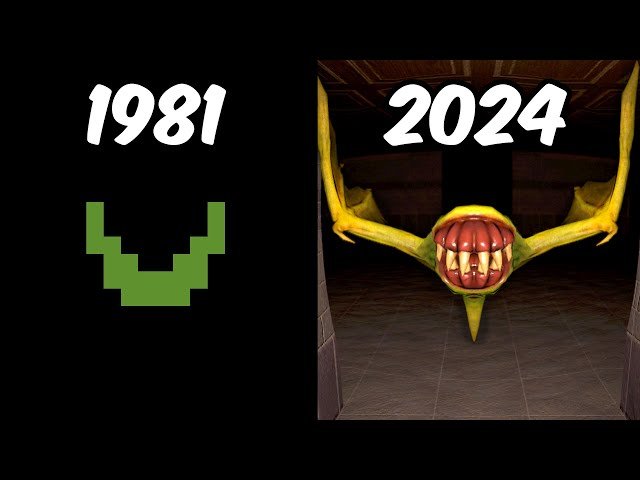
- 3D Monster Maze (1981): This game might not be scary today, but back then, a maze where you were chased by a T-Rex was considered the epitome of fear. The fact it was a maze that you couldn’t escape made the tension very real.
- Project Firestart (1989): Though from a slightly later period, Project Firestart added science fiction elements to the horror formula. It’s an early example of using atmosphere and suspense to build a creepy environment.
These early graphics added a new layer to the horror experience. Suddenly, the fear wasn’t just from your imagination; it was right there on the screen. It might have been pixelated, but it was enough to get the player’s heart racing.
Survival Horror Emerges and Transforms the Genre
Around the mid-1990s, a new type of horror game began to surface – survival horror. This type of game moved past jump scares and incorporated limited resources, puzzle-solving, and a tense atmosphere to make the player feel vulnerable and terrified. These games really shaped how we think about horror games today.
Pioneering the Survival Horror Formula
Survival horror games are all about feeling helpless and alone. Unlike action games where you are a powerful hero, in these games you are usually a regular person trying to survive in a dangerous situation. You might have limited bullets or bandages, forcing you to think about every move. These limitations were key to making the games truly scary.
- Alone in the Dark (1992): This game is often cited as one of the earliest examples of the survival horror genre. With its fixed camera angles and creepy atmosphere, it created a sense of dread and made players feel like they were actually in a scary movie. The creepy mansion and monster-filled environments were truly groundbreaking.
- Sweet Home (1989): This title was a predecessor to games like Resident Evil, blending RPG elements with survival horror. It was based on a Japanese horror film, showing how early horror games were influenced by other media.
- Clock Tower (1995): A game where you are stalked by a relentless killer with giant scissors. This game focuses on hiding and running rather than fighting which makes it even more intense.
These games emphasized atmosphere, puzzles, and limited combat, creating a more suspenseful and terrifying experience than previous generations of horror games. The focus shifted from pure shock value to psychological horror.
Psychological Horror and the Importance of Atmosphere
Along with gameplay, developers began to use atmosphere to scare players. This involved more than just jump scares; it was about creating a feeling of dread and unease. Music, sound design, and level design all worked together to create an environment that felt unsettling and dangerous. Slow pacing and creepy sounds were used to increase tension. The fear in these games is not just what you see but what you feel.
Early survival horror used fixed camera angles, which added to the suspense. You couldn’t always see what was around the corner, which made every step feel dangerous. These design choices were important in how they made the player feel while playing.
Defining Horror: More Than Just Jumpscares
As games evolved, so did the ways they attempted to scare players. It’s more than just monsters jumping out at you. The best horror games make you feel uneasy, anxious, and genuinely afraid. They do this through a combination of different elements.
The Combination of Elements
A combination of different game elements creates a complete and engaging horror experience.
- Sound: The use of sounds and music can have a huge impact on the horror experience. The simple sound of creaking doors, footsteps in the distance, or the creepy music can be just as scary as any monster.
- Visuals: The way a game looks plays a major role in the horror experience. Dark lighting, creepy environments, and frightening character designs can all contribute to the scary feeling.
- Story: A good story can be very scary. When you feel invested in the characters and the world, the fear becomes more personal and real. Knowing that danger awaits characters you care about makes you scared.
- Gameplay: Limited resources, a tense atmosphere, and the feeling of being vulnerable can make a game very scary. When you know that one mistake could lead to death, every choice becomes incredibly stressful.
These elements are all combined to create the ultimate horror game. When these are done well, they make the game immersive and terrifying for the player.
The Subjectivity of Fear
It’s crucial to remember that what scares one person might not scare another. Some people are more afraid of ghosts, while others are afraid of monsters. Some prefer the quick shock of a jump scare, while others enjoy a slow-burn of psychological dread.
What makes a horror game “good” is therefore also subjective. It is a matter of personal taste whether a game that relies on suspense is superior to one that relies on jump scares, and it is important for game developers to consider what their target audience is looking for in a game.
So, what was the first horror game? There is no single easy answer to that question. It’s a story that has evolved over time. From the early days of text-based adventures to the rise of survival horror, games have continually tried to scare us in different ways. While a game like “Haunted House” could be seen as an early, more clear example of horror, those text adventures did lay the groundwork. Ultimately, the beauty of horror games is that they continue to evolve, finding new and creative ways to give us a good scare, making the next generation of games even more frightening than the last.
Horror Games That Were Based On True Events #shorts
Final Thoughts
The historical gaming record indicates Haunted House (1972) as a very early example. Maze (1981), introduced graphical elements which also created a feeling of dread. This exploration of early games helps trace horror’s evolution.
Deciding what was the first horror game ultimately comes down to defining “horror.” Both games provided an unnerving gaming experience, thus forming foundation to the genre. Haunted House is mostly cited as the most basic of all.

