
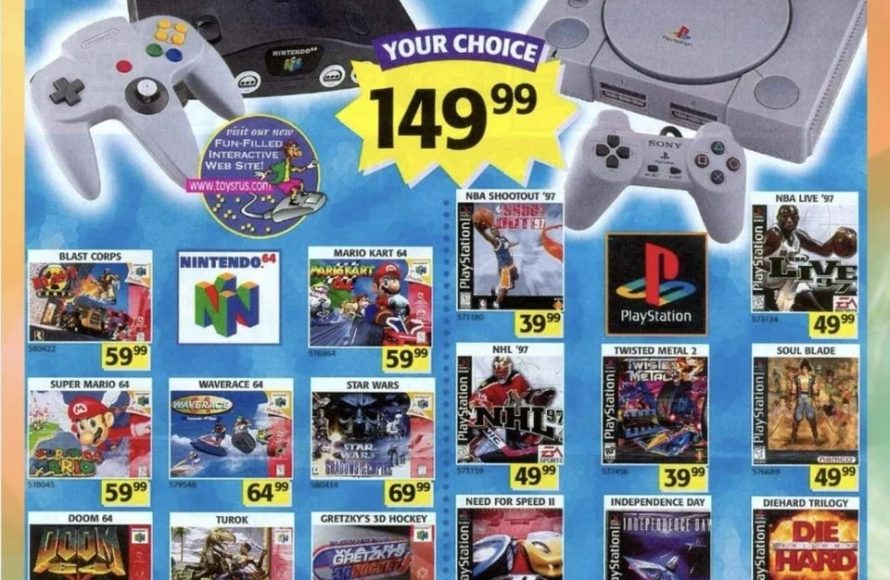
The average prices for games in 1990 typically ranged from $30 to $60, depending on the console and the game itself.
Remember those days of video game shopping? You walked into a store with a pocket full of allowance money, ready to dive into new digital worlds. But how much did you actually pay back then? Today, we explore a little bit of gaming history, specifically focusing on what were the pricing for games in 1990.
It’s interesting to think back on the costs associated with gaming’s golden era. The pricing structure was quite different from today’s digital downloads. This was a time of cartridges and physical media!

What Were the Pricing for Games in 1990?
Alright, let’s take a trip back to 1990! If you were a kid (or a cool adult) who loved video games, you know this was a totally awesome time. But how much did those games actually cost? Well, it wasn’t as simple as picking something up for a few dollars at the store. Game prices back then were different from what we see today, and understanding them gives us a peek into the gaming world of the past.
The Main Players: Consoles and Their Prices
In 1990, several big gaming consoles ruled the scene. These were like the superheroes of home entertainment, and each one had its own price tag. Let’s break down the main consoles of the era and get an idea of how much they cost to buy.
Nintendo Entertainment System (NES)
The NES was still a major player in 1990, even though it had been around for several years. By this time, the console price had actually dropped, making it more affordable to get into the world of Mario, Zelda, and Metroid.
- Console Price: Around $89-$129. Prices often varied based on retailer and if bundled with extra controllers or a game.
- Games: Typically, NES games hovered around $30-$50 each.
Sega Genesis (Mega Drive Outside of North America)
Sega’s Genesis was the new, cool console on the block, really trying to challenge the NES. This meant the console itself was a bit more expensive, but it also brought with it some cutting-edge (for the time) graphics and sound.
- Console Price: $189-$200. This higher price reflected its more advanced hardware and positioning.
- Games: Genesis games were usually in the $40-$60 range, slightly more than most NES games.
Super Nintendo (SNES)
Although the SNES didn’t launch in North America until 1991, it was available in Japan in 1990. So, while most Americans wouldn’t have experienced it this year, it is still relevant to the overall discussion of the era.
- Console Price (in Japan, for reference): The Super Famicom (the Japanese SNES) launched at ¥25,000 (around $170 at the time), which was a premium price.
- Games (in Japan, for reference): Games for the Super Famicom were generally priced between ¥6,000 – ¥8,000 (around $40-$55 at the time).
Other Notable Consoles
Other consoles were available in 1990, although they did not have the same impact on the market as the NES and Sega Genesis. These include the Atari Lynx, the TurboGrafx-16, and handhelds such as the original Game Boy.
- Atari Lynx: The Atari Lynx was one of the earliest handheld color gaming systems that had a higher price of $180 – $200, with games priced between $30 and $40.
- TurboGrafx-16: This console had a starting price around $190-$200 with games selling for about $30-$50.
- Game Boy: Game Boy was priced more affordably at around $89-$100 with games typically at the $20-$30 price point.
The Cost of Games: Beyond the Console
Buying the console was only the first part of the journey. You also needed games to play! Game prices varied, but in general, they were more expensive than today, especially when you adjust for inflation. Let’s look at the common price ranges for games in 1990.
NES Game Prices
NES games generally had a solid price point. If we compare to other games, it was usually the most affordable option. However, compared to today’s prices, these still weren’t cheap!
- Typical Price Range: $30 to $50 per game.
- Popular Titles: Games like Super Mario Bros. 3, The Legend of Zelda, and Metroid fell into this range.
- Why the Price: Cartridges were expensive to manufacture, and the technology was still somewhat new.
Sega Genesis Game Prices
The Sega Genesis games were a little pricier than those for the NES, reflecting its higher-end hardware and newer status.
- Typical Price Range: $40 to $60 per game.
- Popular Titles: Games like Sonic the Hedgehog, Altered Beast, and Streets of Rage were in this price bracket.
- The “New Tech” Premium: The slightly higher price reflected the perceived advantage of 16-bit graphics over the 8-bit NES.
Handheld Game Prices
Handheld games on systems like the Game Boy were usually less expensive than the console games.
- Typical Price Range: $20 to $30 per game.
- Popular Titles: Games like Tetris, Super Mario Land, and Pokemon Red and Blue were available at this price (though Pokemon itself came a little bit after 1990).
- Why the Difference: Handheld games tended to have simpler graphics and gameplay, which translated to lower manufacturing costs.
Factors Influencing Game Prices
Several factors affected game pricing in 1990. It wasn’t just random. Let’s see some of those factors that played an important role for setting the game prices back then.
Manufacturing Costs
The cost of making game cartridges played a huge role in the price. Back then, cartridges weren’t simple to produce and included expensive components like chips and the plastic casing.
Development Costs
Developing a video game took time, effort, and resources. This included the cost of paying programmers, artists, and sound designers. All of these costs impacted the final price on the shelf.
Popularity and Demand
Just like today, popular games tended to hold higher price tags. The higher the demand, the more retailers could ask. Games like Super Mario Bros. 3 or Sonic the Hedgehog were in very high demand, which contributed to their price.
Retailer Markup
The stores that sold games needed to make a profit too. Each retailer added a bit to the price to cover their costs and make money. Some retailers had bigger markups than others.
Licensing Fees
If a game used a popular character or intellectual property, the developer also had to pay a licensing fee. This was another cost that was usually reflected in the selling price of the game.
Adjusting for Inflation: How Much Would Games Cost Today?
Now, here’s the real question. What did those prices mean then, compared to today? It’s not as simple as just looking at the dollar amount. We need to take inflation into account to see how much games actually cost in today’s money.
The Impact of Inflation
Inflation is the general rise in prices over time. What cost $1 in 1990 would cost more today. Using an inflation calculator can show us the relative cost.
Let’s take some examples:
- A $40 NES game in 1990 would be equivalent to about $95 today.
- A $50 Sega Genesis game in 1990 would be about $119 in today’s money.
- Even a $25 Game Boy game is about $60 today.
As you can see, games were quite expensive in 1990 when we consider it through today’s eyes. If you think that modern games are expensive, then game prices in 1990 were quite a bit more expensive in comparison.
Why Inflation Matters
Understanding inflation helps us see how much money people really spent on games. It also highlights why gaming might have been an even bigger splurge back then compared to today. When we say a game cost $50 in 1990 it didn’t feel same as $50 today.
The Value Proposition
Despite the price, games in 1990 provided hours of entertainment. They provided a great value in terms of the fun, excitement, and engagement they provided. Many people played games with family and friends, creating shared experiences, and for many people gaming was a hobby that gave them a huge amount of enjoyment.
Lasting Memories
The value of those games in 1990 is not just about the money. It’s also about the memories we made playing them. The nostalgia factor is very real, and many people still have fond recollections of playing these games. Many people love to share these memories with their children and grandchildren now.
Comparing to Today’s Gaming
Comparing prices in 1990 to today is very difficult because today games are more advanced and are able to offer so much more than they could in 1990. Modern games also offer online play, which was not really available in 1990. The modern games are also much more expensive to make than the games from 1990 and modern gaming has a huge infrastructure including online stores, online multiplayer, etc.
Also, prices today are more varied. Some games are free to play, whereas others are premium purchases. The market is much more complex now. So, it is difficult to directly compare.
So, there you have it! Game prices in 1990 were quite different from today. Consoles and games were expensive, particularly when you adjust for inflation. However, they offered an amazing entertainment value. They gave us tons of enjoyment, allowing us to develop memories we still cherish today. Taking a trip back in time and understanding game prices gives us a better picture of the gaming industry and how it evolved.
The Games Of '90 – The Price Is Right
Final Thoughts
Game prices in 1990 varied depending on the platform and title. Nintendo games for the NES often ranged from $40 to $60. Super Nintendo titles, which came later in 1990, could reach slightly higher price points.
Sega Genesis games generally sat within a similar $40 to $60 range. These prices represented a significant investment at the time. The cost of cartridges contributed to what were the pricing for games in 1990.

