
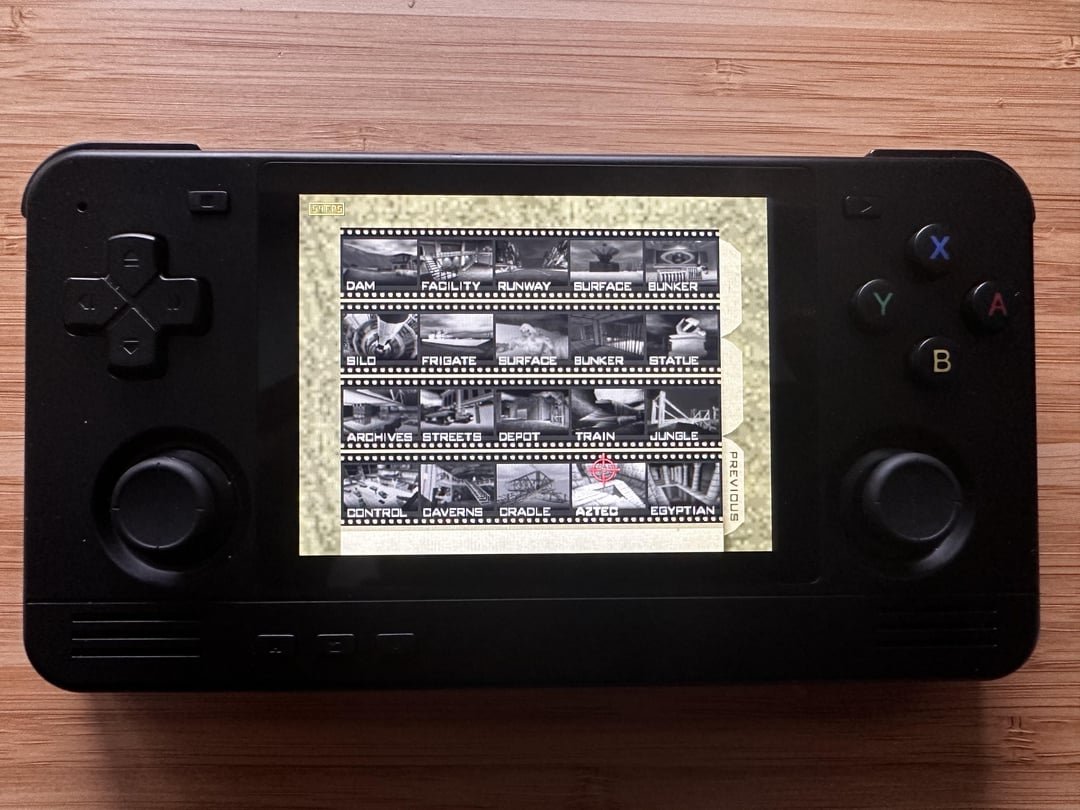
FPS games are video games where you experience the action from a first-person perspective, viewing the world through the eyes of your character, primarily focusing on shooting.
Ever wondered about the intense action you see in gaming videos? It’s often a glimpse into the world of first-person shooters. You may have heard someone ask ‘whats fps games,’ well, they’re the games where you see through the character’s eyes.
These games put you right into the thick of the action, often involving fast-paced combat. Think of holding a weapon and navigating through virtual worlds. These immersive experiences are a core part of the gaming landscape.

What’s FPS Games? Exploring the World of First-Person Shooters
Have you ever played a video game where you see the world through the eyes of your character, holding a gun or some other weapon? If so, you’ve probably experienced the exciting world of FPS games! FPS stands for “First-Person Shooter.” It’s a type of video game where you play from a first-person perspective, meaning you see the game world as if you were actually there, looking out of your character’s eyes. This perspective puts you right in the middle of the action, making it feel like you’re really part of the game.
The Core Elements of FPS Games
At the heart of every FPS game are a few key ingredients that make them so popular. These elements work together to create a thrilling and immersive experience. Let’s break down what makes an FPS game tick:
First-Person Perspective
The most obvious element is, of course, the first-person view. This is what sets FPS games apart from other types of games. Instead of seeing your character from behind or from a side view, you see the world directly through their eyes. This makes the game feel very personal and immediate. Imagine looking through a window – that’s how you experience the game world in an FPS. This view really pulls you into the game and makes every encounter feel more intense.
Shooting Mechanics
The “shooter” part of FPS is also super important. Shooting is a central action in these games, whether it’s with guns, lasers, or other kinds of weapons. The way the weapons work in the game greatly affects how it feels to play. Some games have weapons that feel powerful and heavy, while others feature weapons that feel lighter and quicker. Learning how to aim, reload, and use different weapons effectively is a big part of playing any FPS. Some games focus on fast-paced shooting, while others might emphasize more strategic and tactical engagements.
Combat and Action
FPS games are usually action-packed, and combat is a huge part of that. You’ll be facing enemies, whether they are other players in multiplayer modes or computer-controlled opponents in single-player campaigns. The combat can involve running, jumping, hiding, and using different strategies to outsmart or overpower your opponents. These games often challenge your reflexes, aim, and your ability to make quick decisions in the heat of battle. The goal is usually to eliminate enemies, complete objectives, or defend yourself or teammates.
Movement and Navigation
Moving around is also a crucial aspect of FPS games. You need to explore the game’s world, navigate through maps, and position yourself effectively during combat. Most FPS games will include the ability to walk, run, jump, and sometimes even crouch, slide, or climb. Learning how to move efficiently and take advantage of the environment can make a huge difference in how well you play. You might need to use cover to stay safe, climb to get a better vantage point, or use speed to dodge enemy fire.
Objectives and Goals
Every FPS game usually has goals and objectives. These vary depending on the type of game you’re playing. In some games, your goal might be to eliminate all enemy players or take control of a specific area. In others, you might have a campaign story where you follow a series of missions and tasks, battling through a storyline to achieve a larger objective. Objectives can make the game more challenging and give players direction.
Types of FPS Games
The world of FPS games is vast and varied. There are a lot of different styles and gameplay mechanics you might find. Here are a few of the popular categories within the FPS genre:
Multiplayer FPS
Multiplayer FPS games are where you play with or against other people online. These games are often team-based, where you work with a group of other players to complete objectives or defeat the other team. Some focus on close-quarters combat, while others have larger maps that involve more strategic planning and teamwork. Multiplayer is a very popular category, and it includes many sub-genres like:
- Team Deathmatch: Two teams battle each other to reach a certain number of kills.
- Capture the Flag: Teams try to capture the other team’s flag while defending their own.
- Objective-Based Modes: Teams complete a variety of objectives, such as planting bombs, capturing zones, or escorting a target.
- Battle Royale: Many players drop into a large map and fight to be the last one standing.
Single-Player FPS
In single-player FPS games, you usually play through a story-driven campaign alone. These games often include well-developed characters, detailed storylines, and immersive worlds to explore. You might find yourself battling through war-torn areas, facing off against futuristic robots, or exploring alien planets. Single-player FPS games are known for delivering a very cinematic experience.
Co-op FPS
Co-op FPS games blend single-player and multiplayer elements. In these games, you team up with friends or other players to take on challenges and complete objectives. Often, these games involve fighting against hordes of enemies or completing specific missions as a team. Cooperation and communication are key to success in co-op FPS games.
Tactical FPS
Tactical FPS games emphasize strategy, planning, and teamwork. These games usually require a lot of thought, cooperation, and carefully planned actions. They might have realistic weapon behavior, a focus on using cover, and slower gameplay with more tension. Many of the most popular tactical FPS games require a lot of coordination and communication between team members.
Arcade FPS
Arcade FPS games tend to have simpler gameplay mechanics, faster-paced action, and less realistic physics. They often focus on very fast shooting, quick reflexes, and over-the-top action. Many arcade FPS games are made for casual play, where players jump into a game and have fun without needing to learn complex strategies.
The Appeal of FPS Games
So, what is it that makes FPS games so incredibly popular? There are many reasons why millions of people around the world love playing these games. Here are some key aspects:
Immersion and Presence
The first-person perspective really pulls you into the game. It’s like you’re actually there, seeing what your character sees and experiencing everything firsthand. This makes every moment feel more intense, exciting, and memorable. The feeling of immersion is something many people find very appealing. When you are in the middle of a tough battle, you can experience the rush and thrill like you are really in that situation.
Challenge and Skill
FPS games can be quite challenging, and they require a blend of skill, strategy, and quick thinking. Learning how to aim, move efficiently, and coordinate with teammates makes these games very rewarding. Many players love the satisfaction of improving their gameplay and becoming better at the game. Achieving that victory after a hard battle creates a sense of pride.
Competitive Aspects
Many FPS games are highly competitive, especially those that involve multiplayer modes. The ability to compete with other players, climb up leaderboards, and show off your skills is a big part of what makes these games so compelling. The competitive aspect encourages players to continue working to improve their gameplay and try new strategies to get better.
Social Interaction
Multiplayer FPS games often act as a place to socialize and connect with other people. Whether you are playing with friends or meeting new people, these games can create a sense of community. You may even form friendships, share experiences, and have fun with people who share the same interest.
Wide Variety of Experiences
With many different styles, settings, and gameplay mechanics, the FPS genre has something for everyone. Whether you enjoy a gritty, realistic military setting, a fast-paced sci-fi world, or something else, you are sure to find an FPS game that you’ll love. The diversity within the FPS genre keeps it fresh and exciting, with a lot of new games to explore.
Popular FPS Game Titles
Over the years, there have been many FPS games that have become incredibly popular. Here are just a few of the titles that you might hear people talking about:
- Call of Duty: A series known for its fast-paced, action-packed gameplay and military settings.
- Counter-Strike: A very popular tactical shooter that emphasizes teamwork and skill.
- Battlefield: A series known for its large-scale battles, destructible environments, and vehicle combat.
- Overwatch: A hero-based shooter with a focus on team composition and unique character abilities.
- Valorant: A tactical shooter that combines elements of Counter-Strike with hero-based abilities.
- Doom: A fast-paced action shooter known for its brutal combat and demon-slaying action.
- Halo: A sci-fi series with a focus on both single-player storytelling and multiplayer action.
- Rainbow Six Siege: A tactical shooter with intense, close-quarters battles and strategic gameplay.
Understanding Game Settings
When playing FPS games, it’s helpful to understand the common game settings you’ll encounter. Adjusting these settings can greatly improve your experience and performance. Here are some important options to be aware of:
Graphics Settings
These settings control the visual quality of the game. You can adjust options like resolution, texture quality, shadows, and anti-aliasing. Turning down the graphics can improve performance on less powerful computers, while increasing them can make the game look better. The goal is to find a balance between performance and visual appeal.
Sensitivity Settings
Sensitivity settings control how quickly your in-game character moves in response to mouse or controller movements. Adjusting sensitivity to a comfortable level is crucial for accurate aiming and smooth control. It takes some experimentation to find the settings that work best for you.
Audio Settings
Audio settings control the sound in the game, including music, sound effects, and voice chat. Being able to hear footsteps or gunfire can give you a tactical advantage. Adjusting audio can also improve overall immersion by ensuring that all in-game sounds are clear and balanced.
Key Bindings
Key bindings allow you to customize the controls for different actions in the game. You can assign specific keys to actions like jumping, shooting, reloading, and using abilities. Having comfortable and efficient key bindings can greatly improve your gameplay. Many players will take the time to customize their key binds to what they feel most comfortable with.
Crosshair Settings
The crosshair is what you use to aim in an FPS game. You can often customize its color, size, and style to make it easier to see and use. A clear and easily visible crosshair can improve your aim and shooting accuracy.
FPS games are an incredibly popular and ever-evolving genre that offers a diverse range of gaming experiences. Whether you are a casual player or a competitive gamer, there is likely an FPS game out there that you will enjoy. With their immersive gameplay, challenging combat, and competitive aspects, FPS games continue to be a staple in the video game world.
Top 10 Best FREE FPS Games in 2024
Final Thoughts
FPS games offer fast-paced action through a first-person perspective. Players see the world through the eyes of their character. This perspective puts them right in the middle of the action.
These games often focus on shooting mechanics and competitive gameplay. Multiplayer modes are quite common. Many also feature strong narrative campaigns.
So, whats fps games? They are primarily about shooting, competition, and engaging storytelling viewed from a first-person perspective. These core elements define the genre.

