
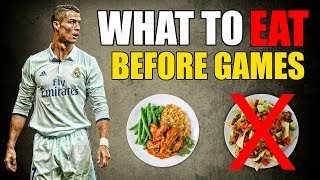
Before a soccer game, it’s best to eat easily digestible carbohydrates like a banana, toast with jam, or a small bowl of oatmeal. These provide quick energy for the match.
You’re gearing up for game day, the energy is building, and you’re wondering, “whats good to eat before a soccer game?” It’s a common question, and getting the nutrition right can really impact your performance on the field.
Fueling your body properly is key to lasting through a 90-minute match. We all want to feel our best and play our hardest. Choosing the correct foods makes a significant difference.

What’s Good to Eat Before a Soccer Game?
Getting ready for a soccer game is like preparing for a mini-marathon. You need the right kind of fuel to power you through all that running, kicking, and maybe even a little bit of slide tackling! Just like a car needs gas, your body needs good food to give you energy and help you perform your best. But what exactly should you eat? That’s what we’re going to talk about today. We’ll break down the best pre-game meals and snacks so you can be a soccer superstar.
The Importance of Pre-Game Nutrition
Think of food as your body’s power source. The right foods give you the energy to run fast, make sharp turns, and stay focused throughout the whole game. Eating the wrong things can make you feel sluggish, tired, or even give you a tummy ache. So, what’s the secret? It’s all about eating a balance of the right nutrients at the right times. Proper nutrition before a game can improve your endurance, increase your focus, and help your muscles work their best. This means you’ll be quicker, stronger, and more ready to give it your all on the field! It also helps to avoid that feeling of being completely drained towards the end of the match.
When talking about pre-game nutrition, we need to think about how your body gets its energy. The main fuel for your muscles comes from carbohydrates. Think of these as the gasoline in your car. They are readily converted into energy that your body can use quickly. But, you also need some protein, which helps repair your muscles and keep them strong, and a bit of healthy fats for sustained energy. This combination is what makes a good pre-game meal, making sure you have fuel in the tank and ready for kickoff. It’s a bit like filling up your car, you need a little of each type of fuel to make sure the car drives smoothly.
Timing is Key: When to Eat
It’s not just what you eat, but also when you eat it. Imagine trying to run a race right after eating a giant meal. You’d feel heavy and uncomfortable, right? Same goes for soccer. You need to give your body time to digest your food before the game starts, so it can use that energy to fuel your play instead of digesting your meal. Therefore, the timing of your meals is extremely important for optimal performance.
The 3-4 Hour Rule
For your main pre-game meal, try to eat about 3 to 4 hours before game time. This gives your body plenty of time to digest the food and for your energy to be available when you need it most. This meal should be the most substantial of your pre-game eating and include a good amount of carbohydrates, some lean protein, and a small amount of healthy fats. This lets you get the most energy out of the food without feeling overly full or having any stomach issues during the game. Think of it like charging your phone – you want it fully charged before you need it.
The 1-2 Hour Snack
If your game is closer than 3-4 hours, it’s best to have a lighter snack 1 to 2 hours before kick-off. This snack should be primarily carbohydrates and very easy to digest, like a banana or a small piece of toast with a bit of jam. This provides you with an extra energy boost without weighing you down. It’s like a little top-up of energy before you really need it.
Avoiding Late Eating
Eating too close to game time, say less than an hour, isn’t a good idea. Your body will be busy digesting food instead of helping you play. Plus, you might end up with cramps or an upset stomach, which would make playing soccer much harder. It is important to keep food intake manageable just before the game so that you feel light, energetic and comfortable on the field. So, always aim to have that last snack at least an hour before the game starts to maximize your comfort and performance during the match.
What to Eat: The Power Foods for Soccer
Now, let’s get into the specifics of what types of foods are best for a pre-game meal. Remember, carbohydrates are your primary energy source, protein helps repair and build muscles, and a little healthy fat gives you sustained energy. Here is a breakdown of the best foods for each group.
Carbohydrates: The Fuel for Your Game
Carbohydrates are the go-to fuel for soccer players because they are broken down quickly into energy that your muscles can use. You want to choose complex carbohydrates, which give you a steady release of energy, rather than simple carbs, which cause a quick energy spike followed by a crash. Think of it like this: slow burning fuels keep you running longer than a quick burning fuel that disappears quickly.
Good Sources of Complex Carbohydrates:
- Whole Grain Bread: Provides a steady source of energy. Great for making a sandwich or having toast.
- Brown Rice: A fantastic side dish that pairs well with many proteins.
- Whole Wheat Pasta: Another great option for a heartier meal.
- Oatmeal: Perfect for breakfast or a light pre-game meal. You can add fruit for extra flavor and nutrition.
- Sweet Potatoes: Provide a good source of sustained energy and are packed with vitamins.
- Quinoa: A grain that’s also high in protein, making it a great all-around choice.
- Fruits: Such as bananas, apples, and berries provide a quick source of energy and essential nutrients.
Avoid simple carbohydrates such as sugary cereals, candy, and soda, as these will cause a quick energy spike followed by a crash, leaving you feeling tired and sluggish during the game.
Protein: Building and Repairing Muscles
Protein is super important for building and repairing muscles. You don’t need a lot of protein before a game, but including some helps keep your muscles working well and supports recovery. However, do remember that too much protein before a game can make you feel heavy and slow down digestion, so be moderate in amount you take.
Good Sources of Lean Protein:
- Chicken Breast: A lean and versatile source of protein. Can be baked, grilled, or added to a salad or sandwich.
- Turkey: Another lean meat option that’s easy to digest.
- Fish (like salmon or tuna): Packed with protein and healthy fats.
- Eggs: A great and quick source of protein and can be cooked in many different ways.
- Lean Beef: In moderate amounts, lean beef can provide necessary protein and iron.
- Beans and Lentils: Good sources of protein, especially for vegetarians or vegans.
Avoid fried meats or fatty cuts of meat because these take longer to digest and might make you feel heavy.
Healthy Fats: For Sustained Energy
Healthy fats are essential for long-lasting energy and help your body absorb important vitamins. However, you want to use them in moderation, as too much fat can make you feel heavy.
Good Sources of Healthy Fats:
- Avocado: Great on toast or in a sandwich, it provides healthy fats and nutrients.
- Nuts (like almonds or walnuts): A good snack but should be taken in small quantities.
- Seeds (like chia or flax): Can be added to oatmeal or smoothies.
- Olive Oil: A good choice for cooking or adding to salads.
Avoid unhealthy fats from fried foods, processed snacks, and fast foods, as these can make you sluggish and slow you down during the game.
Example Pre-Game Meals
Putting all these recommendations together can seem a bit tricky, so lets take a look at some specific meal ideas for your pre-game fueling.
3-4 Hours Before Game Time
Here are some meal ideas if you have 3-4 hours before your match:
- Chicken breast with brown rice and a side of steamed vegetables: This meal combines lean protein, complex carbohydrates, and essential vitamins.
- Turkey sandwich on whole-wheat bread with avocado and a side of fruit: A quick and easy option that provides sustained energy and essential nutrients.
- Oatmeal with berries and a sprinkle of nuts: A perfect choice for breakfast or a light lunch, offering fiber, vitamins and healthy fats.
- Whole wheat pasta with lean ground beef and a light tomato sauce: A hearty meal that can provide the needed carbohydrates and protein.
1-2 Hours Before Game Time
When your game is just 1-2 hours away, it’s better to stick to light snacks that are easy to digest:
- Banana: A perfect go-to snack. Easy to eat and digests quickly.
- A Small handful of grapes: Simple and provides a quick energy boost.
- Toast with a bit of jam: Provides quick carbohydrates without being too heavy.
- Small apple slices: Easy to eat and a source of quick energy.
What to Avoid Before a Soccer Game
Just as there are foods that are beneficial before a soccer game, there are also some to avoid. These foods can have a negative impact on your performance, making you feel uncomfortable or sluggish.
Foods to steer clear of before a game:
- Fried and Fatty Foods: These are hard to digest and can lead to stomach problems during the game. Think fast food, fried chicken, and greasy chips.
- Sugary Drinks and Snacks: These provide a quick burst of energy followed by a crash, making you feel tired. Avoid soda, candy, and sugary cereals.
- Too Much Fiber: While fiber is good for you, too much right before a game can cause bloating and discomfort. Limit your intake of high-fiber foods like beans and some raw vegetables.
- Spicy Foods: These can cause heartburn or other stomach issues. It’s best to keep it mild before a game.
- Foods That Are New To You: Don’t try anything new on game day. Stick to foods you know your body is comfortable with.
Hydration is Key
It’s important to remember that what you drink is as important as what you eat. Dehydration can negatively impact your performance on the field, making you feel sluggish and tired. You need to drink plenty of water in the days leading up to the game and on game day itself.
Staying Hydrated
Start drinking water early and often. Don’t wait until you’re thirsty to drink, that means you are already slightly dehydrated. Carry a water bottle with you and sip on it throughout the day. Before the game, have a good drink of water, and during any breaks take small sips, and don’t take very large gulps. This helps keep your body hydrated so that you are in top condition for the game.
Electrolytes
Sometimes just water isn’t enough, especially if you are sweating a lot during the match. Sports drinks can help replace electrolytes lost through sweat. But make sure to check the sugar content, and choose drinks that are lower in sugar. Alternatively, coconut water is a natural option that contains electrolytes and is lower in sugar.
In summary, what you eat before a soccer game has a huge impact on how you play. Eating the right foods at the right times will keep you energized, focused, and ready to give your best. Plan your meals and snacks ahead of time, drink lots of water, and always listen to your body. Remember that everyone is different, so finding what works best for you might take a bit of experimenting. But when you understand how food powers your performance, you can use it to get that extra edge on the field!
3 Foods that You Need to Eat Before a Soccer Match #shorts
Final Thoughts
For a pre-game meal, focus on carbohydrates for energy. Opt for foods like pasta, rice, or whole-grain bread. These fuel your muscles effectively.
Include some lean protein, such as chicken or fish. This aids in muscle repair and keeps you feeling full. However, avoid heavy, fatty options.
Whats good to eat before a soccer game? It’s essentially about balancing carbs and protein. Don’t forget to hydrate properly. Proper nutrition is must for peak performance on the field.

