
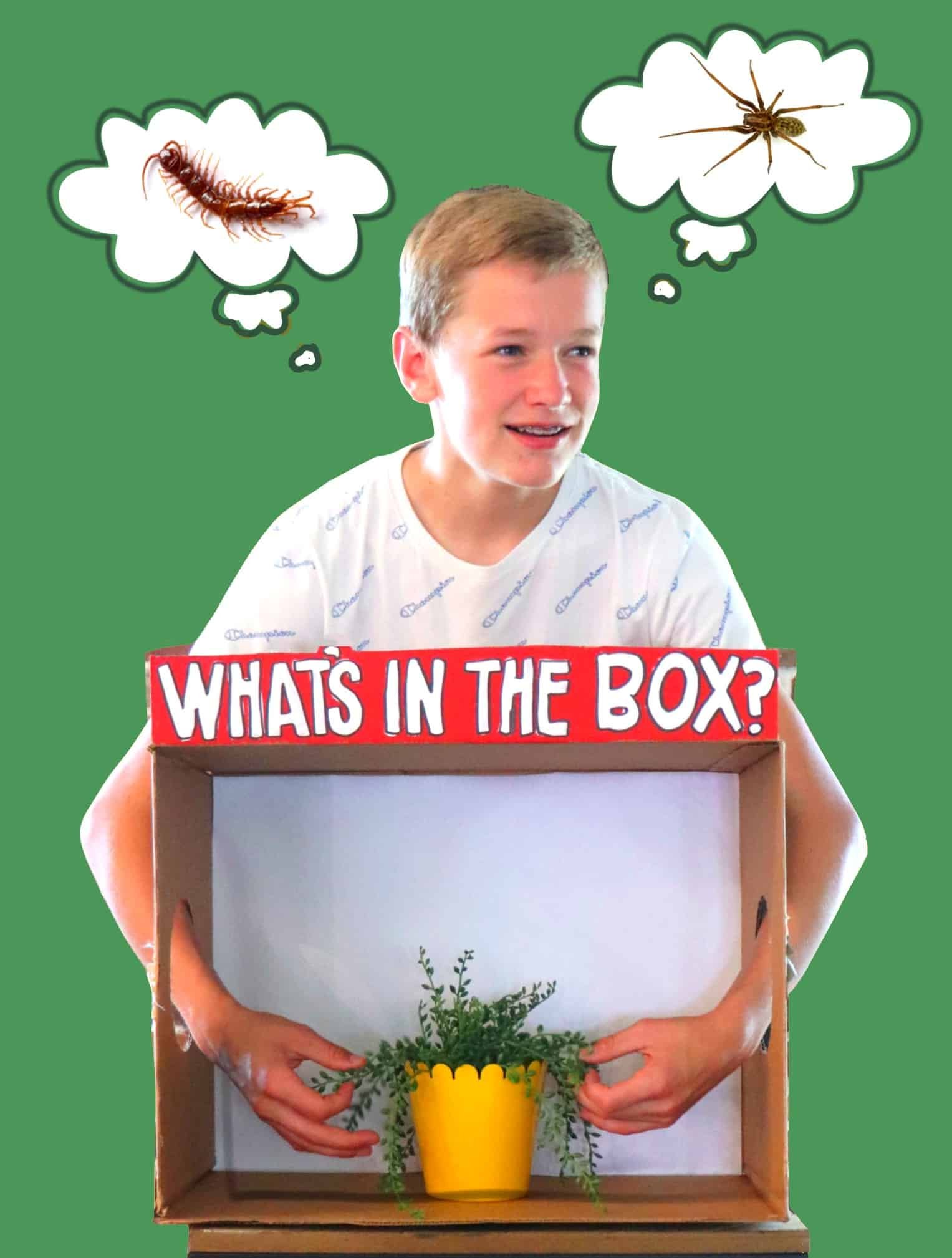
‘Whats in the box game ideas’ include using items like toys, household objects, or even food, having players guess by touch alone, creating a fun sensory experience.
Want a party game that creates giggles and mystery? Exploring “whats in the box game ideas” brings forth a world of simple yet engaging fun. You can quickly create it, using things already at home.
This game works well for all ages, allowing kids and adults to have a great time together. It encourages critical thinking, along with a bit of silly guessing. The sensation of touch becomes the key.

What’s in the Box Game Ideas: A Treasure Trove of Fun!
The “What’s in the Box?” game is a fantastic way to spark curiosity, laughter, and a bit of silliness in kids (and adults too!). It’s simple to set up, requires minimal materials, and can be adapted for all ages. The basic idea is to place an object inside a box (or bag, or pillowcase!) and have players guess what it is using only their sense of touch. But, oh, the possibilities are endless when you start brainstorming fun and creative ways to play! Let’s dive into different game ideas, how to tailor them for different age groups, and some exciting object suggestions to keep the fun going.
Classic “What’s in the Box?” Games
Before we get too fancy, let’s appreciate the beauty of the traditional “What’s in the Box?” game. Here are a few ways to play this timeless classic:
The Simple Guess
This version is perfect for very young children. Place a single, easily identifiable object in the box. Kids take turns feeling the object, describing its shape, texture, and any other sensory details they notice. The first person to correctly guess the item wins a small prize or gets to pick the next object!
- Object Suggestions: A toy car, a stuffed animal, a smooth rock, a plastic block, a spoon, or a small ball.
Team Challenge
For a group of kids (or even adults), break everyone into teams. Teams take turns sending one member to feel the object. Each team member can discuss with their team what they felt and then they get one guess per turn. If no team guesses correctly, another member of each team takes a turn, and so on. The team with the most correct guesses wins! This fosters teamwork and communication along with sensory exploration.
Sound Clues
Add an extra layer of fun and complexity! Besides touch, include the option to shake or move the box slightly to hear the sounds the object makes. This expands their senses and can help to lead them to the solution.
Creative Themes and Variations
Ready to take your “What’s in the Box?” game to the next level? Try these exciting theme-based variations:
The Nature Box
Bring the great outdoors inside! This theme is all about objects found in nature. This helps kids connect with the natural world and it can tie into science lessons.
- Object Suggestions: A pinecone, a smooth stone, a feather, a leaf, a piece of bark, a small twig, or a handful of dried grass.
The Kitchen Mystery
This version uses everyday kitchen items. It helps children become more familiar with common household objects and their different textures and functions.
- Object Suggestions: A wooden spoon, a whisk, a sponge, a rubber spatula, a small measuring cup, or a bag of dry pasta.
The Texture Box
This game focuses on the amazing world of textures! Gather items with varied feels. This is great for sensory learning and developing vocabulary related to touch.
- Object Suggestions: A piece of sandpaper, a soft piece of fabric (like velvet), a smooth tile, a piece of bubble wrap, a fluffy cotton ball, a small piece of metal, or a loofah.
The Sensory Exploration Box
Combine touch with other senses like smell or gentle sound. This variation adds layers of sensory engagement, but make sure to avoid overwhelming with any strong scents, and use safety as a priority.
- Object Suggestions: A small container of cinnamon or a dried herb (for smell), a small bell or some uncooked rice in a container that makes a gentle sound, a soft toy, or a smooth stone
Adapting the Game for Different Age Groups
The beauty of the “What’s in the Box?” game is its flexibility. Here’s how you can adjust it for different age groups:
Preschoolers (Ages 3-5)
Keep it simple and familiar. Use large objects that are easy to identify, and avoid small items that may pose a choking hazard. Focus on simple descriptive words like “soft,” “hard,” “smooth,” and “bumpy.” Provide lots of encouragement and hints!
Elementary School Children (Ages 6-10)
Children in this age group can handle more complex objects. Encourage detailed descriptions and introduce them to scientific concepts related to the objects. They also enjoy more competitive versions and team play. It can be fun to introduce a theme or have them guess the type of object – is it living, made of metal, etc.
Tweens and Teens (Ages 11+)
Teens and Tweens love a challenge! Use more obscure items or items that require more abstract thinking. Introduce some competitive elements and include timed rounds or even blindfolded play for an extra layer of difficulty and fun. This age group is also excellent at devising fun creative themes for their box.
Object Suggestions: A Comprehensive List
Need inspiration for what to put in your box? Here’s a mega-list of ideas broken down into categories, keeping different age groups and themes in mind:
Everyday Objects
- Key
- Spoon
- Fork
- Pencil
- Eraser
- Comb
- Hair tie
- Small toy car
- Toy dinosaur
- Stuffed animal
- Coin
- Small block
Kitchen Items
- Wooden spoon
- Spatula
- Whisk
- Measuring cup
- Sponge
- Tea bag
- Small potato
- Piece of pasta
- Dry bean
- Garlic clove
Nature Finds
- Pinecone
- Smooth rock
- Feather
- Leaf
- Bark
- Twig
- Acorn
- Shell
- Small handful of dirt
Textured Items
- Sandpaper
- Velvet fabric
- Bubble wrap
- Cotton ball
- Piece of metal
- Loofah
- Small rug
- Ribbon
Sensory Items
- Small bell
- Small container of cinnamon
- Dried herbs
- Small bag of rice
- Soft toy
- Smooth stone
- Essential oil
Tips for Successful Gameplay
To make sure your “What’s in the Box?” game is a big hit, keep these tips in mind:
- Choose safe objects: Avoid anything sharp, small enough to swallow, or easily broken.
- Keep it age-appropriate: Adjust the difficulty of the objects to suit the players’ ages and abilities.
- Encourage descriptive language: Prompt players to use words related to texture, shape, and size.
- Be flexible: Adjust the rules or objects as needed to keep everyone engaged and having fun.
- Get creative with the box: Use different containers besides just a box! Try a pillowcase, a bag, or even a decorated basket.
- Make it a collaborative experience: Encourage players to work together and help each other with their guesses.
This seemingly simple game offers lots of opportunities for learning and fun, and can be enjoyed for a variety of ages and occasions. From casual family get-togethers to classroom activities or even themed parties, the “What’s in the Box?” is an amazing tool for engaging children (and grown-ups!) in sensory exploration and playful learning. So gather your objects, choose a box, and get ready for a game filled with laughter, mystery, and some seriously silly guesses!
Remember that the most important part of any game is the time spent together and enjoying each other’s company. The ‘What’s in the Box’ game is a perfect way to create memorable moments for everyone playing.
Whats In The Box Game
Final Thoughts
For simple fun, try filling your box with everyday objects. Participants must guess by touch alone. You can use themed boxes like “kitchen” or “nature.” These themes make the game more engaging and challenging.
Consider using unusual or funny items to increase laughter. Include a mix of textures like soft, hard, and squishy for more interesting tactile experiences. Whats in the box game ideas need not be complicated to be enjoyable.
You must also remember that variations exist to suit different age groups. For little kids, use larger, safer items. Older players might enjoy more complex items and clues.

