
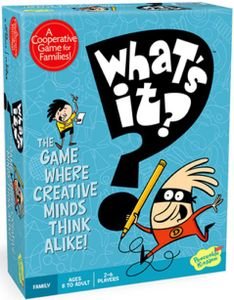
The “whats it game” is a guessing game where one person describes an object or concept, and others try to identify it based on those clues.
Ever found yourself in a group, needing a quick, fun activity? That’s where a simple game can be a lifesaver. One such gem is the “whats it game”. It’s engaging and requires no equipment, making it perfect for any time.
This game encourages everyone to think creatively and listen closely to clues. The beauty of “whats it game” is its adaptability; you can tailor the subject matter to the players. From everyday items to abstract ideas, the possibilities are endless.

What’s It Game: A World of Guessing and Fun
Okay, let’s dive deep into the exciting world of “What’s It?” games! You know, those super fun games where you try to figure out what someone is thinking of? They’re not just for kids; grown-ups love them too! These games are fantastic for sparking creativity, improving thinking skills, and just having a good time with friends and family. Whether you’re at a birthday party, on a road trip, or just hanging out at home, “What’s It?” games can always make things more interesting.
The Many Faces of “What’s It?”
The beauty of “What’s It?” games is that there are so many ways to play! The basic idea is always the same – someone has an idea in their head, and others try to guess it. But the specific rules, the categories you use, and the ways you give clues can change a lot. Let’s explore some of the most popular types of “What’s It?” games:
Classic “I Spy”
Probably the most well-known version is “I Spy.” You pick an object that you can see, and you say “I spy with my little eye, something that is…” and give a clue, like its color. Everyone then tries to guess what you’re looking at. It’s simple, yet it’s a great way to make kids notice details around them, and it also helps with vocabulary.
- How to Play: One person chooses an object in plain sight.
- They then say “I spy with my little eye, something that is (color or description).”
- Other players try to guess the object.
- The person who guesses correctly gets to choose the next object.
20 Questions
Another favorite is 20 Questions. One person thinks of something – it can be an animal, a person, a place, or an object. The other players can ask up to 20 yes/no questions to try to figure out what it is. This game is great for teaching kids to ask smart questions and think logically. If the guessers have not guessed the object after 20 questions, they fail.
- How to Play: One person thinks of a person, place, thing, or idea.
- The others take turns asking questions that can be answered with only “yes” or “no.”
- They have a total of 20 questions to guess what it is.
- If they guess correctly before they ask 20 questions, they win!
Charades
Okay, time to get moving! In Charades, you act out a word or a phrase without talking. It could be a movie title, a profession, an action, or pretty much anything you can imagine. Your teammates have to guess what you’re acting out. Charades really get people thinking creatively and working together, plus it’s always good for some laughs! There are different kinds of rules in charades that you can use like, you can use a word or phrase only, or no words in charades.
- How to Play: A person chooses a word or phrase.
- They act it out without speaking, using body language and gestures.
- Their teammates try to guess what it is.
- The team that guesses it correctly wins points or get the next chance.
Pictionary
If you’re more of an artist than an actor, Pictionary is your game! Here, you try to draw a picture of the word or phrase you’ve chosen while your teammates try to figure it out. You can’t use words or numbers in your drawing, it has to be visual only. This game is a mix of art, communication, and thinking, and it’s a ton of fun! Each player takes turn in drawing and guessing.
- How to Play: A player picks a word or phrase.
- They draw clues on a paper or a whiteboard.
- Their teammates try to guess it.
- The team that guesses it correctly within time limit wins the point.
Category Guessing Games
Want a little bit of a twist? You can also play “What’s It?” using categories. For example, you could choose “Things You Find at the Beach” and then go around the circle, with each person saying something from that category. There are no limits in choosing any category. This type of game is good for exploring a topic and brainstorming ideas. The main idea is to choose a category or a specific topic of the world around us, and then let the players guess the item or topic using the clues.
- How to Play: One person chooses a category.
- They take turns saying a word that fits in the category.
- Players can guess the word or topic at any time.
- If the player says a wrong word, then they are out from the round.
Why are “What’s It?” Games So Great?
So, why do we love these games so much? They’re not just about guessing correctly. They offer a whole bunch of benefits:
Boosting Thinking Skills
“What’s It?” games really get your brain working! You have to think carefully about what you’re looking at, what clues to give, or what questions to ask. This practice sharpens problem-solving skills and makes your thinking faster. When you are asked to think about something and find a clue for it, that helps you in the daily life too in solving real problems.
Expanding Vocabulary
Games like “I Spy” or category guessing games introduce kids (and adults!) to new words. You hear different descriptions, and you learn to use different words for things. This helps with communication and with expressing ideas more clearly.
Encouraging Creativity
Charades and Pictionary are perfect examples of games that need imagination and creativity. You have to find a way to act out a word or draw a picture that will make sense to others. This way of playing stimulates your creative muscles and makes you think outside the box. It helps to create a unique way of expressing an idea.
Building Communication Skills
These games need people to work together, listen to each other, and explain themselves clearly. This helps you in learning how to communicate better with each other, and also helps to give a clear message to others. You get better at explaining things and understanding the views of others.
Promoting Social Interaction
Most importantly, “What’s It?” games are a great way to get people talking, laughing, and connecting. They get everyone involved, no matter their age, and make them feel part of a group. This builds social bonds and strengthens relationships.
Tips for Making “What’s It?” Games Even Better
Want to make your game night even more fun? Here are some tips to make “What’s It?” games a blast!
Adapt to the Audience
Remember to choose words, categories, or rules that fit the age and interests of the people playing. A game for younger kids will be different than one for teenagers or adults. Make sure that everyone feels included and that the difficulty of the game is suitable for them.
Encourage Creativity, Not Just Correct Answers
The goal isn’t just to guess correctly, it’s to have fun and use your imagination. It’s a game that everyone should enjoy. Focus on the enjoyment and laughter, not winning. Celebrate creative clues and thoughtful guesses, even if they are not correct.
Change the Rules Sometimes
Don’t be afraid to tweak the rules to make the game more interesting. You could add a timer, have a theme night, or combine different “What’s It?” games together. Changing the rules brings a new angle to the game and keeps it fresh, exciting and interesting.
Keep it Lighthearted and Fun
The most important thing is to create a relaxed and happy environment. This is a game and not a competition so relax and enjoy each other’s company. “What’s It?” games should be about enjoying being together and sharing some laughs.
“What’s It?” Around the World
Did you know that guessing games like “What’s It?” exist in different forms all over the world? It’s amazing how this simple idea of trying to figure out a hidden idea is a universal way to have fun! Here are some examples of “What’s It?” like games from different cultures.
Taboo
Similar to Charades or Pictionary but with more structured rules, Taboo is a word-guessing game where players have to get their teammates to guess a specific word without using a set of related words that are “taboo.” This version is popular in many countries and helps in vocabulary building and finding the right ways to communicate without using certain words.
Password
Password is another popular word-guessing game where one player gives one-word clues to help their partner guess the secret password. It tests the players’ vocabulary and ability to think of the most relevant clues. This game is played in a team which helps to build team spirit and communication.
Mafia (or Werewolf)
This is a social deduction game where players try to figure out who among them is the hidden “mafia” member or “werewolf,” through discussion and accusations. Though it involves a bit more strategy, it still fits under the umbrella of “What’s It?” style of games. The game tests how well you can read others and how well you can convince others of the truth. This game is more of a social game but you can categorize it under the “What’s It?” game category.
“What’s It?” Games in Education
“What’s It?” games aren’t just fun – they’re also powerful learning tools! Teachers use these games to help kids learn in an engaging and exciting way. Here’s how these games fit into education.
Vocabulary Development
Games like “I Spy” or category games help kids learn new words and understand how to describe things. This is more enjoyable than simply memorizing words from a list.
Critical Thinking
Asking good questions in 20 Questions, giving good clues in Charades, or analyzing objects around you to give a great clue in I spy encourages critical thinking. These games help to build problem solving skills and think logically.
Active Learning
These games are very interactive which means students are actively involved in learning rather than just passively listening. Active learning helps students to concentrate and keeps them engaged in the learning process. This way of learning is very effective for all kinds of students.
Collaborative Learning
Working as a team to guess the answer or create a clue helps students in improving communication and team building skills. These games also teach how to listen to other views and think as a group, which is important in school and beyond.
“What’s It?” games are a great way to learn new things, use your imagination, and make new friends. So next time you are looking for a game, give a “What’s It?” game a go. You’ll be amazed at how much fun you have!
What Is It? Song | Learn Toys | Guessing Game | Kindergarten, Preschool & ESL | Fun Kids English
Final Thoughts
This game tests your recognition skills, prompting quick thinking. It provides a fun mental exercise. The challenge lies in identifying the object from limited information.
Successfully guessing boosts confidence, creating a rewarding experience. ‘Whats it game’ offers entertainment and quick fun.
The concept is simple, yet engaging. Anyone can participate and enjoy this accessible challenge, making it a great pastime.

