
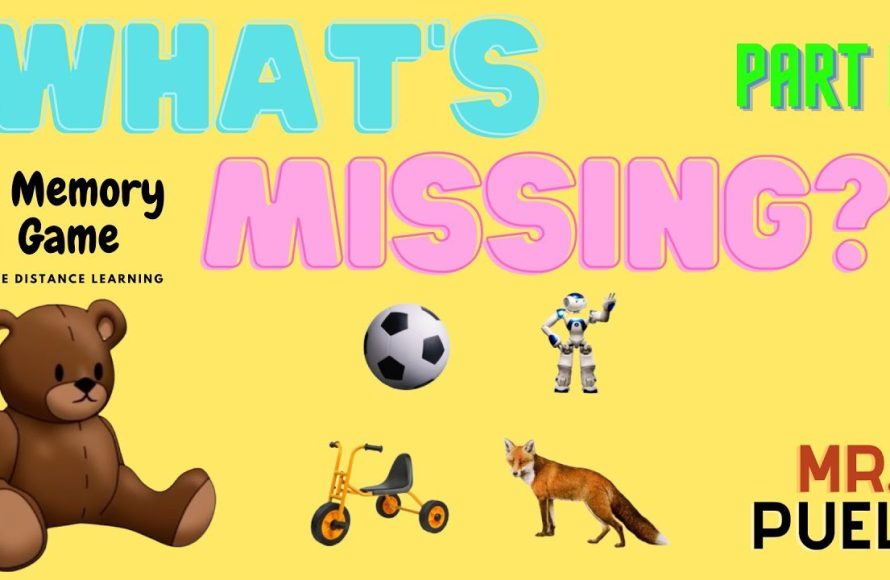
The ‘what’s missing game’ requires participants to identify an absent item or detail from a presented image or scenario.
Have you ever stared at a picture, feeling like something is just…off? That’s the core of the ‘whats missing game’, a simple yet engaging activity. It tests your observation skills and memory in a fun way.
People of all ages enjoy this kind of challenge, and it’s a great way to sharpen your focus. The game can be adapted to many themes, making it endlessly entertaining.

What’s Missing Game: A Fun Way to Boost Your Brain
Have you ever played a game where you look at a bunch of things, then close your eyes, and someone takes one thing away? When you open your eyes again, you have to guess what’s missing! That’s the basic idea behind the “what’s missing game,” and it’s much more than just a simple pastime. It’s a fantastic way to give your brain a good workout, and it’s super fun for kids and adults alike. This game can improve your memory, your attention span, and even your ability to solve problems. Let’s dive into the exciting world of this game and see how you can become a pro!
Why Play the What’s Missing Game?
This game isn’t just about having fun (though it’s definitely good at that!). It offers some real benefits for your mind. Let’s look at the areas where this game helps:
Memory Improvement
The first and most obvious benefit is that it helps improve your memory. When you first look at the items, you are trying to remember all of them. Then, when one is gone, you’re using your memory to figure out what was there before. This practice makes your memory stronger, like a muscle you exercise. The more you play, the better your brain gets at remembering things.
Boosting Concentration
It’s easy to get distracted these days, but this game forces you to focus. You can’t just glance at the items; you need to pay close attention to each one. This improves your focus and concentration. You have to be present in the moment to see what’s there and what’s missing. Regular play can make it easier to concentrate in other parts of your life too, like when you’re doing homework or listening to a story.
Improving Observation Skills
Observation is a very crucial skill, and this game enhances your observation abilities. Noticing small details becomes a habit. The game trains your brain to scan an area carefully and not miss any details. This skill is useful in so many aspects of life, from reading books to doing science experiments.
Problem Solving
At its heart, the “what’s missing game” is a mini problem-solving exercise. You have to analyze what you see, remember what was there before, and then find out the missing item by process of elimination. This process helps enhance your problem solving ability.
Flexibility
The beauty of the “what’s missing game” is that it can be played anywhere and with any items. It doesn’t require special equipment or a specific place. This flexibility allows you to use it on car rides, during waiting times, or even as a quick game before bed.
Fun For All Ages
Whether you are a kid, teen, or adult, everyone can play and enjoy the game. Adjust the game based on the age groups, which makes the experience more delightful. For kids, you can use colorful toys and simple items. For adults, you can make it harder by using more complex objects.
How to Play the What’s Missing Game
The rules are easy! Here’s a simple guide to get you started:
- Gather Items: Collect a few things. You could use toys, books, kitchen tools, anything that’s safe and easy to handle. Start with just 3-5 items if you’re new to the game.
- Arrange the Items: Place the items in front of the player. Arrange them in a way where they are clearly visible.
- Study the Items: The player needs to spend a short time (about 30-60 seconds) carefully looking at and remembering all the items. Encourage them to use their eyes and mental notes to recall the items.
- Close Your Eyes: Once the player has studied the items, they have to close their eyes or turn away.
- Remove an Item: While the player’s eyes are closed or turned away, remove one item without making any noise.
- Open Your Eyes: The player can now open their eyes and look at the remaining items.
- Guess What’s Missing: The player needs to use their memory to figure out which item was removed. If the player struggles, give some time to think or provide a clue.
- Reveal the Missing Item: Once the player guesses the missing item correctly, bring out the missing item.
- Repeat: Now, you can change the items or increase or decrease the difficulty level.
Variations of the What’s Missing Game
The classic version is awesome, but there are many cool ways to mix things up. Here are a few variations you can try:
Themed Items
Choose a theme for your items. For example, you could use only things from a specific area, like the kitchen (spoon, fork, plate), or outside (rock, leaf, flower). This makes the game even more interesting and challenging.
Increase the Number of Items
As you get better at the game, increase the number of items. Start with 3-5 items and move to 7-10 and then maybe even more. This will really test your memory and observation skills. You can also add similar items that are hard to differentiate at first glance.
Multiple Missing Items
Instead of removing just one item, try removing two or three at once. This makes the game even more challenging. This will require more focus and a better memory to identify what’s missing.
Change the Arrangement
When the player closes their eyes, you can move the items around besides removing one. This variation makes the game more complex. Now, the player not only has to remember what’s missing but also the arrangement of items.
Picture Version
Use pictures instead of objects. You can use pictures from magazines, drawings, or even photos. This variation can be particularly useful when physical items are not available.
Story Version
Create a simple story and then remove some details. For example, read a short story with a few key details, then ask the player what they remember, after which you read the story again but with some details changed and let them identify the missing one. This version helps improve reading comprehension and observation skills.
Sound Version
Instead of objects, use sounds! Play a series of sounds, then play the same series again with one sound missing. This version is a great way to improve auditory skills.
Tips for Getting Good at the What’s Missing Game
Like any game, there are things that can help you get better. Here are some tips to become a champ:
Focus Carefully
When you first look at the items, really focus. Don’t just glance at them, try to study each one. Pay attention to the colors, shapes, and sizes. Try to make a mental picture of each item.
Verbalize Items
Say the names of the items out loud or in your head. This can help you remember them better. Some people find that saying something makes it stick in their memory more easily.
Grouping
If the items are related, you can try grouping them together in your mind. For example, if you have a pen, a pencil, and an eraser, you can think of them as “writing tools”.
Use the Location Method
Try to remember where each item is placed. This can help you remember them. If you know that the book was on the left, you can start your search in that general area.
Don’t Get Frustrated
It’s okay if you don’t get it right away! It takes practice. The more you play, the better you’ll get. The important thing is to have fun and keep trying.
Play Regularly
Like any skill, the best way to improve is to practice. Try to play this game for 10–15 minutes every day. You’ll be surprised how much better you get over time.
Change the Game
Change the items, the game level and variation so that you can always challenge yourself. This ensures that you keep improving by learning something new. Change the theme, the number of items, or the arrangement for a new challenge.
The What’s Missing Game for Different Age Groups
This game is super versatile and can be tailored to different age groups. Here’s how you can modify it for little kids, older kids, and even adults:
Preschoolers (Ages 3-5)
For preschoolers, keep it simple. Use bright and colorful toys, and start with just 2-3 items. The items should be familiar and safe for small kids to handle. Use clear, concise language and give plenty of praise when they get it right.
Elementary School Kids (Ages 6-10)
For elementary school kids, you can increase the number of items to 5-7 and also the time to study the items. You can also add themes or introduce more complex variations of the game. Encourage them to think and explain their thought process.
Tweens and Teens (Ages 11-17)
Tweens and teens can handle more complex games with 7-10 items or more. You can use abstract items, add more challenging variations, and make it a competition for added fun.
Adults
Adults can use this game to improve their cognitive skills. You can make it challenging by adding more items, timed sessions, complex item combinations, and unusual objects.
Making the Game Educational
The “what’s missing game” can also be used to make learning more fun. Here are some educational ideas:
Vocabulary Building
Use items that represent different words. For example, use a ball, a car, a book, and a tree. Ask the player what was removed and what is left. This is a fun way to learn new vocabulary.
Learning About Colors
Use different colored items, like blocks, crayons, or balls. This will help children learn to identify and remember different colors.
Learning About Shapes
Use items that have different shapes. You can use blocks, puzzles, or even food items. This method helps learn about shapes in a fun and engaging way.
Numbers and Counting
Use items to teach counting. Start with simple numbers, and gradually increase them as they progress. You can use blocks or other objects.
Science Exploration
Use objects from nature, like leaves, rocks, or flowers. This allows you to learn about science in a hands on and interactive way.
The What’s Missing Game: A Tool for Learning and Fun
This game is more than just a simple pastime; it’s an effective way to enhance a variety of important cognitive skills. It can help you improve your memory, concentration, and problem-solving abilities, all while having fun. This game is easy to play, adaptable for all ages, and requires minimal resources. The benefits of regularly playing it can extend beyond the game itself, making this a valuable addition to any learning or play routine. Whether you’re a kid wanting to have some fun, a teacher looking for learning strategies, or just an adult wanting to keep their mind sharp, the “what’s missing game” is perfect for everyone. So, gather your things, pay attention, and get ready to play.
Mr Puell – What's Missing Pt1
Final Thoughts
‘What’s missing game’ boosts cognitive skills and observation. It improves attention to detail, especially for children. Practicing this activity sharpens recall and makes learning fun.
This simple game can easily be adapted. Players notice what object disappeared. It’s a great tool for boosting memory. ‘What’s missing game’ is both engaging and educational.

