
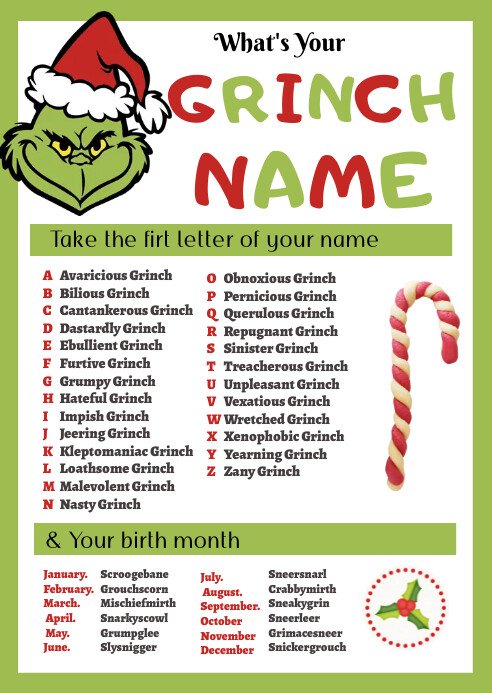
The name game is a social activity where players identify individuals or things, often using only a few clues or by remembering previously mentioned names.
Ever found yourself in that awkward moment, struggling to recall someone’s name you’ve met before? It happens to the best of us. This common experience highlights the simple yet tricky nature of what’s the name game is all about. We explore how we play it, and why it can be a fun challenge or a source of social anxiety for many. Remembering names is a social skill we often take for granted.

What’s The Name Game: A Deep Dive
Have you ever played a game where you try to remember everyone’s name? It sounds simple, but it can actually be quite tricky! That’s what “What’s the Name Game” is all about. It’s not just one specific game; it’s a category of fun activities that focus on remembering names, making introductions easier, and helping people connect. Whether you’re at a birthday party, a school event, or even a work meeting, these types of games can be a fantastic way to break the ice and build community.
Why Play Name Games?
Name games are more than just a fun pastime; they have several important benefits. Let’s explore a few:
Making Introductions Less Awkward
Meeting new people can feel a little strange sometimes. Name games help reduce that awkwardness by getting everyone talking and interacting right from the start. Instead of a silent room, you have an engaging activity that encourages people to say their names out loud and connect with each other. This can create a more comfortable and friendly atmosphere where everyone feels included.
Boosting Memory Skills
Think about it – when you participate in a name game, you’re actively working on your memory. You’re not just hearing names; you’re trying to recall them and associate them with faces. This kind of mental exercise can improve your overall memory and attention span. It’s like a workout for your brain! The more you practice, the easier it becomes to remember names in real-life situations.
Creating a Sense of Community
Playing name games helps build a feeling of togetherness. When everyone is involved in the same activity, it fosters a sense of belonging and teamwork. It’s a fun way to learn about each other and create a more positive social environment. This can be especially helpful in group settings where people might not know each other very well. When we remember people’s names, it shows we care and respect them.
Fun and Engaging Icebreakers
Let’s face it, sometimes, the start of a meeting or event can feel a little dull. Name games add an element of fun and excitement. They provide a lighthearted way to start any gathering, setting a positive tone for the rest of the event. They bring laughter and energy into a room, making everyone feel more relaxed and open to interaction. These games are wonderful tools for making any social interaction more enjoyable and memorable.
Different Types of Name Games
There are many variations of name games, each with its own unique twist. Here are some popular types:
The Classic Circle Name Game
This is a basic but effective name game. Everyone stands in a circle. The first person says their name. The next person says their name and then repeats the first person’s name, and so on. Each person adds their name to the list and repeats all the previous names.
It is simple to understand and play, making it suitable for all ages. It is a great way to help everyone quickly learn each other’s names in a large group. It requires no equipment or preparation, making it very convenient for impromptu use. As the list grows, remembering all the names becomes increasingly challenging, adding a fun memory challenge to the game.
For example, if Sarah starts, the next person might say “My name is John, and this is Sarah.” Then, the next person says “My name is Emily, this is John, and this is Sarah,” and it continues like this around the circle.
The Name and Gesture Game
This adds a physical component to the classic name game. Each person says their name and performs a simple action or gesture, like clapping their hands or wiggling their fingers. Everyone then repeats the name and the gesture.
Adding a physical gesture helps people remember names more effectively, as it links a visual action to each name. It encourages creativity and personal expression through unique gestures, making it even more fun and memorable. The game is also very interactive and encourages active participation from everyone involved.
For instance, if Mike says his name while doing a little jump, everyone would say “Mike” and do a little jump.
The Name and Adjective Game
In this version, each person says their name along with an adjective that starts with the same letter as their name. For example, “I’m Happy Harry” or “I’m Cool Carol.” It’s fun to come up with creative adjectives.
This game helps people remember names by creating an association with a descriptive word. It adds an element of creativity and laughter, making the game even more engaging. It’s a great way to get to know something fun or silly about each person. This can be used as an opening point for friendly conversations.
If Lisa says “I’m Lively Lisa,” you’ll associate her with being lively!
The “One Word” Name Game
This game can be a bit more abstract. Each person says their name along with one word that describes them or that they like. For example, “I’m Sarah, and I like cats” or “I’m John, and I’m sporty.”
This game encourages people to share a little something about themselves, helping everyone get to know each other better. It’s also a great way to spark conversations among people, as they learn more about each other’s interests and personality traits. It adds a layer of personalization to the name game.
It can help people remember names by associating them with a specific interest or personal detail.
For example, “I’m Emily, and I love books,” can help people connect Emily with her fondness for books.
The “Remember the Last Name” Game
This one is similar to the classic circle name game, but it adds a twist. Each person says their name, and the next person has to repeat all the previous names, but this time, they must say the name of the person who just spoke last.
This adds a memory element and encourages active listening, requiring participants to pay close attention to who spoke last. It provides a fun and challenging way to remember names, adding a competitive edge. It’s more engaging than the typical circle name game.
For instance, if the sequence is John, Emily, then Sarah. The person after Sarah would say “I’m Alex. This is Sarah, the last person who spoke, before that was Emily and John.”
The “Who Am I?” Name Game
Write everyone’s names on separate pieces of paper and tape them to people’s backs, without letting them see their own name. Then, they go around asking “yes” or “no” questions to figure out whose name is on their back.
This game promotes interactive engagement as people move around and communicate with each other. It adds a fun element of mystery and deduction, making it more exciting and playful. It’s also a great conversation starter as people try to guess each other’s names. This can lead to fun interactions and getting to know each other better.
People might ask questions such as, “Am I wearing blue?” or “Am I sitting down?” to gather clues and guess their name.
Making the Most of Name Games
Here are some tips to ensure your name game is a success:
Keep It Short and Sweet
Name games are fun, but they shouldn’t drag on too long. Make sure the game is engaging but brief. Keeping it short helps maintain everyone’s interest. If it goes on too long, people might lose focus, so it’s important to keep it concise and energetic.
Explain Clearly
Before you start, make sure everyone understands the rules. Give clear instructions and demonstrate the game if necessary. Clarity prevents confusion and ensures everyone can participate smoothly. When the rules are clear, people feel more confident and eager to participate.
Be Patient and Encouraging
Some people might find it hard to remember names, and that’s perfectly okay! Offer encouragement and praise for effort. A positive atmosphere makes everyone feel more comfortable and willing to participate. Gentle and supportive encouragement can make the game much more enjoyable for all involved.
Make It Fun
Don’t be afraid to add silly elements to the game. The goal is to have fun and connect with each other. Laughter and humor can go a long way in making any game memorable. Incorporating fun elements, like silly gestures or funny adjectives, makes the whole experience more enjoyable.
Adapt for Different Groups
Be mindful of who you are playing with. Some games work well with larger groups, while others are better for smaller ones. Adapt the games to suit the needs of the group. Modifying the game to suit the age, size, and preferences of the group will help ensure everyone can participate and enjoy the activity.
When to Use Name Games
Name games are versatile and can be used in a variety of settings:
First Days of School
Name games are wonderful on the first day of school to help students learn each other’s names. This can create a friendly and welcoming classroom environment right from the start. A positive start to the school year can greatly improve student-teacher relationships and encourage friendships.
Work Meetings
Use name games at the beginning of a work meeting or team-building session to help team members connect. This creates a more collaborative and relaxed atmosphere. When colleagues know each other better, collaboration and communication are likely to improve.
Parties and Gatherings
Name games are great icebreakers at parties and social gatherings, helping guests mingle and get acquainted. It’s a fun way to break the ice and get everyone interacting comfortably. They bring a social element to any party, making sure guests feel welcomed and entertained.
Community Events
At community events, name games can help attendees connect and feel more engaged. A sense of belonging can be fostered when community members learn each other’s names. When community members feel more connected to each other, the community as a whole becomes stronger.
Training Sessions
Name games can make training sessions more interactive and engaging, making learning more enjoyable. When training is engaging, people are likely to remember more and be active participants. When everyone knows each other’s names, it encourages more communication and cooperation during training sessions.
Why These Games Matter
While these games might seem simple, they play a big part in making social interactions more enjoyable and memorable. Name games help us remember each other’s names, which is a basic yet very important aspect of building relationships. Making an effort to remember someone’s name shows that you value them and that you care. And when people feel valued, they are more likely to form connections and create a friendlier social environment. Moreover, these games offer a fun and engaging way to learn and interact, which is a big bonus in any kind of social gathering.
So, the next time you’re in a situation where you need to learn new names, don’t just sit there quietly, try a name game! It’s a great way to break the ice, build connections, and have some fun. It not just a way to remember names; it’s about making people feel welcome and important.
Whether it’s a silly gesture, a creative adjective, or a memorable detail, these games are sure to make any group gathering a more enjoyable and bonding experience. Remember, the goal isn’t just to recall names but to create a sense of community and connection, one name at a time.
The Name Game w/ lyrics – Jessica Lange American Horror Story Asylum
Final Thoughts
Ultimately, navigating the world of names, whether for people, places, or products, requires careful consideration. We must remember that names carry weight and meaning, often shaping perceptions and experiences.
Therefore, think critically about the connotations and implications of your name choices. The power of a name, it’s influence, is profound and cannot be understated. In ‘whats the name game’, selecting wisely is key.

