
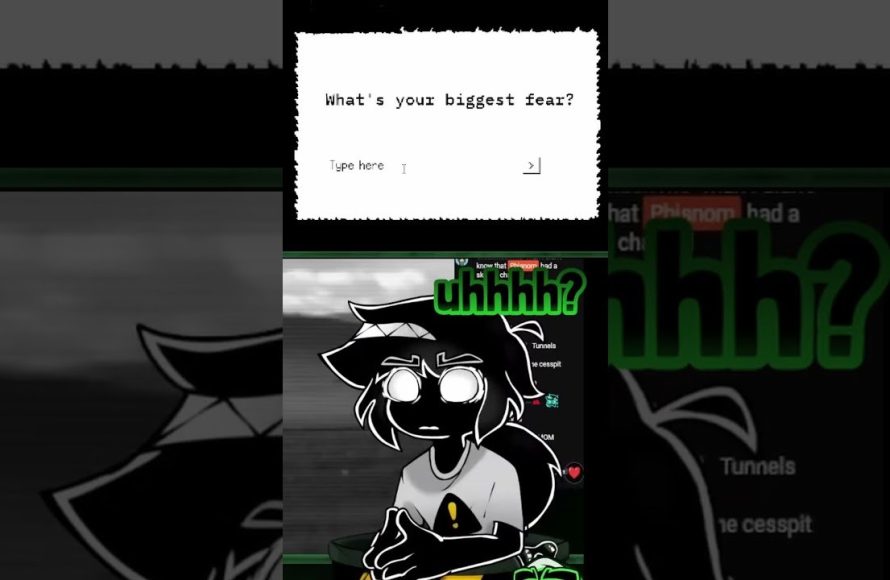
‘My biggest fear in the context of ‘whats your biggest fear game’ is facing a scenario where my deepest anxieties are vividly presented, potentially causing genuine distress.’
Ever wondered about the shadows lurking within your mind? The ‘whats your biggest fear game’ takes a playful, albeit slightly unsettling, approach to confronting those hidden anxieties. It asks you to articulate your deepest dread in a social or interactive setting.
This game can range from lighthearted fun to intense introspection, depending on the participants and their comfort levels. We will explore different ways to play it and the unexpected insights that come from facing your fears head-on.

What’s Your Biggest Fear Game: Diving Deep into the World of Scary Confessions
Have you ever played a game that made your heart race and your palms sweat? Not a video game, but a real-life game that digs deep into what scares you the most? That’s the idea behind the “What’s Your Biggest Fear Game.” It’s not about winning or losing, but about being brave enough to talk about the things that truly give us the creeps. Let’s explore how this game works, why people play it, and maybe even why facing your fears – even in a game – can be a good thing.
The Basics of the “What’s Your Biggest Fear” Game
The “What’s Your Biggest Fear” game is pretty simple. It’s usually played in a group setting, and there are many ways to play it. However, the core idea stays the same. The goal is to get each person to share what they fear the most. There isn’t a board or pieces. It’s all about talking and sharing and often listening.
How to Play: Different Styles
Here are a few ways the game can be played:
- Round Robin: Everyone goes around in a circle, and each person shares their biggest fear. You can’t repeat something someone else has already mentioned.
- Themed Fears: You can make the game more specific by having a theme. For example, what’s your biggest fear about the dark? Or what’s your biggest fear about animals? Or perhaps, what’s your biggest fear about the future?
- Anonymous Fears: Everyone writes down their fear on a piece of paper, and then the papers are mixed up. One person picks a paper and reads it, and everyone guesses who wrote it.
- Truth or Dare Variation: The game could be mixed in with a truth or dare game. When the participants chooses “truth”, they have to answer what’s their biggest fear question.
Why this is Not a “Normal” Game
Unlike many games where you compete to win a prize, the “What’s Your Biggest Fear” game focuses on being open and honest. There are no winners or losers, only sharing and understanding. Think of it more as an activity where you learn about yourself and others.
Common Fears Revealed in the Game
When people play this game, many fears come up again and again. It’s interesting to see how many people share similar worries. The common fears can be varied, some are quite prevalent, while others are unique to individuals.
Common Fears
Here are some of the most common fears that people reveal in this type of game:
- Fear of the Dark: This is a big one for many people, especially children. The fear often stems from not knowing what could be lurking in the shadows.
- Fear of Spiders (Arachnophobia): Lots of people find spiders scary. Their creepy legs and quick movements can really freak some out.
- Fear of Heights (Acrophobia): Looking down from very high can make people feel sick. The fear of falling can be very intense for some.
- Fear of Public Speaking: Talking in front of a group of people makes lots of people nervous. It’s the fear of messing up or looking silly in front of others.
- Fear of Being Alone: Many people have a fear of being alone and it stems from fear of abandonment or isolation.
- Fear of Failure: Some people are afraid to fail and that’s why they don’t take new challenges in life. The fear of disappointment and humiliation are often the root causes of this fear.
- Fear of Death: This is a universal fear and is a very common fear that people often experience. The unknown aspect of death makes it scary for most.
- Fear of Loss: The fear of losing loved ones is another universal fear that people have. The emotional pain and suffering associated with loss makes it a very real and valid fear.
- Fear of Change: Some people feel uncomfortable with sudden changes and they often feel anxious and worried about adapting new and different circumstances.
Less Common, More Personal Fears
Sometimes, the fears that come up are not as common. These are the fears that are very personal and specific to the individual:
- Fear of specific animals: While spiders are a common fear, some might be very afraid of snakes, dogs, or even butterflies.
- Fear of specific places: Like enclosed space (claustrophobia) or crowded spaces (agoraphobia).
- Fear of specific sounds: The sound of chalk on a chalkboard or fingernails scraping.
- Fear of specific objects: Objects like sharp things, or mannequins can evoke fear.
- Very Specific Fears: Some individuals might have very specific fears tied to certain past experiences or a situation they have witnessed.
Why Do People Play This Fear-Revealing Game?
This game may seem a little strange to some, so why do people even play it? What benefits does it provide?
Building Bonds and Understanding
Sharing your fears can be very powerful. It helps you to connect with others on a deeper level. When you hear other people’s fears, you realize that you’re not alone in feeling afraid. It creates a sense of understanding and empathy within the group. You realize everyone has some kind of fear.
Practicing Vulnerability
Talking about your fears takes courage. It means you’re being open and vulnerable. Practicing this can make you feel more confident. It helps you to be more comfortable with your own feelings and not feel embarrassed by them.
Self-Reflection and Growth
The “What’s Your Biggest Fear” game encourages you to think about what makes you tick. By naming your fears, you are taking the first step towards understanding them. This process of self-reflection can help you to grow and manage your anxieties. Sometimes just admitting you have a fear can make it less powerful.
Fun in a Weird Way
Even though the game deals with serious topics, sometimes it’s just a fun way to get to know people better. The conversations that can come out of this game can be really engaging and interesting. You get to learn about other people’s personalities, experiences, and how they cope with things that they fear.
Is Playing This Game Good or Bad?
Playing this type of game can be a positive experience for some, but it is not for everyone. Let’s look at the good and the bad.
Potential Benefits
- Reduces Isolation: Realizing others have fears too makes you feel less alone.
- Builds Compassion: You start to understand why other people act the way they do.
- Boosts Confidence: Sharing your fears can help you to feel more confident and brave.
- Promotes Open Communication: The game encourages honest and open discussions.
- Encourages Self-Discovery: It helps you understand your feelings and what motivates your fear.
Potential Downsides
- Can Be Stressful: Sharing personal fears can be very stressful for some people.
- Can be triggering: Some people might have very serious fears which can lead to intense discomfort and anxiety.
- Might Lead to Judgment: Some people may make fun of or judge other people’s fears. This can be very hurtful and counterproductive.
- Not for Everyone: It’s not always right for every group or setting. It should only be done with the right group of people, where the participants feel comfortable.
Tips for Playing the “What’s Your Biggest Fear” Game Responsibly
If you decide to try this game, it is important to be responsible and considerate. Here are some tips to keep in mind:
Create a Safe Space
Make sure everyone feels safe and comfortable. Explain the purpose of the game. Let everyone know that there is no judgment. It is okay to feel vulnerable and it is important to provide a safe place where they can share what they are feeling.
Make it Voluntary
Don’t force anyone to participate if they don’t want to. If someone prefers not to answer or is not comfortable, respect their decision and move on.
Respect Boundaries
Don’t push for details if someone isn’t comfortable sharing. Let them share as much as they want to, without feeling pressured.
Use the Game as a Way to Connect
Focus on connecting and understanding each other rather than trying to compare or compete. This is a game about empathy and understanding, and not about who has the biggest or scariest fear.
Take Breaks
If the conversations become very heavy, take a break or move on to something lighter. Do not dwell on serious things too much.
Consider the Group
Think about the people you are playing with. It may not be a suitable game for everyone. Make sure the group is comfortable with this topic before playing the game. Always be respectful and considerate of each individual.
How the Game Can Help You Face Your Fears (Indirectly)
While the game doesn’t magically remove your fears, it can be a tool to start dealing with them in a healthier way. Here’s how:
Naming Your Fear is Powerful
Often, the things we fear are big and unclear in our minds. When you actually say them out loud, it can help you to make them seem less powerful. It makes the fear less intimidating and something that you can face. It makes the unknown, known.
Realizing You’re Not Alone
When you hear other people share their own worries, you might realize that what you are feeling is normal. It helps to understand that everyone has some kind of fear, which can make you feel less alone with your own fear.
Starting a Conversation
Talking about your fear is the first step towards finding strategies to cope with that particular fear. Sharing your fear can open up the doors for support and understanding from others.
Taking the First Step
The “What’s Your Biggest Fear” game can be a small step in the journey of facing what scares you. It can give you the initial courage to think about your fear, and slowly face it in real life.
The “What’s Your Biggest Fear Game” is not your usual fun and games activity. It’s a way to get real and talk about the things that scare us the most. This is not a game for winning, it’s a game for knowing oneself and understanding each other. It can be a powerful tool for growth and connection, provided that it’s played in a safe and respectful environment. Sharing your fears is not always easy, but it is a very brave thing to do. So, if you feel brave, gather your group, and see what the game reveals about you and the people around you.
What's your biggest fear? #streamhighlights #phistream
Final Thoughts
Ultimately, the ‘what’s your biggest fear game’ reveals deep vulnerabilities and creates connections. Sharing those fears, despite the discomfort, builds empathy and allows for personal growth. The game prompts introspection and encourages people to face their anxieties. This process can be cathartic and surprisingly enjoyable.
Playing the ‘what’s your biggest fear game’ is a powerful reminder of our shared human experience. These often unspoken anxieties become a bridge for connection. It’s a game that goes beyond simple entertainment, forcing you to contemplate your deepest fears.

