
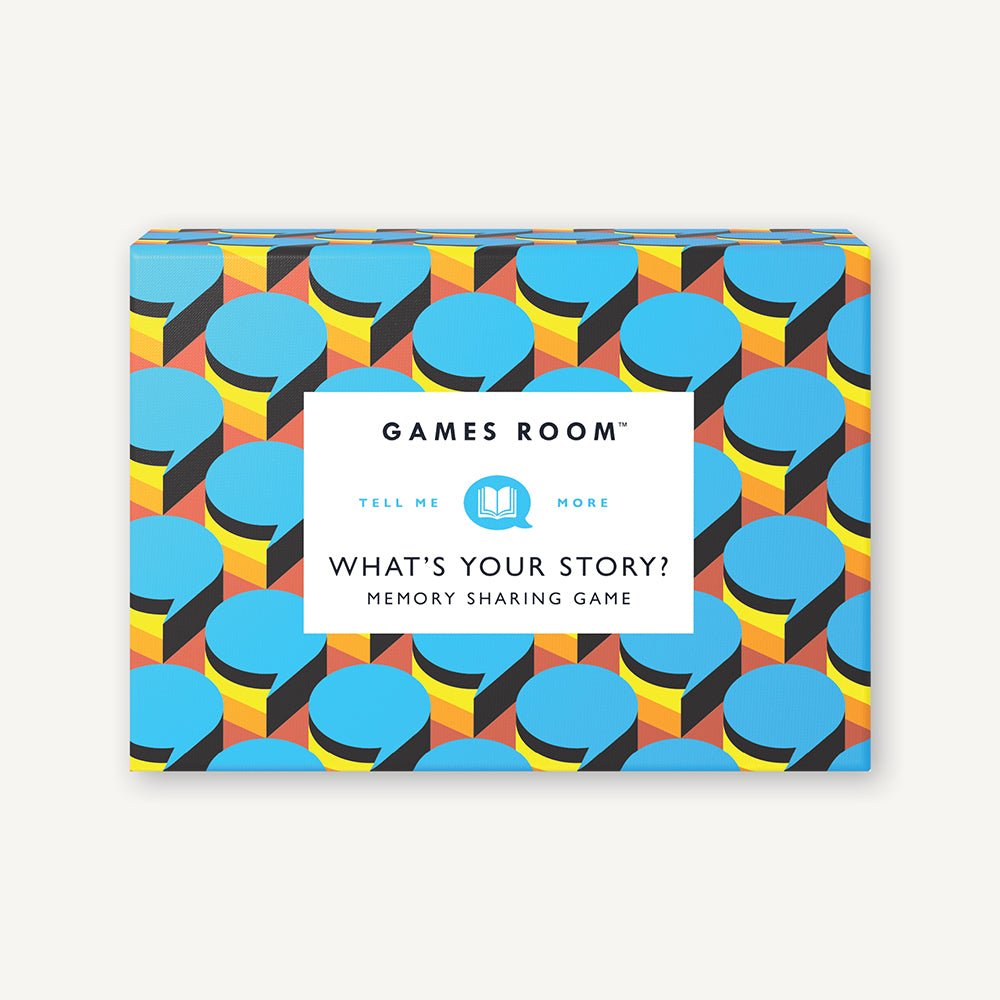
‘Whats your story game’ is a collaborative storytelling activity where players take turns adding sentences to create a unique narrative.
Ever felt like a story was bubbling inside you, eager to be told? Well, imagine a game where everyone contributes to the tale, each adding their own twists and turns. That’s the magic of ‘whats your story game’.
It’s a simple yet engaging way to spark creativity and see where your imagination can take you. You’ll be amazed by the unpredictable narratives that emerge from collaborative storytelling. It’s fun for everyone, no matter your age!

What’s Your Story Game: Diving Deep into Narrative Play
Have you ever wanted to step into a world of your own making? To craft tales filled with brave heroes, silly villains, and maybe even a talking cat or two? That’s the magic behind “What’s Your Story Game”! It’s not just one game, but a whole bunch of ways to play where you, the player, become the storyteller. Let’s explore this fantastic concept and see all the different kinds of adventures you can create.
The Core Concept: You are the Storyteller
At its heart, “What’s Your Story Game” is about taking charge of the narrative. Instead of just following a pre-written plot, you get to decide what happens next. This idea can be used in different types of play, from simple make-believe with friends to more structured games with rules. The amazing thing is that it encourages creativity, problem-solving, and teamwork! It also helps in learning to tell good stories by focusing on the core elements of story telling, including characters, settings, plot and conflicts.
Understanding the Key Elements
Let’s break down what makes these games so special:
- Characters: These are the people (or creatures!) in your story. You get to choose who they are, what they look like, and what they’re like. Are they brave knights? Tricky wizards? Or maybe a group of friendly animals? You get to decide. You can develop their backstories and their goals.
- Setting: Where does your story take place? Is it in a magical forest, a bustling city, a faraway planet, or maybe even in your own backyard? Think about all the details like the buildings, the climate, and any unique features that make your setting special.
- Plot: This is what happens in your story. It’s the series of events that make up the narrative. Maybe there’s a quest, a mystery to solve, or a problem that needs fixing. It’s your turn to create the events of the story.
- Conflict: Every good story has some kind of problem or challenge. It could be a big monster, a tricky puzzle, or even just a disagreement between friends. Conflict adds excitement and makes the story interesting. This is the place where the hero or the main characters overcome the challenge.
Types of “What’s Your Story” Games
The beauty of the ‘What’s Your Story Game’ lies in its flexibility. There is no single rigid way to play. The core idea can be modified and applied to various game types. Here we will explore some popular variations that you might enjoy.
Improvisational Storytelling
This kind of game is all about making things up as you go along. You can play it with friends or even just by yourself. One person might start the story, and then each person adds a new detail or event. This is a great way to get your imagination flowing and see where the story takes you. It’s like building a story together brick by brick, with each person’s contribution. Improvisational storytelling often works without rules and without a fixed structure.
How to Play:
- One person starts with a simple sentence like “Once upon a time, there was a…”
- The next person adds on to that sentence, building the story.
- Keep going around until you’ve created a full story!
Example:
- Person 1: “Once upon a time, there was a small blue dragon…”
- Person 2: “…who lived in a mushroom house in the forest.”
- Person 3: “…one day, he found a map that led to a buried treasure.”
Role-Playing Games (RPGs)
Role-playing games take the idea of being a character one step further. In these games, you usually have a set of rules to follow. Each player takes on the role of a specific character with special abilities, and the story unfolds as you make choices as your character. Sometimes these games involve dice rolls that introduce an element of chance. Think of games like Dungeons & Dragons for a well-known example, although there are simpler versions for younger audiences as well. These games often involve a person called a game master who guides the story.
Key Features of RPGs:
- Character Sheets: Each player has a sheet with all the details of their character.
- Dice Rolls: These add an element of chance to actions taken by the players.
- Game Master: A designated person describes the setting, narrates the storyline and manages the game.
Storytelling Card Games
There are many games available that use cards to prompt storytelling. These cards might have pictures, words, or phrases on them. Players draw cards and use them to help create a story together. These games are great for making up fun, unexpected stories in a group. It’s a blend of chance and imagination. It’s great way to jumpstart creative storytelling.
How They Work:
- Players draw cards with pictures or words.
- They use those elements as prompts to build their story.
- This can be done collaboratively or individually.
Example:
- One player might draw a card with a picture of a castle, another with a dragon, and another with a magic wand.
- They then create a story around how these three elements interact.
Digital Storytelling Games
Video games often incorporate elements of “What’s Your Story Game.” Many games give you a main character and then allow you to make choices that change the story. You might be able to choose different dialogue options, affect the character’s relationships, or decide where you want to go. The actions you take within the game determine the ultimate outcome of the story. This is a great example of how technology can enhance the storytelling experience. These games can be single player or multiplayer.
Common Features:
- Choice driven narratives: Player’s actions determine the story outcome.
- Character Customization: Players create and modify the appearance of their characters.
- World exploration: Players navigate the game world and unlock different areas.
Benefits of Playing “What’s Your Story” Games
Playing these kinds of games isn’t just fun, it’s beneficial in many ways! Here are a few of the skills and benefits you can get from playing ‘What’s Your Story Game’:
Boosting Creativity and Imagination
When you make up stories, you are exercising your creative muscles. You have to think about new ideas and find different ways to tell a story. This helps you be more creative and imaginative in all areas of your life. It encourages you to think outside the box.
Improving Communication Skills
Many “What’s Your Story” games involve working together. You need to be able to express your ideas clearly and listen to what others have to say. This can help you become a better communicator, which is a super useful skill in school and in life. Games like improvisational storytelling especially help in this regard.
Enhancing Problem-Solving Abilities
Sometimes, stories need you to solve problems. Maybe your character is stuck in a puzzle or a tough situation. This encourages you to use your problem-solving abilities and critical thinking to get past the challenges and help the character succeed. These experiences help you become a better decision maker.
Developing Empathy and Understanding
When you create different characters, you need to think about how they might feel and what they might be thinking. This can help you develop empathy and understand things from different points of view. This kind of thinking builds emotional intelligence.
Building Confidence
Sharing your story and ideas can boost your confidence. It can be scary to share at first, but as you play and get positive feedback, your confidence can grow. Being creative and sharing your stories can build your confidence.
Making Your Own “What’s Your Story” Game
Want to create your own unique “What’s Your Story” game? Here are some tips to get you started:
Brainstorming Ideas
Start by brainstorming different ideas for your story. Think about the types of characters you might want to create, the kind of setting your game might be set in, and the overall story you’d like to tell. Ask yourself these questions to get started:
- What kind of story do I want to tell? A comedy, an adventure, a mystery, or something else?
- Who are my main characters? What are they like?
- Where does my story take place?
- What is the main challenge or conflict in my story?
- Are there any objects or special items in the story?
Creating Simple Rules
You can create a game with no rules at all, but if you want some structure, think about simple rules to keep the game moving. These can be very simple, or you can make them more detailed. Here are some common types of rules you can add to your game:
- Turn based systems where players take turns telling parts of a story.
- Dice rolls or other randomizers to introduce chance.
- Card draws to prompt story ideas.
- Special character abilities that add uniqueness to players.
Gathering Materials
You don’t need a lot of materials to make a “What’s Your Story” game, but here are some things you might find useful:
- Paper and pencils for writing and drawing characters.
- Cards to make prompt cards.
- Dice for adding random elements.
- Toys, figurines, or other objects that can be used as characters or props.
Trying it Out and Adjusting
Once you have created your game, try playing it with others. See what works well and what could be changed. You can improve the game based on how others enjoy it and then make necessary modifications. The best games evolve and change over time, so be flexible and open to making changes.
Tips for Storytelling Success
Here are some tips to make your stories more engaging and fun:
Use Descriptive Language
Instead of just saying the dragon was big, say “The dragon was as big as a house, with scales that shimmered like emeralds.” Use vivid language that paints a clear picture in the minds of those listening.
Create Interesting Characters
Give your characters unique traits, motivations, and goals. The more interesting they are, the more fun they will be to explore. Avoid boring, one-dimensional characters.
Build Tension and Conflict
Add elements of challenge and conflict to keep the story interesting. Make sure the characters have something to overcome. Without these elements, the story can be flat.
Have a Good Ending
Plan for a satisfying end to your story. Consider if your story needs a grand finale or a more subdued ending. The end of your story needs to be something that makes sense for the story you told.
“What’s Your Story Game” is an incredible way to explore your imagination, build important skills, and have fun at the same time. You do not need special equipment or training to play. So gather your friends, or even just yourself, and begin your storytelling journey. Remember, the best stories are often the ones you make yourself, filled with creativity, humor and wonder. So, what story will you tell today?
Game Review – 60 Seconds What's Your Story
Final Thoughts
Ultimately, ‘whats your story game’ provides an engaging and personalized narrative experience. The choices you make truly shape your unique path. This game stands out for allowing deep engagement.
Remember that each decision alters the course, leading to many different endings. This replayability makes it compelling. Your story is yours to create and explore.
So, dive into ‘whats your story game’, and tell us about your gameplay. Your own experiences will differ from other players due to the branching narratives. It offers a must-try gaming experience for fans of choice-driven adventures.

