
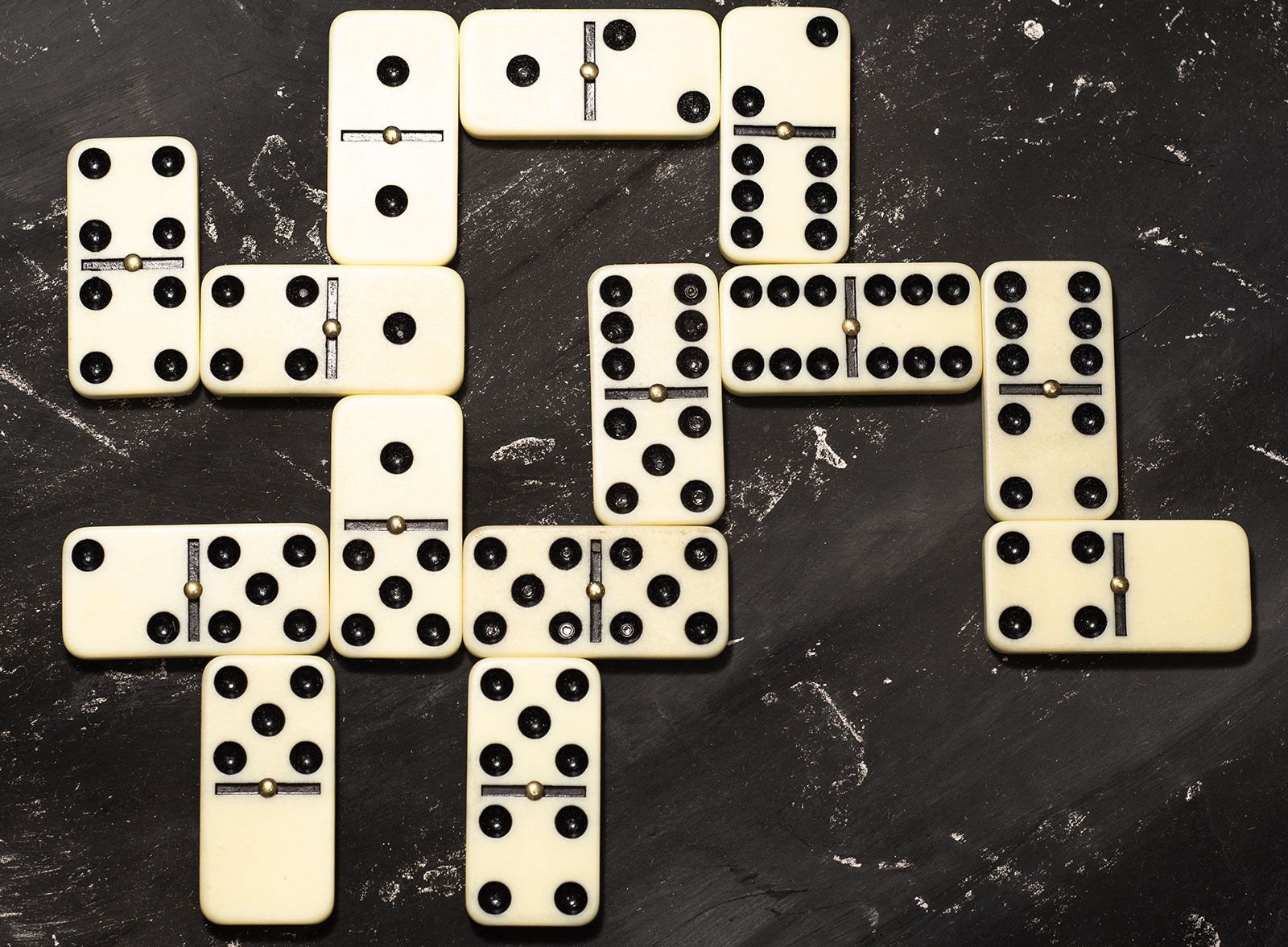
The game dominoes originated in China.
Have you ever wondered about the fascinating history behind those little rectangular tiles? Where did the game dominoes originate, exactly? It’s a question that takes us on a journey across continents and through time.
The game’s roots trace back to ancient China, a place where many popular games first emerged. They were not the same as the dominoes we know today. These early tiles were used for far more than just simple games.

Where Did the Game Dominoes Originate?
Ever wondered where those little rectangular tiles with dots came from? The game of dominoes, enjoyed by families and friends across the globe, has a fascinating history that stretches back centuries. It’s a story that weaves through cultures, combining ancient traditions with clever design. Let’s take a trip back in time and explore the roots of this classic game.
Ancient China: The First Dominoes
Many historians believe that dominoes didn’t pop up all of a sudden. They have roots in ancient China. Around the 12th century, during the Song Dynasty, it is thought that domino-like tiles appeared. These weren’t exactly the same as the dominoes we know today, but they were a crucial step in the game’s development. These early tiles were sometimes made of bone or ivory and represented different combinations of throws of two dice. Imagine the people long ago playing with these early versions, figuring out different strategies! These weren’t just for fun, though. They were also used for things like divination – a way of trying to see into the future. That’s a pretty cool origin, isn’t it?
The Significance of Dice
To really understand early dominoes, we need to look at dice. Dice were very popular in ancient China. The markings on early dominoes matched the possible results of rolling two dice. This link to dice gives us a big clue about how dominoes developed from something that wasn’t just a game, but also a tool. For example, the tile with two dots on each side represents two 2s on a pair of dice. This connection to dice rolling is a vital part of domino’s story.
From Divination to Game
As time passed, these tiles evolved from tools of divination into playing pieces for games. People started arranging them in different ways, trying to match up the patterns. This was the beginning of what would become the dominoes we play today. The shift from divination to a social game is a fascinating journey showing how cultural practices can change over time. It’s not just about dots and tiles; it’s about the ways people throughout history have found ways to connect and enjoy themselves.
Dominoes Journey West: The Move to Europe
Now, how did dominoes make their way from China to Europe? That’s another intriguing part of the story. It is thought that dominoes probably arrived in Europe sometime in the 18th century. The exact path they took isn’t perfectly clear, but trade routes and cultural exchanges played a role. As ships traveled between East and West, they carried goods and ideas – including this new type of game.
Italy: A Hub for Early Domino Play
Many believe Italy is the first place in Europe where dominoes gained popularity. They were a big hit, especially in the southern regions. The tiles were often made of bone, ivory, or even ebony. Imagine the lively scenes in Italian cafes, where people spent hours enjoying these new games! From Italy, dominoes spread to other parts of Europe, each region adapting and embracing the game in their own way.
The Spread Across Europe
From Italy, dominoes made their way into France, Spain, and eventually the rest of Europe. Different versions of the game started to appear, each with its own local twist. It wasn’t just one uniform game anymore. Each region began creating their own set of rules. As it traveled from country to country, the game was transformed with a distinct personality. This spread across Europe highlights the dynamic nature of games and how they can evolve as they travel across different cultures.
Dominoes in the Americas
The story doesn’t end in Europe. When Europeans sailed across the Atlantic, they brought dominoes with them. The game quickly took hold in North and South America, becoming popular among people of all backgrounds. Think of it this way: the same game that entertained people in ancient China ended up delighting folks across the ocean centuries later.
Dominoes in the Caribbean
Dominoes are very popular in the Caribbean. Different islands have their own variations of play and unique cultural significance. In some places, dominoes are more than just a game; they’re a social event, played in loud and friendly competitions. The sound of dominoes clicking on tables is part of the everyday soundtrack in many Caribbean towns.
Dominoes in the United States
In the United States, dominoes became a beloved game in diverse communities. Different regional variations also took hold. From casual family games to serious competitive matches, dominoes have a special place in American culture. It shows how games can find a place in different communities and adapt to the traditions and styles of its player. Its continued popularity is a testament to its simple, yet fun nature.
Types of Dominoes
The game of dominoes, however, is not only a single game played the same way everywhere. Over the years, it has developed multiple forms based on the region and culture where people play. Let’s take a look at some of the most common variations that people love playing.
- Block Dominoes: This is one of the simplest forms of the game. Players try to place tiles from their hand and connect matching ends. The goal is to get rid of all the tiles in your hand before your opponents. If you block the game, then you should pass to the other player.
- Draw Dominoes: In this version, players can draw more tiles from the “bone yard” (a pile of face-down tiles) if they can’t play from their hand. It is similar to Block Dominoes but with an added option of drawing a tile from the bone yard.
- Muggins or All Fives: This variation adds a scoring twist. Players earn points for making the ends of the domino chain add up to multiples of five. This game adds a bit more strategy, as you can place the tiles in a way that gives you more score.
- Matador: This fun variant requires matching the numbers that are used for your tiles. This version involves adding up all the different combinations in your hand in order to match the tiles in your hand with the tiles on the table.
- Mexican Train Dominoes: This fun and social game allows players to create individual “trains” of dominoes, as well as a common “Mexican Train”. It is a very popular game enjoyed by many people.
Materials: How Dominoes Are Made
Dominoes have been made from different materials. Over time, the materials changed due to availability, cost, and technology improvements. Let’s see some of the material that is used for making dominoes:
Traditional Materials
The earliest dominoes were often made from bone or ivory. These materials were sturdy and could be beautifully carved. However, because they were somewhat expensive they were not accessible for everyone. Bone and ivory dominoes give a traditional and classic feel.
Modern Materials
Today, dominoes are made from different types of plastic, such as resin or acrylic. These are more durable, inexpensive, and come in various colors. Plastic dominoes are very common, and they are easy to find. Other materials used for making dominoes include wood and ceramic material as well.
Here’s a simple comparison:
| Material | Pros | Cons |
|---|---|---|
| Bone/Ivory | Classic feel, durable | Expensive, less accessible |
| Plastic | Inexpensive, durable, versatile colors | Less traditional feel |
| Wood | Natural look, sturdy | Can warp or break with time |
Dominoes: More Than Just a Game
Dominoes is so much more than just a game, though. It’s a way to connect with friends and family, a chance to challenge our minds, and a link to our history. The game transcends cultures, language, and ages. It’s an example of a pastime that has stood the test of time, continuously evolving and still loved by millions.
The Social Element
Playing dominoes is often a social event, whether it’s a friendly game or a competitive tournament. It provides people with opportunities to gather, talk, and enjoy each other’s company. From noisy street games to more quiet family gatherings, dominoes brings a sense of community. It’s really interesting how such a simple game can create many great memories for the people playing.
Cognitive Benefits
Dominoes aren’t just fun; they also help us think and strategize. Players need to plan their moves, predict what their opponents might do, and manage their tiles. Playing games like dominoes helps us to improve memory and problem-solving skills. The game isn’t just random fun but it also helps our brains and that makes it a great way to spend our free time.
A Global Phenomenon
From the ancient times of China to its popularity in all regions of the world, dominoes demonstrate how games can adapt and connect people from different places. It is a perfect example of how the game can have universal appeal. Each region adds its unique culture to the game. From the loud, festive games played in the Caribbean to quieter family games in homes across Europe and the US, dominoes have become part of cultures all over the world.
So, the next time you play a game of dominoes, remember the long journey those little tiles have taken. From ancient China to your tabletop, they carry a rich history and an amazing story of culture, innovation, and fun. Dominoes are more than just dots and lines; they’re a piece of our shared human history, a legacy passed down from one generation to the next.
The History of Dominoes
Final Thoughts
Dominoes’ true origin remains a bit of a puzzle. Historians suggest the game likely evolved from playing cards or dice in China around the 12th century. This makes the answer to the question ‘where did the game dominoes originate’ surprisingly old.
Some believe the game then traveled to Europe through trade routes. Its presence became noticeable in Italy and France during the 18th century. Therefore, dominoes’ history spans both continents, making its beginnings quite interesting and geographically diverse.

