
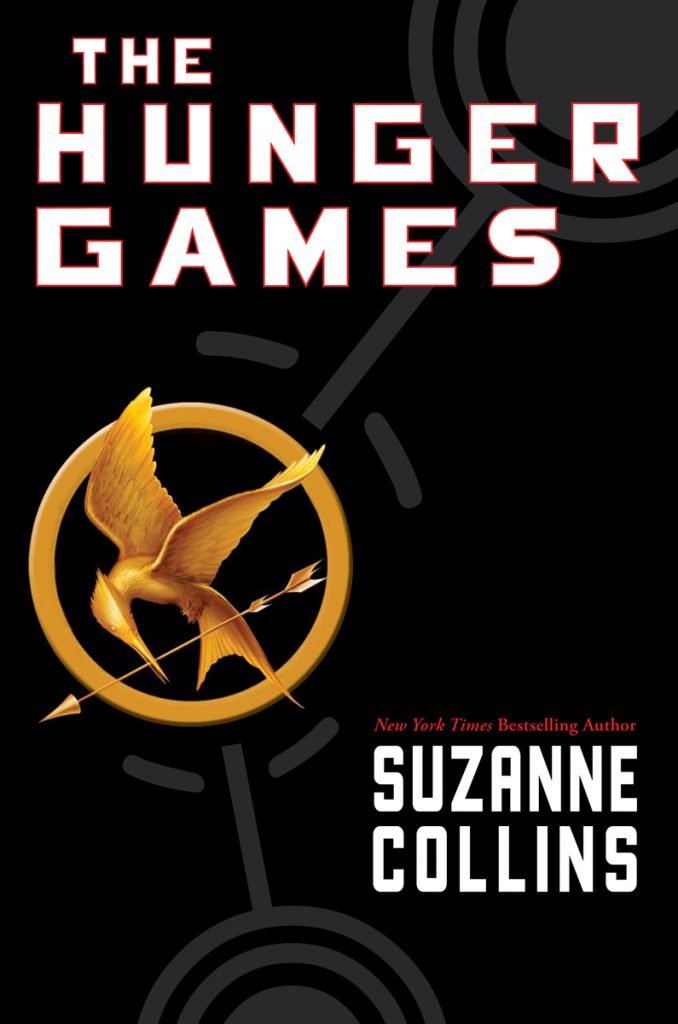
The Hunger Games series is not currently banned in any country, though some schools and libraries in the US have challenged or removed it.
The dystopian world of Panem and its brutal Hunger Games has captivated readers, but has also faced scrutiny. Concerns about violence and mature themes have led some to question its place in certain settings. This naturally leads many to ask, where is the hunger games banned?
While no nation has officially outlawed the books, some educational and community institutions have opted for removal. These actions usually stem from specific challenges brought forth by parents and community members.

Where is The Hunger Games Banned?
The Hunger Games series, with its gripping story of survival and rebellion, has captivated readers and viewers worldwide. But not everyone has embraced Panem’s dystopian world. Surprisingly, this popular series has faced challenges, leading to its banning or restriction in certain places. Let’s dive into where the books and movies have encountered such issues and explore the reasons behind these decisions. We will examine the instances of banning and address the specific concerns raised against this literary and cinematic sensation.
Understanding Book Challenges and Bans
Before we pinpoint specific places where The Hunger Games is banned, it’s important to understand what a ‘book challenge’ and a ‘book ban’ mean. A book challenge is when someone asks for a book to be removed from a library or school curriculum. This usually comes from a concern about the book’s content. A book ban, on the other hand, is when a book is actually removed. It means that a specific group or community decided they do not want the book available to its members, especially young readers.
Common Reasons for Challenges
Several common themes fuel challenges to books, and The Hunger Games series is no exception. Here are some of the main reasons why people have raised concerns:
- Violence: The series is undeniably violent. It depicts children fighting to the death, which can be disturbing for some readers and parents. The graphic descriptions of the Hunger Games themselves can be perceived as overly aggressive and desensitizing.
- Dark Themes: The overall tone of the series is quite dark and pessimistic. The themes of oppression, poverty, and the loss of innocence can be very heavy. Some believe that such dark themes are inappropriate for younger audiences, and could cause anxiety or fear.
- Political Messages: The Hunger Games is a political story. It addresses issues of government control, inequality, and revolution. Some people feel that it pushes a particular political viewpoint, which they disagree with, or that the political messages are not appropriate for children.
- Age Appropriateness: Some believe the content is simply too intense for the target audience, citing the age of the characters and the graphic nature of some events. Parents might feel that these themes are too mature for young teenagers.
Specific Locations and Instances of Bans or Restrictions
While The Hunger Games is not banned outright in many countries, it has faced challenges in certain locations, mostly within schools and libraries. These restrictions aren’t always formal bans but often involve limiting access to younger children or requiring parental permission for borrowing or reading.
United States
The United States has seen numerous challenges to The Hunger Games series in school libraries and classrooms. The American Library Association (ALA) consistently lists it as one of the most challenged books. These challenges usually come from parents and school administrators.
School Libraries and Curricula
Many school districts have faced pressure to remove the series from their shelves. Some schools have opted for restricted access, placing the books in “young adult” or “senior” sections and sometimes requiring parental consent for checkout. Specific complaints include the violence and mature content, which some perceive as unsuitable for young or middle school students. The books are often included in “banned book” lists compiled by advocacy groups. While these are often requests or complaints from school boards, they represent significant attempts to limit access. Many libraries have retained the books, but often with new policies in place regarding age appropriateness and access.
Community Libraries
Public libraries have also dealt with challenges to the series. While outright bans are rare, libraries often respond to concerns by labeling the book with age recommendations or moving it to areas more suitable for older teens. The discussion about appropriate content for young adults is constantly evolving, making the status of books like these somewhat fluid. There have been situations in certain communities where libraries have been pressured to remove the books, often leading to public debates.
Other Countries
While the bulk of challenges occur in the United States, there have been isolated incidents in other countries. However, complete bans are very uncommon. More often, concerns about age appropriateness guide library decisions rather than outright censorship.
Instances in Other Countries
Here are a few examples of places where the books have generated conversation:
- Canada: Similar to the US, some Canadian schools and libraries have received challenges over the violence and dark themes. The response has been varied, often depending on the province and the school district’s policies.
- United Kingdom: There have been some discussions regarding the book’s suitability for younger children, particularly in school libraries. However, widespread restrictions or bans are not the norm.
- Australia: While not completely banned, some schools and libraries have debated access to the series, often focusing on the violence and the mature themes.
- Other European Countries: Across Europe, responses have varied. Generally, there is a greater acceptance of mature content for young adults, but discussions regarding age appropriateness have been present.
The Debate Around Banning Books
The question of banning books is complex. Supporters of book bans often argue that they’re protecting children from inappropriate or harmful content. They emphasize the potential impact of exposure to violence, dark themes, and certain political ideas. On the other hand, opponents of book bans argue that such actions limit intellectual freedom and restrict the ability of individuals to make their own choices about what they read. They believe that banning books can lead to censorship and impede education.
Arguments Against Banning
Here are key arguments against banning The Hunger Games and similar books:
- Intellectual Freedom: Everyone should have the right to access a wide variety of books and ideas. Limiting access is seen as a violation of this right.
- Critical Thinking: Reading complex, challenging books can encourage kids and young adults to think critically and grapple with difficult ideas. When exposed to different viewpoints, young people can develop more nuanced perspectives.
- Preparation for the Real World: Many believe that it’s important to expose children and young adults to difficult issues because these things exist in the real world. Books like The Hunger Games can encourage discussions about these topics.
- Parental Guidance: Parents, not libraries or schools, should guide the reading material for their children. If there are concerns, the solution is to have open conversations about the book.
Impact of Challenges and Restrictions
Even without outright bans, challenges and restrictions can have a significant impact. When a book is targeted, it can generate controversy and attract even more attention. Often, this leads to increased awareness and readership, demonstrating the “Streisand effect,” where attempting to suppress something only draws more attention to it.
Increased Awareness and Sales
When a book faces challenges, that can lead to:
- More Reading: Often, when people try to remove a book, this often causes other people to want to read it. They become curious about why it would be banned or challenged.
- Public Discussion: Book challenges also spark public discussions. This can raise awareness about issues like censorship, intellectual freedom, and parental roles in reading choices.
- Support for Libraries and Schools: Challenges can also draw attention to libraries and schools and the important role they play in education. It causes communities to reflect on their values and how they support public institutions.
Moving Beyond Bans: Open Discussions
Instead of resorting to bans, a more productive approach is to have open discussions about books and their content. This involves parents, teachers, librarians, and students talking about the themes, ideas, and messages in the books. When young readers engage with these books in a controlled environment, this provides an opportunity for important educational conversations to take place. This approach is much more beneficial than simply trying to block access to literature.
Promoting Healthy Discussions
How to foster healthy conversations about books:
- Book Clubs: Encourage book clubs in schools, libraries, and homes. Talking about books with peers is an excellent way for readers to explore these complex topics.
- Classroom Discussions: Teachers can use books like The Hunger Games to start important dialogues about social justice, politics, and human behavior.
- Parent-Child Talks: Parents should engage with their kids about what they’re reading. This can help them understand the book and develop critical thinking skills.
- Library Programs: Libraries can host events and programs that explore various viewpoints regarding popular books. This will help people understand various perspectives.
The Enduring Appeal of The Hunger Games
Despite the challenges and restrictions, The Hunger Games continues to resonate with readers and viewers. The story’s themes of courage, resistance, and the importance of standing up for what’s right have made it a timeless tale. The series encourages deep reflection about many things: society, government, and the power of individual actions. Even with some opposition, the books and movies continue to spark conversations, demonstrating the importance of open dialogue and the power of storytelling.
The journey of The Hunger Games is a testament to how literature can influence society, how it can inspire debate, and how it challenges us to think critically. Despite concerns about violence and mature themes, the books have undeniably made a profound impact on readers across the globe, prompting important discussions about many important topics. As we move forward, open communication and critical thinking remain essential in how we approach literature and the ideas it presents.
The Hunger Games: The REAL Reason Behind Its US Ban
Final Thoughts
The Hunger Games series, while globally popular, does not face a widespread ban. Some schools and libraries have challenged it, citing violence, but outright national bans are uncommon. Concerns about graphic content lead to these challenges.
Ultimately, understanding the controversy around ‘where is the hunger games banned’ reveals localized issues rather than widespread prohibition. These debates often reflect varying community values related to young adult literature.

