
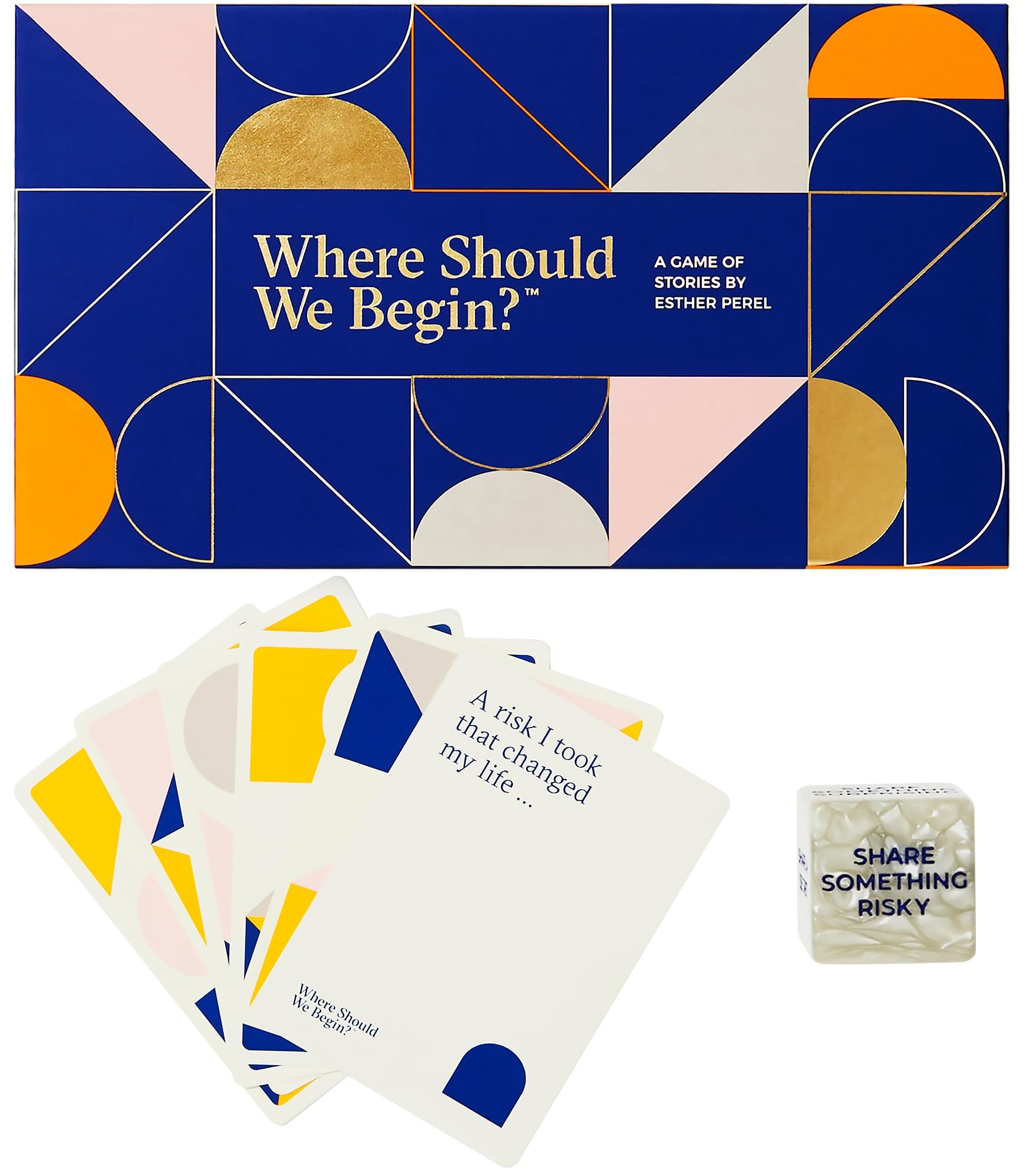
‘We begin a game of stories by choosing a prompt, a character, or a setting that sparks our imagination.’
Ever felt that blank page dread, that creative paralysis when you want to weave a tale but don’t know where to start? You’re not alone; many grapple with this. Where should we begin – a game of stories can feel overwhelming, a vast expanse of possibilities without a clear starting point.
It’s a common hurdle, but with a few simple tricks, you can make it easy. A seed of an idea, a single word or image, can become the heart of your narrative adventure.

Where Should We Begin – A Game of Stories
Have you ever sat down with a group of friends, ready to spin a yarn, but then… silence? Everyone looks around, wondering, “Okay, so… where do we even start?” That’s where the magic of story prompts comes in. It’s like having a tiny spark that ignites a roaring fire of imagination. In this big world of make-believe, we’re going to explore some exciting ways to begin a game of stories and make sure everyone gets a turn to shine.
The Power of a Good Starting Point
A great story needs a great beginning. Think of it like building with LEGOs. You can’t build a super cool castle if you don’t have that first block. Story prompts are those first blocks. They’re little ideas, little nudges that help us start creating worlds and characters. They help us bypass the initial “I don’t know what to say” feeling and jump right into the fun part.
Without a solid starting point, our minds can sometimes feel a bit blank, like an empty canvas. Story prompts act like a gentle brushstroke, providing a direction and a purpose to our creative ideas. They allow us to collaborate, to learn from each other, and to simply have a good time creating together. Whether you are young or old, a seasoned storyteller or just beginning, everyone can find something in the magic of story prompts.
Types of Story Prompts
Just like there are many different kinds of LEGOs, there are many different kinds of story prompts. Let’s look at a few different ways we can get our stories started:
Character-Based Prompts
These prompts focus on who the story is about. They can provide details about the character’s personality, their job, or even something unusual about them. Here are a few examples:
- “A shy librarian who secretly trains dragons.”
- “A mischievous inventor who creates gadgets that always backfire.”
- “A brave knight who is scared of butterflies.”
- “A talking cat who is secretly the mayor of a small town.”
Setting-Based Prompts
Setting prompts give us the “where” of the story. They might tell us about a specific place, time, or even a strange environment. Here are some examples:
- “A hidden city inside a giant tree.”
- “A school where the classrooms are all underwater.”
- “A planet made entirely of candy.”
- “A time machine that takes you only to the year 1842.”
Plot-Based Prompts
Plot prompts focus on the “what happens” in the story. These might give you a simple event to build from or a problem that needs solving. Some examples include:
- “A package arrives on the doorstep, but it is ticking.”
- “The town’s magical wishing well has gone dry.”
- “Someone discovers a secret map hidden inside a library book.”
- “A group of friends accidentally invent a new color.”
Object-Based Prompts
These kinds of prompts revolve around a specific item, giving it importance in the story. Here are some examples:
- “A magical compass that always points to the opposite of what you want.”
- “A pair of old boots that can walk on water.”
- “A mirror that shows you your future.”
- “A music box that only plays sad songs.”
Mix-and-Match Prompts
For an extra bit of fun, you can mix different kinds of prompts together. This can lead to really unique and surprising story ideas. For example:
- Combine a character prompt (“a clumsy wizard”) with a setting prompt (“a floating island”)
- Use a plot prompt (“a talking dog goes missing”) and add an object prompt (“a tiny silver whistle”)
How to Use Story Prompts
Now that we have some ideas for prompts, let’s talk about how to actually use them in a storytelling game:
The Round Robin Method
In this method, one person begins the story with the chosen prompt. Then, each person takes turns adding a sentence or two. This method is great for collaboration and seeing where everyone’s imagination leads the story.
The Individual Story Method
Everyone is given the same prompt but they each create their own unique stories individually. This is a great way to see the different interpretations and ideas that one prompt can bring. After the individual stories have been created, everyone can share with the group. You will be amazed how different each story will be from each other.
The Dice Roll Method
Create a list of character, setting, and plot prompts and assign each category a number. Roll dice for each category to create your random story prompt. For example, if you roll a 2 for character, a 3 for setting and a 1 for plot, you would need to make a character story with the #2 character, a #3 setting and incorporate #1 plot in your story. This can create some unusual combinations and stories.
The Story Bag Method
Write down various prompts on small pieces of paper and place them into a bag or hat. Each participant takes out a random prompt and starts with that. This can work with single prompts or by having multiple bags and having each participant pick one from each category.
Tips for Making it More Fun
- Don’t be afraid to be silly. Sometimes the silliest ideas are the most fun.
- Build on each other’s ideas. Don’t be afraid to add your own spin to what others have said.
- Encourage everyone to participate. Make sure that everyone feels comfortable sharing their ideas.
- Don’t worry about making it perfect. It’s about having fun and using our imaginations, not about creating a perfect story.
- Take notes. Keep track of the prompts and ideas as they are shared. You may wish to use them later.
- Add sound effects. Make the game fun by including sound effects when appropriate
Benefits of Playing Story Games
Playing story games is not just fun, it also helps us learn and grow in many ways. Here are some of the cool things that story games can do for us:
Boosts Creativity
Story games encourage us to think outside the box. When we have to come up with new characters, settings, and plot twists, we stretch our minds and become more imaginative.
Develops Communication Skills
When we play story games, we need to listen carefully to others and build upon their ideas. This helps us become better communicators and learn to collaborate with others.
Improves Listening Skills
To keep the story flowing, we must pay close attention to what everyone is saying. This strengthens our listening skills and allows us to better understand and follow along with the story.
Builds Confidence
Sharing our stories and ideas can be a little scary sometimes, but the more we do it, the more confident we become. Storytelling games provide a safe and supportive place to practice sharing our thoughts.
Encourages Problem Solving
Sometimes, the prompts or story directions can lead to creative problems. We must figure out how to get past these challenges using our imagination. This is the same kind of problem solving we use in the real world.
Enhances Language Skills
Storytelling involves playing with words. This can help us improve vocabulary, grammar, and the ability to put thoughts into coherent sentences.
Creates Lasting Memories
Playing story games with friends and family is a wonderful way to make lasting memories together. The shared laughter and creative energy will leave a positive and memorable impression.
Fun for All Ages
Story games are something that everyone can participate in. The youngest and the oldest in your group will be able to enjoy the benefits of sharing a story together.
Adapting for Different Groups
Whether you are playing with a group of younger children, teens, or even adults, you can adapt the game to make it more suited for your group. Here are some examples:
For Younger Children
- Use simpler prompts.
- Keep the rounds shorter.
- Use props or visual aids.
- Make it more collaborative by having everyone add one word at a time, rather than a whole sentence
For Teens and Adults
- Use more complex prompts.
- Allow for longer storytelling turns.
- Add elements of character development.
- Have more open ending and see where it leads.
Example Story Game in Action
Let’s see how a story game might play out with some friends. We’ll use the “Round Robin” method and the prompt: “A robot who loves to bake.”
Person 1: “Unit 734, or ‘Barty’ as he preferred, was not like the other robots. Instead of calculating trajectories or assembling circuits, Barty’s passion was baking.”
Person 2: “His kitchen was a chaotic mix of wires and whisks, with flour dusted all over his metallic chassis.”
Person 3: “One day, Barty decided to enter the annual robot baking competition, but he had a problem: his oven only had one setting, ‘Nuclear Blast’.”
Person 4: “He tried all kinds of ways to cool the oven, from adding ice blocks to using high speed fans, but it was no use, everything turned to charcoal in seconds.”
Person 1:” So Barty decided to change his recipe. Instead of baking something warm, he made a layered ice cream cake with his own special blend of robot-friendly flavor enhancers.”
Person 2:” The other robot competitors were surprised by Barty’s entry and even more surprised at the delicious flavor and unique design.”
Person 3:” Barty didn’t just win the baking competition, he won the admiration of all the robots, and even got a job in the best bakery in town.”
Person 4: “And so, Unit 734, the robot who loved to bake, lived happily ever after in his own bakery.”
See? Just one little prompt and a bit of collaboration can lead to a really fun and creative story. The possibilities are endless.
Playing a game of stories is more than just entertainment; it’s a wonderful way to connect with others, build creativity, and exercise our imaginations. The next time you find yourself looking for a fun activity with your friends or family, consider starting a story game. You never know what kind of amazing worlds and characters you might create together. With a little imagination and the perfect starting point, your stories are waiting to be told!
Where Should We Begin Game of Stories Conversation Cards for Couples, Friends, & Co Workers
Final Thoughts
Starting the storytelling journey can feel overwhelming, but it doesn’t have to be. Small steps with clear purpose are key. Begin by identifying your core message and the emotions you want to evoke.
Remember that practice makes perfect in telling compelling narratives. ‘where should we begin – a game of stories’ becomes much clearer with experimentation. Engaging with different formats and techniques strengthens your ability to capture your audience effectively. This is a must for improving your skill.

