
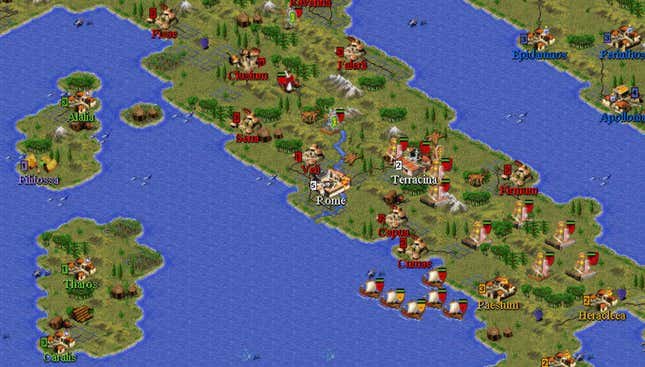
Civilization VI is often considered the best civ game due to its engaging gameplay and strategic depth.
Settling down for an evening of world domination? The debate on which civ game is the best rages on among fans. Each title offers a unique spin on the core formula.
Some prefer the streamlined gameplay of older titles. Others are drawn to the complex systems and beautiful graphics of the newer installments. The series has evolved significantly over the years.
Ultimately, the “best” is subjective and depends on personal preference. Let’s delve into what makes each game special.

Which Civ Game Is the Best?
Choosing the “best” Civilization game is like picking your favorite flavor of ice cream – everyone has different tastes! Each game in the series offers something a little different, making the question of which is truly “best” a fun one to explore. We’re going to dive into some of the main contenders, looking at what makes them special and helping you figure out which one might be your perfect pick. Let’s journey through history and strategy together!
The Granddaddy: Civilization (1991)
Where it all began! The original Civilization, often called Civ 1, laid the foundation for everything that followed. It was a groundbreaking game at the time, mixing turn-based strategy with historical themes. Think of it like planting the seed of a giant sequoia tree. It’s simple compared to later games, but it was revolutionary. You start with a single settler unit and have to explore the world, build cities, and research technology to advance your civilization from the ancient age to space exploration. It’s a fantastic experience to return to, seeing how the game has evolved.
Key Features of Civ 1
- Simple city management: Build structures to increase population and productivity.
- Basic tech tree: Research advances to get new units and buildings.
- Early exploration: Discover resources and other civilizations.
- Combat: Simple but effective combat system.
While it lacks the complex mechanics and graphical fidelity of modern installments, its historical significance and its simple yet addictive nature makes it a worthwhile experience for anyone interested in the history of the series. It shows you the bare bones of what makes a civ game a civ game.
The Modern Classic: Civilization IV (2005)
Many fans consider Civilization IV to be the pinnacle of the series. It brought a lot of new features and refinements to the gameplay. It had a more complicated religion system, where you could found religions that give you unique bonuses. It also had a very good modding community which made the game very interesting and expanded its life. For many, Civ IV is where the series truly matured and became more complex than before. It was not the first to do some of these things, but it was probably the first game to do them really well.
Key Features of Civ IV
- Religion system: Found, spread, and benefit from different religions.
- Great People: Generate special units that provide powerful bonuses.
- Culture victory: Reach a high culture level and win by becoming world famous.
- Complex tech tree: A wide range of technologies to research.
- Varied civilizations: Unique units and traits for different civilizations.
Civilization IV is known for its depth and replayability. It’s the game many veterans return to, and it’s a solid choice for people who want a more traditional Civ experience. The game’s focus on culture and the importance of generating great people, is something that really stands out. The great people system allows you to be strategic about where to spend your population to generate these people.
The Streamlined Experience: Civilization V (2010)
Civilization V brought a major change to the series, introducing hex-based tiles instead of the traditional squares. This dramatically changed tactical gameplay, making combat more interesting and the placement of cities more important. The game also implemented one unit per tile, which changed combat, requiring you to be more strategic with your troop placement and make sure you have supporting units and defensive lines. This means you couldn’t stack an army in one tile and just steamroll the enemy.
Key Features of Civ V
- Hex-based map: New map system for strategic gameplay.
- One unit per tile: Changes combat tactics.
- City-state system: Interact with minor nations for bonuses.
- Social policies: Customize your civilization’s development.
- Diplomacy: Improved diplomacy system that allows for more negotiations with the AIs.
Civilization V aimed to be more accessible while still maintaining a lot of depth. The change to hexes and one unit per tile were big changes which had great impacts on gameplay. It is still a fan favorite for people new to the series and even veteran players.
The New Standard: Civilization VI (2016)
Civilization VI is the latest main entry in the series, and it keeps pushing things forward. A key addition is the unstacking of cities. In earlier games, all buildings were in one city center. In Civ VI, some buildings, called districts, have to be placed on the tiles around your city center. This adds another layer of strategic depth to city planning and forces you to think about how your city will expand before you even build it. The game also has a more animated art style which is very appealing to some people. The gameplay is also more complex than previous games, so some players may feel this as a pro and others as a con.
Key Features of Civ VI
- Districts: Plan your cities on the map.
- Government system: Customize your civilization’s government.
- Civics tree: Culture and policy system to develop your civilization.
- Leader agendas: Each leader has hidden agendas that influence their diplomacy.
- Improved graphics: A more cartoon style.
Civilization VI is constantly being updated with new content and balance changes and is the most modern version of Civilization. Its complexity and unique systems make it a deep experience and a worthy successor in the series. It can be a lot to learn, but the feeling you have when you get it right is fantastic. If you want the most modern experience in the series this is the game for you.
Beyond the Main Series: Spin-offs and Variations
Beyond the core numerical series, there are several spin-offs and variations that offer unique gameplay experiences. While they might not be for everyone, they have something special to offer for people who want different themes and experiences.
Civilization: Beyond Earth (2014)
Beyond Earth takes the Civ formula to a science fiction setting. Instead of historical civilizations, you start with colonists leaving Earth to settle a new alien planet. It changes from a historical theme into a futuristic sci-fi one, which can be a welcome change. This game takes all of the main systems of the previous civ games and just puts it in a new setting. This allows you to play the main gameplay but in a different world, which can be very interesting.
- Sci-fi theme: Colonize alien planets.
- Tech web: A new technology system.
- Affinity system: Choose a path that changes your civilization.
- New units: Futuristic units.
Civilization Revolution (2008)
Civilization Revolution was designed for console gaming, and it’s a more simplified version of the traditional Civilization gameplay. Its aim was to be more approachable and faster paced than the main series games. While it lacks the complexity of other titles, its simple mechanics make it very easy to understand and play for people unfamiliar with the series.
- Simplified gameplay: More accessible and faster paced.
- Focus on core mechanics: Simplified versions of main civ systems.
- Designed for console: Easier controls.
Comparing the Contenders
To help you better understand the differences between these games, let’s compare some key aspects:
| Game | Complexity | Key Feature | Accessibility | Graphics |
|---|---|---|---|---|
| Civilization (1991) | Simple | Foundation of the series | Very Easy | Retro |
| Civilization IV (2005) | High | Religion and Great People | Moderate | Dated |
| Civilization V (2010) | Moderate | Hex-based tiles and one unit per tile | Easy | Good |
| Civilization VI (2016) | High | Districts and Government System | Moderate | Cartoonish |
Which One is Right for You?
So, with all of this information, which game should you play? It really depends on what you’re looking for:
- For the Historical Fan: If you love to learn about history then playing the original Civilization or the fourth installment, Civilization IV, would be the best option.
- For the Strategy Player: If you want the most strategic and complex gameplay, then you should play either the fourth or sixth installments.
- For the Newcomer: If you have never played a Civilization game then the fifth entry is a great place to start.
- For the Sci-Fi Lover: If you want to build a futuristic empire then go with Civilization: Beyond Earth.
Each game offers a unique way to play and explore history, so trying out a few might be the best way to figure out your own favorite.
Ultimately, there is no single “best” Civilization game. Each one is a fantastic experience in its own way, and choosing one depends on your own preferences. Whether you enjoy the simplicity of the original or the modern complexity of the latest games, each one has something to offer.
Sid Meier's Civilization Tier List | Ranking Civ from 1 to 6
Final Thoughts
Ultimately, the ideal game depends on personal preference. Civ V offers a great balance and strong mod community. Civ VI introduces complex systems, appealing to strategy fans. While each has strengths, which civ game is the best remains subjective.
The core gameplay, a driving factor, is excellent across many titles. Each iteration brings new ideas and sometimes, completely new ways to play. We believe a true choice must be based on your style.

