
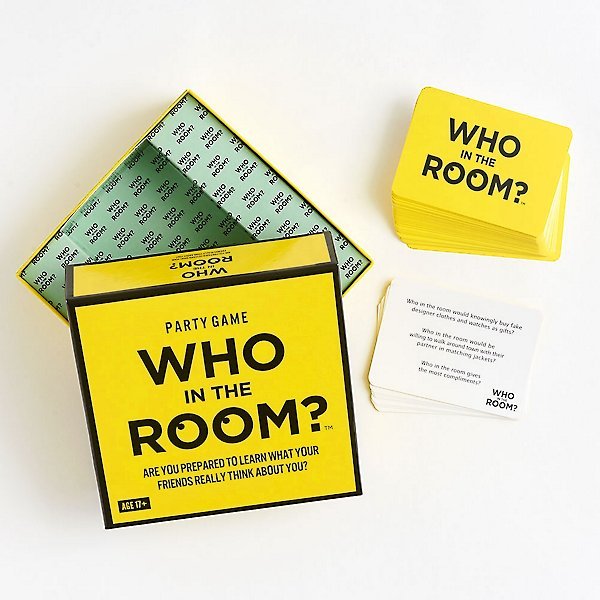
The ‘who in the room game’ is a fun icebreaker where participants ask questions beginning with “Who in the room…” to identify individuals with shared experiences or traits.
Ever find yourself in a group and want to know people better quickly? That’s where the ‘who in the room game’ shines. It’s a fantastic way to get to know a group without needing lengthy explanations.
This game uses simple, question-based prompts that can be silly or insightful. It encourages interaction and allows for a shared laugh and understanding. You can easily adapt ‘who in the room game’ for different group sizes and dynamics.

Who in the Room Game: The Ultimate Guide to Fun and Laughter
The “Who in the Room” game is a fantastic way to spark conversations, reveal funny truths, and just have a blast with friends, family, or even new acquaintances. It’s a simple yet endlessly entertaining game that can be played anywhere, anytime. The basic idea is to ask a question about someone in the room, and everyone has to point at the person they think fits the description best. But there’s so much more to it than just pointing! Let’s dive deeper into the world of this super fun game and explore all its amazing possibilities.
The Basics of the Game: How to Play
The core of the “Who in the Room” game is pretty easy to grasp. Here’s how it generally goes:
- Gather Your Players: You’ll need at least two people to play, but the more, the merrier! The more diverse the group, the more interesting the answers usually get.
- Choose a Question Master: One person starts by asking a “Who in the Room” question. This person can rotate throughout the game.
- Ask the Question: The question should start with “Who in the room…” followed by some descriptor or action. Examples include, “Who in the room is most likely to become famous?” or “Who in the room tells the funniest jokes?”
- Everyone Points: On the count of three (or whenever everyone is ready), all the players point at the person they think best fits the question.
- Reveal and Discuss: Once everyone has pointed, take a moment to talk about why people chose who they did. It’s usually a very funny conversation starter!
- Rotate Questioner: Move to the next player to ask a “Who in the Room” question. Keep going until you’re out of ideas or everyone’s had enough laughter.
It’s not about being right or wrong, it’s all about the fun and the interesting perspectives that come up. The discussion can be as good as the game itself!
Crafting the Perfect “Who in the Room” Question
The quality of your questions can really make or break your game. Here are some tips to help you come up with questions that are engaging, funny, and thought-provoking.
Categories of Questions
Thinking about question categories can get your creativity going:
- Humorous Questions: These aim to get laughs. Think about silly habits or funny potential mishaps. “Who in the room would most likely accidentally set off a fire alarm?” or “Who in the room talks to their pets the most?”.
- Positive Questions: Use these to highlight the great qualities of people in the room. “Who in the room has the kindest heart?” or “Who in the room is the most creative?”
- Slightly Mischievous Questions: These are a bit more playful and can be funny if you know your audience. “Who in the room is most likely to get away with anything?” or “Who in the room is most likely to forget something important?”
- Hypothetical Questions: These involve asking about imagined situations, and they are very intriguing. “Who in the room would survive a zombie apocalypse?” or “Who in the room would be the best world leader?”
- Personal Questions: (Use these with caution!) If you know the people well, you can ask questions that are a little more specific to their quirks and characteristics. “Who in the room is the biggest movie buff?” or “Who in the room has the best fashion sense?” Use with caution, though; not all questions work for all groups!
Tips for Question Creation
Here are a few specific tips:
- Keep it Light: Avoid anything that might make someone uncomfortable or self-conscious. The aim is fun, not judgment.
- Be Specific: Vague questions can lead to boring answers. The more specific the question, the more hilarious the results can be. Instead of asking “Who in the room is smart?”, ask “Who in the room would win Jeopardy?”.
- Consider Your Audience: If you’re playing with close friends, you can get away with more playful jabs. If you’re playing with people you don’t know very well, keep it more general and positive.
- Mix It Up: Keep the game fresh by mixing in a variety of different types of questions. Don’t just stick to one type. This helps to keep things interesting and unexpected.
- Brainstorm Ahead: If you’re struggling to think of questions on the spot, prepare a list beforehand! That way, the game can keep flowing without long pauses.
Variations of “Who in the Room”
The beauty of “Who in the Room” is that it’s a flexible game that can be modified in many ways.
The Silent Point
Instead of a verbal question, the person who is “it” can just think of a “Who in the Room” question in their head. Everyone then points silently. This adds a layer of intrigue because you have to figure out everyone else’s thought process, and it can be very funny to see different people pointing at the same person or completely different people.
Story Mode
After you point at someone, the question asker can quickly create a little scenario about why that person fits the description. For example, if you ask “Who in the room is most likely to get lost in a supermarket?” and someone points at your friend, you might say, “Yeah, because I saw them trying to find the cereal aisle the other day, and they got completely confused by the pet food section!”
The Double Point
In this variation, people can point at two people they think are likely candidates. This works well when you have a larger group or when the people are pretty similar. It can help to spark even more discussion!
Categories Only
Instead of open-ended questions, the questioner selects a category (like “Most likely to travel the world,” or “Best cook”) and then everyone points to the person in the room they think fits that category.
The Truth Serum Variation
This is better for smaller, close-knit groups. After everyone points, the person pointed at can say if they agree with that or not, and why. Be prepared for honesty and probably some funny insights.
Why “Who in the Room” is So Awesome
Beyond just being funny, “Who in the Room” offers a number of benefits:
- Icebreaker: It’s an excellent way to start conversations, especially with new groups. The questions are often silly enough to break down any walls and bring people closer.
- Builds Connections: It reveals how people perceive each other. This can lead to fun, interesting conversations and a deeper understanding of one another.
- Improves Observation Skills: Players start to pay attention to the quirks and traits of the people around them. It encourages awareness of others.
- Promotes Laughter: The questions often produce hilarious answers and unexpected outcomes that are bound to make everyone laugh.
- It’s Adaptable: You can play with any group, in any setting, and modify it in ways that suit your needs.
“Who in the Room” for Different Occasions
This game is great in a wide variety of situations:
Family Gatherings
Play “Who in the Room” to spark fun and lively discussions among your relatives. This is a great way to find out new things about your family members and create fun stories that will last for years.
Parties
It is an amazing icebreaker for parties. It gets people talking, laughing, and interacting, which is the perfect recipe for a memorable party.
Classroom Activities
This game can be a great way to promote teamwork, build class spirit, and encourage students to be more observant. It works best when the questions are positive and encourage understanding.
Team Building at Work
“Who in the Room” can provide a light-hearted and fun way for colleagues to get to know each other beyond their work roles. It creates a relaxed environment for team members to connect on a more personal level. Keep it professional and fun, avoid anything personal or potentially offensive.
Road Trips and Travel
Playing “Who in the Room” on a long car trip or while waiting at an airport can pass the time quickly and make the journey much more entertaining.
Tips to Keep the Game Fresh
Even the best games can get stale after a while. Here are some tips to make sure your “Who in the Room” stays fun:
- Rotate the Question Master: Let different people take charge of asking the questions so you have a variety of voices and question types.
- Incorporate Props: Add some physical elements, like small whiteboards to write your answers, or give everyone a unique funny hat.
- Add Theme Nights: Do a “Who in the Room” game night centered on a specific topic or movie or historical figure.
- Change Location: Play the game outdoors, in a cafe, at a park — changing your surroundings can help the game feel new.
- Keep the Conversation Going: After each question, don’t just move on. Discuss the responses and get into why people chose who they did. This will help make each round more interesting.
The “Who in the Room” game is truly a flexible, fun activity that brings people together and creates a lot of laughter. From small groups to big parties, this game can fit any situation, and it’s easy to modify it to match the needs of your group. The key to playing is keeping it light, thoughtful, and above all else, fun. So next time you’re looking for a good time, remember “Who in the Room”!
How To Play – WHO IN THE ROOM?
Final Thoughts
The ‘who in the room game’ is a simple, fun activity. This game promotes laughter and helps people learn about each other quickly. It requires no special equipment, making it perfect for spontaneous gatherings.
Playing ‘who in the room game’ is a must for icebreakers and building group rapport. It is also an effective way to introduce playful competition in teams. Its versatility allows adaptations for various age groups and settings.

