
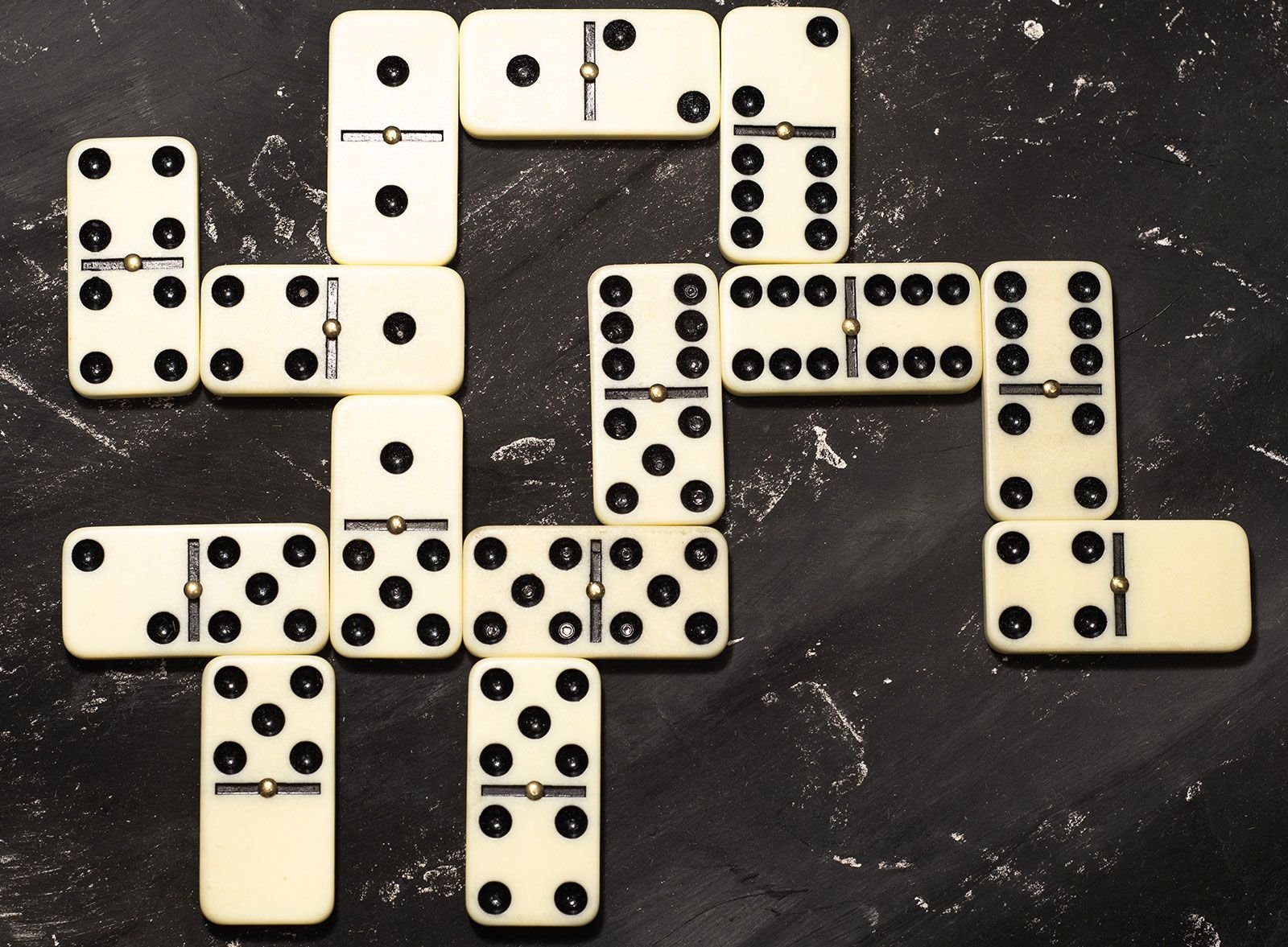
The exact inventor of the dominoes game remains unknown; its origins trace back to China.
The clattering sound of falling tiles has filled game rooms for centuries, but who invented dominoes game? It’s a question that doesn’t have a single, definitive answer. The game’s history is a bit of a puzzle itself, with pieces from different cultures.
We can’t credit one person; instead, dominoes evolved over time. Evidence suggests the game initially emerged in China. It later spread across the world.

Who Invented Dominoes Game?
Have you ever wondered about the history of those fun, click-clacking tiles we call dominoes? It’s a game loved by people of all ages, from kids building elaborate chains to adults enjoying a strategic match. But who exactly came up with the idea of dominoes? The answer, like the game itself, has many layers. Let’s explore the fascinating origins and journey of this classic game.
Early Seeds of the Game: China’s Connection
The story of dominoes doesn’t start in a European country, as some might expect. Instead, the roots of dominoes go deep into ancient China. While the game as we know it wasn’t quite there yet, the early forms of dominoes that appeared in China are considered to be the first steps in the game’s evolution.
The Chinese Tiles: More Than Just Numbers
Around 1120 CE, it is believed that Chinese dominoes appeared. They were not called dominoes back then, of course. These were often referred to as ‘pupai’ or ‘simplified dice’. Unlike our modern dominoes which focus on numbers, the Chinese tiles often had symbols and characters as well. These tiles served multiple purposes. Yes, they were used in gambling but were also used to tell fortunes and even as a form of calendar system.
Early Chinese dominoes also differed from western dominoes in the number of tiles in a set. A standard set of Chinese dominoes had 32 tiles, while the modern western version has 28 tiles. Also, Chinese dominoes have some duplicate combinations, and unique face values, including the highest pip count which is 12 (6 and 6).
- Used for more than just playing games.
- Often had symbols and characters, not just numbers.
- Served as a tool for fortune-telling and calendars.
- Larger sets with more tiles.
The Mysterious Role of Hung Ming
A popular, though likely not historically accurate, story credits a Chinese statesman named Hung Ming for the invention of dominoes. According to this story, Hung Ming invented them as a way to distract his soldiers, keeping them mentally sharp. However, there is very little historical evidence to back up this specific claim. The story is a nice tale, but the truth may not be so clear-cut.
The Journey West: Dominoes Arrive in Europe
So, when did these Chinese tiles travel across the world? The exact timing and route of dominoes’ travel to Europe are not entirely clear. Most evidence suggests it happened sometime in the 1700s. It’s believed traders and travelers might have carried the game to Europe.
The Italian Connection: A European Transformation
Once in Europe, the game experienced a transformation. It is believed that Italy was one of the earliest places in Europe where dominoes appeared. In Italy, dominoes lost their symbolic meanings and primarily turned into the number-based game we recognize today. The game became very popular, and soon, different versions of the game began to spread across the continent.
Here are some of the important changes during this period:
- The symbols and characters were replaced with dots that represented numbers.
- The standard set was reduced to 28 tiles, with a maximum number of six dots on each side.
- New game play rules were created.
The Name ‘Domino’ and its Origins
Where did the name ‘domino’ come from? The name is believed to be derived from the black and white look of the game pieces. This black-and-white design reminded people of the winter hoods worn by Dominican monks, which were traditionally black on the outside and white on the inside. Over time, the black and white tiles became associated with this monk’s hood, giving us the name ‘domino’.
This association is interesting and reveals how cultural influences can impact the names of games. It’s a bit like the story behind why we say ‘checkmate’ in chess – sometimes, the name is connected to history and culture in surprising ways.
Dominoes Spread and Adapt
From Italy, the game expanded its reach throughout the world. The game adapted as it moved to new countries and cultures. Different countries developed their own unique versions of the game.
Popular Domino Games Today
Although there are many different versions of dominoes, some of the most famous ones today include:
- Block Dominoes: A classic version where players match ends to create a line or a chain.
- Draw Dominoes: Very similar to block dominoes but players can draw tiles from the stockpile when they don’t have a match.
- Muggins (or All Fives): Players score points by making the open ends of the chain add up to multiples of five.
- Chicken Foot: Players build a branching formation of dominoes resembling a chicken’s foot, making it a more visually dynamic game.
Each of these variations provides a unique approach to dominoes play, which is a testament to the game’s versatility and enduring appeal.
Dominoes Beyond Gameplay: More Than Just a Game
Dominoes have gone far beyond just a simple game. They have seeped into our culture in many different ways.
Domino Art and Structures
Have you ever watched videos of amazing domino chains? People around the world use dominoes to create fantastic artwork and structures. These are not just simple lines; they are intricate designs that can take hours, days, or even weeks to build. When a chain of dominoes finally falls, it’s a very amazing and satisfying sight.
Dominoes in Popular Culture
Dominoes have made their way into movies, books, and even music. They often symbolize a chain reaction, or how one thing can lead to another. The simple act of knocking over one domino to begin a chain is used as a metaphor to represent the power of small changes that lead to bigger changes.
Dominoes as an Educational Tool
Dominoes can be a great teaching tool for kids. They are helpful in learning basic math concepts like counting, adding, and subtracting. Dominoes can also help develop visual and spatial reasoning. The act of planning and building with dominoes teaches kids problem-solving and critical thinking skills. They also encourage patience and focus.
The Timeless Appeal of Dominoes
The game of dominoes has traveled the world and stood the test of time. It’s a game that is easy to learn but allows for hours of play. Whether you are playing a simple matching game or creating a complex domino art project, there is always something fun to do with dominoes.
The long and interesting history of dominoes shows us how a simple idea can evolve and bring joy to people across the world. From early Chinese tiles to the modern game played in millions of homes today, dominoes continue to be a favorite. While we might not be able to pinpoint one inventor, we can appreciate the many people and cultures who helped create the game we enjoy today.
The History of Dominoes
Final Thoughts
The precise origin of dominoes remains somewhat unclear. Historians generally credit China with the game’s invention. It became popular during the Song Dynasty.
While various stories exist, the actual individual or group responsible for its creation is unknown. This makes definitively stating “who invented dominoes game” impossible. Evidence suggests dominoes migrated to Europe much later.

