
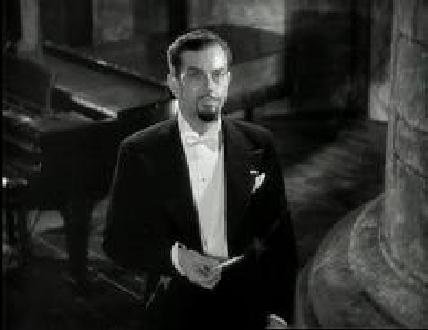
The antagonist in “The Most Dangerous Game” is General Zaroff.
The chilling tale of “The Most Dangerous Game” presents a fascinating question: who is the antagonist in the most dangerous game? While the island itself creates an aura of peril, the true source of conflict stems from one man’s twisted desires. He has an agenda.
General Zaroff, with his refined exterior, reveals himself as a predator, hunting humans for sport. This puts him squarely into the role of the story’s central adversary. He orchestrates the deadly game, making him the ultimate threat.

Who is the Antagonist in The Most Dangerous Game?
The chilling tale of “The Most Dangerous Game” by Richard Connell throws us into a world where the hunter becomes the hunted. While the story is filled with suspense and thrilling action, a key question often arises: who exactly is the antagonist? Is it the seemingly civilized General Zaroff, or does the label apply to a more abstract concept, like the inherent darkness within humanity? Let’s dive deep into the heart of this story and explore the layers of who might be considered the real bad guy.
General Zaroff: The Obvious Choice
At first glance, General Zaroff is the clear antagonist. He’s the wealthy, sophisticated hunter who has grown bored with hunting animals. Zaroff has become so jaded that he seeks a more challenging prey: humans.
Zaroff’s Twisted Logic
Zaroff doesn’t see humans as equals. He views them as merely game, beings existing solely for his amusement. This twisted logic stems from his belief that the world is divided into the hunter and the hunted. He sees himself as a superior being, one who is entitled to hunt those he deems inferior. This warped worldview is a key component of his antagonistic nature. He believes he’s above moral and ethical considerations. Zaroff’s justifications for his actions are cold and calculated, painting him as a dangerous sociopath. He rationalizes his hunting of humans as a way to find the ultimate thrill, something that animals can no longer provide. He manipulates the island’s terrain and uses his own skills and ingenuity to make it a place for human hunting.
Zaroff’s Actions and Cruelty
Zaroff’s actions leave no room for doubt about his villainy. He lures ships to his island, ensuring a steady supply of human prey. He then subjects his “guests” to a terrifying game, where their very lives are on the line. He doesn’t hunt with sportsmanship, he does everything he can to ensure a win for himself. He uses his intelligence, the island’s geography, and his hunting expertise to hunt his victims. He uses dogs, weapons, and his knowledge of the island to his advantage. His treatment of his victims is devoid of compassion, further cementing his role as the antagonist. The lack of empathy makes him appear even more monstrous.
Is Zaroff Purely Evil?
While Zaroff certainly embodies many traits of a classic villain, he is not a two-dimensional character. He’s intelligent and cultured. This complexity is what makes him such a memorable character. However, his cultured facade only hides his cruel nature. His sophistication serves to highlight the disturbing contrast between civilized appearance and barbaric actions. His motivations, even if twisted, provide a glimpse into the human psyche and the potential for darkness within us all.
Rainsford: A Complex Protagonist, But…
Rainsford, the protagonist, starts as a big game hunter, and for much of the story, he is reacting to Zaroff’s actions. He’s placed in a horrific situation that tests him physically and mentally. He is not initially portrayed as a saint.
Rainsford’s Initial Hunting Philosophy
At the start of the story, Rainsford expresses a somewhat detached view of hunting. He doesn’t seem to have much sympathy for the animals he hunts. This perspective suggests an early disregard for the feelings of those who are hunted, which sets up an interesting mirror to his later experience. His casual comments about hunting at the beginning are chilling in retrospect. Rainsford is an experienced hunter who is used to being the predator. He doesn’t understand what it’s like to be the prey.
Rainsford’s Evolution
However, Rainsford undergoes a significant change after becoming the hunted. This change isn’t instant. He initially tries to reason with Zaroff. Rainsford eventually realizes the only way out is to turn the tables on Zaroff. He uses all the skills he has to become the hunter once again. It’s during this process that Rainsford fully understands the terror of being hunted. He’s forced to use his cunning and hunting abilities to survive, becoming more like his pursuer. His experience transforms him from a detached hunter into someone who understands the full scope of what it means to be hunted. This journey is important for the story, adding another element to the complexity of its themes.
The Blurred Lines Between Hunter and Hunted
Rainsford’s transformation is not a simple switch. The line between hunter and hunted becomes blurry. In the end, he defeats Zaroff not just because of his intelligence but also because he’s able to fight Zaroff on his own terms. He becomes, in a sense, a mirror of Zaroff, highlighting the capacity for ruthlessness that can exist within anyone, when pushed to the edge. This blurring of lines challenges the reader to question the nature of right and wrong and the morality of hunting. Rainsford’s evolution highlights the story’s broader themes of human nature and the potential for evil. While he is not the antagonist, his journey contributes to the complex exploration of this theme.
Is There an Abstract Antagonist?
The exploration of “The Most Dangerous Game” isn’t just limited to the actions of the characters. There’s a deeper level where we need to consider some more abstract antagonists that are at play.
The Nature of Human Brutality
The story exposes the potential for extreme brutality that can exist within humans. Zaroff’s actions are a dark reflection of this innate potential. This element serves to make the story a chilling reminder of humanity’s darker side. The story makes us question how easily civilized human beings can succumb to cruelty. Zaroff represents a dark side of human nature, emphasizing the themes of violence, dominance, and the potential for corruption. The story asks us to look within ourselves to see if that darkness is something we might be capable of under the right circumstances.
Social Class and Its Implications
Zaroff’s arrogance comes partly from his wealth and status. He sees himself as above the moral codes that govern ordinary society. His privileged background provides the means and opportunity for his inhumane actions. The story implies that social inequality can lead to a sense of entitlement and a disregard for human life. It demonstrates how societal structures can give way to the worst aspects of human nature. Zaroff’s status as an aristocrat contributes to the story’s commentary on social class and the abuse of power. It’s a critique of the structures that allow people to act as if they are above the law.
The Corrupting Power of Boredom and Apathy
Zaroff has become jaded and bored with traditional hunting. He seeks a new thrill, regardless of the cost. This illustrates the dangers of unchecked power and the corrupting effect of boredom. It suggests that a lack of purpose and meaning in life can lead individuals down a dark path. The story explores the ways in which a privileged and meaningless existence can lead to a horrifying depravity. Zaroff’s boredom is not just an individual issue; it reflects broader themes about what can go wrong in society when people don’t see purpose.
Survival as a Driving Force
The central conflict of the story is that survival is a core theme. Both Zaroff and Rainsford are driven by their need to survive. This element highlights the extremes that people go to when they are fighting for their lives. The story raises questions about what is acceptable in the name of survival. When faced with the ultimate challenge, how far would anyone go to survive? Rainsford’s shift from hunter to hunted is a testament to the driving power of survival. He does what he has to do, highlighting the animalistic side of human nature. The story presents the idea that, when faced with the threat of death, the lines of morality can become very blurry.
The Antagonist: A Multifaceted Exploration
While Zaroff is certainly the primary antagonist, the story is more than just a showdown between good and evil. It’s a complicated exploration of human nature, the corrupting nature of power, and the blurred lines between the hunter and the hunted. It also makes us think about the inherent brutality of human beings.
A Spectrum of Antagonism
The antagonist isn’t just one character. The story encourages readers to think about the many sides of being “bad”. We are encouraged to see the story through the lenses of multiple perspectives to see how the various characters fit into the grand narrative. Zaroff is the clear antagonist through his evil actions but the story also portrays the potential for evil that could exist within any individual. Through Zaroff’s character, readers can understand the darkness within us all. It serves as a mirror reflecting our own humanity’s flaws and the darker aspects of our nature.
The Story’s Enduring Power
The enduring power of “The Most Dangerous Game” is that it continues to make us question who we are as humans. It is a thought-provoking narrative that challenges us to consider the different forms that evil takes. By showing us a complicated picture of morality, the story continues to stay relevant today. It makes us face the uncomfortable truths about human beings and their potential for both great good and terrible evil.
The story isn’t just a simple chase story. It delves into the depths of human psychology and our understanding of ethics and morality. The various angles of analysis, such as human nature, social class, survival, and the line between hunter and hunted all add richness to the narrative. The story’s power lies in its ability to resonate with readers, prompting reflection on human behavior.
The narrative raises thought-provoking questions that don’t have easy answers. The questions about power, corruption, and the potential for evil within all of us continue to make the story engaging. Its exploration of these complex themes is what truly defines the narrative’s enduring legacy. Ultimately, “The Most Dangerous Game” isn’t about simply identifying a villain; it’s an exploration of the darkness within all of us. It is a tale that reminds us of the importance of empathy and the potential danger of unchecked power.
The complexities of “The Most Dangerous Game” make it a classic that stands the test of time. The story is much more than a simple adventure tale. It serves as a window into the deepest parts of human behavior and the dark potential of human nature. It highlights that the true danger may lie not in the external villains, but in our own capacity for cruelty.
Was C.R.A.S.H The Most Dangerous Antagonist In The GTA Games? #gta #shorts
Final Thoughts
General Zaroff clearly acts as the primary antagonist in “The Most Dangerous Game”. His twisted perspective on hunting humans establishes him as a cruel and formidable opponent for Rainsford. Zaroff’s actions drive the central conflict and provide the primary source of threat.
The story makes it apparent that Zaroff is the villain, making him a fitting antagonist. His depraved enjoyment of hunting intelligent prey paints a chilling portrait. We must understand Zaroff’s actions to truly grasp the narrative’s grim core when asking who is the antagonist in the most dangerous game.

