
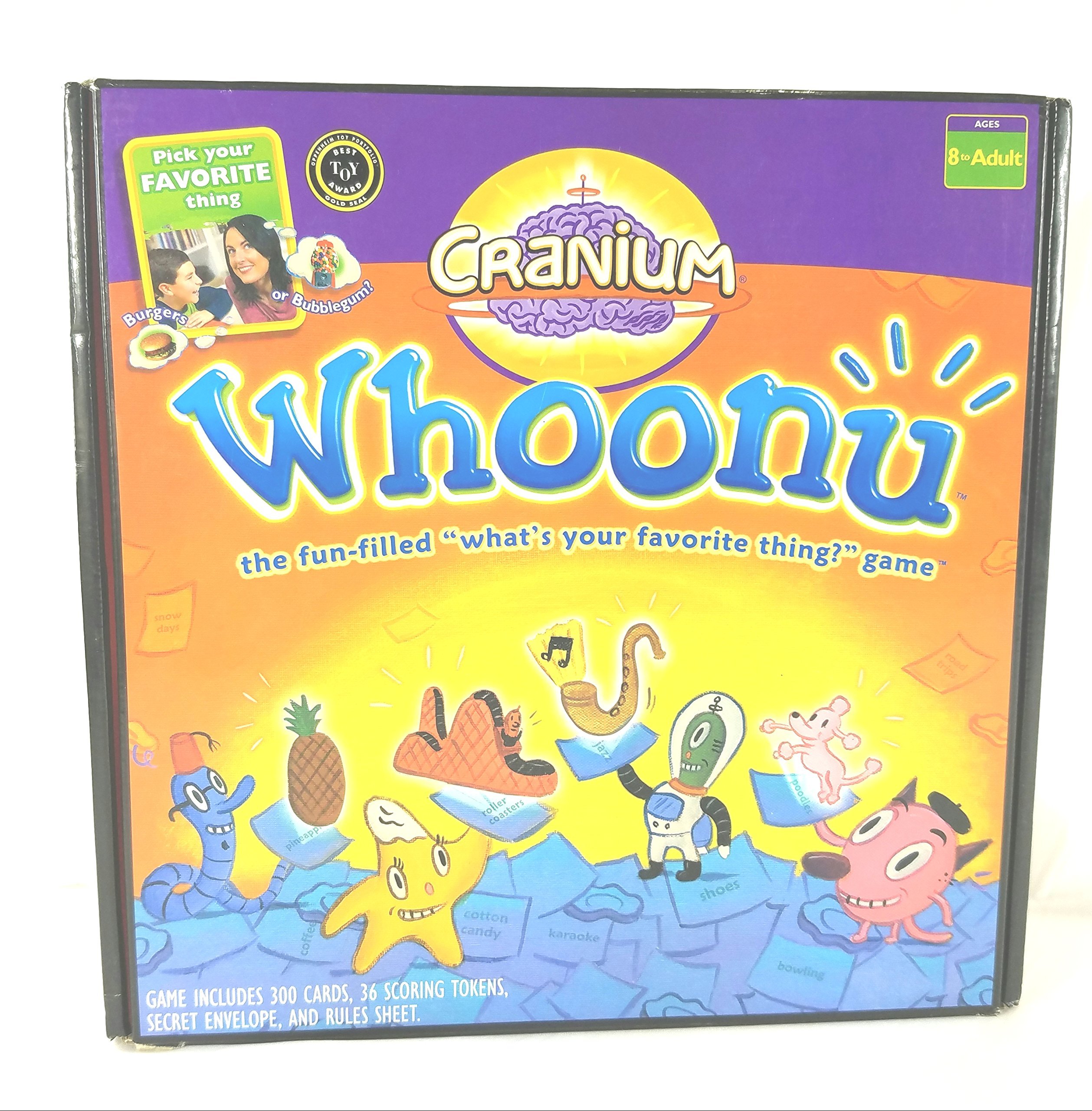
The ‘who knew game’ is a social activity where players try to guess surprising or obscure facts about each other.
Ever find yourself thinking you know someone well, then they drop a fact that makes you question everything? That’s the essence of the who knew game. It’s a fun way to learn surprising things about friends and family.
It reveals hidden talents, forgotten childhood anecdotes, and completely unexpected preferences. Prepare to be amazed by the unexpected revelations that will come from a simple round of the who knew game.

Who Knew Game: More Than Just Trivia
Okay, let’s talk about the “Who Knew” game! You might have played it at a party, on a road trip, or maybe even at school. It’s that super fun game where you try to guess things that other people might not know. But did you ever stop to think about why it’s so much fun? Or how many different ways you can play? This article dives deep into the world of “Who Knew,” showing you just how versatile and awesome this simple game really is. From simple facts to silly scenarios, get ready to explore the exciting world of “Who Knew”.
What Exactly Is the Who Knew Game?
At its heart, the “Who Knew” game is a guessing game about knowledge. One person thinks of something – a fact, a skill, a story, or even a silly opinion – and then says, “Who Knew?”. Other players then try to guess what that thing is. It’s really that simple! What makes it special is that the possibilities are basically endless. You can play it anywhere, anytime, and with any group of people. It’s not about having the smartest answers but about thinking creatively and getting to know people better.
The Basic Rules of Who Knew
While the beauty of “Who Knew” is its flexibility, there are some common ways to play. Here’s a basic rundown:
- The Thinker: One person is designated as the “thinker” for a round. This person comes up with a fact, secret, or unusual detail. They keep it to themselves.
- The Question: The thinker then asks, “Who Knew… [the hidden thing]?” For example, they might say “Who Knew… I can juggle?”, or “Who Knew… that the Eiffel Tower can grow taller in the summer?” or “Who Knew… my favorite animal is a sloth?”
- The Guessers: The other players then take turns making guesses about what the thinker is referring to.
- The Reveal: The thinker will reveal the correct answer after all guesses are completed or if everyone is stumped.
- Rotation: The role of the “thinker” then rotates to a new player, and the process starts over.
Why the Who Knew Game is Great for Everyone
You might think it’s just a game to pass the time, but it’s actually a great way to grow as a person in a variety of ways. Here’s how playing “Who Knew” helps:
It Encourages Thinking Outside the Box
When you are trying to think of what someone might say, you need to use your imagination. You have to put yourself in their shoes and figure out what kinds of things they might know or might have experienced. This sort of creative thinking is important for learning and problem-solving in real life!
It Improves Social Skills
Playing “Who Knew” involves asking questions, listening to answers, and figuring out what other people might know, which helps people learn to communicate better and become more understanding. By playing, people get to learn new things about each other that they didn’t know, which can help them feel closer and build stronger relationships. It’s a fun way to get to know your friends and family on a deeper level.
It’s Fun and Relaxing
Let’s be real, sometimes we just need a fun game to take our minds off of things. “Who Knew” is great for that. It’s light-hearted, doesn’t need any special equipment, and can be played anywhere. It’s the perfect go-to game for moments when you just want to laugh and have a good time.
It’s Educational
Sometimes the “Who Knew” game can be a sneaky way to learn new things. Someone might share an interesting fact about nature or history that you’ve never heard before. It’s learning without even trying, and that’s pretty cool! Plus, the facts could lead you to ask more questions and you might learn even more.
Different Ways to Play Who Knew
The beauty of “Who Knew” is that it is very versatile. There isn’t a single way to play the game. Here are some of different flavors of “Who Knew”:
The “I Can” Variation
This is a great version for getting physical and showing off skills! In this version, players state, “Who knew… I can [skill or action].” Then, they demonstrate that skill or action. Examples include: juggling, balancing a book on your head, doing a handstand, whistling a tune, drawing a picture with your eyes closed, creating sound with your hands, winking with one eye only. This version is all about showing off hidden talents.
The Fact-Based “Who Knew”
This version is all about sharing interesting information. Players can say, “Who Knew… [a weird or unusual fact]”. For example, “Who Knew… that honey never spoils?”, or “Who Knew… that the shortest war in history lasted only 38 minutes?”, or “Who Knew… that the fingerprints of a koala are almost indistinguishable from humans”. It is a great way to share your knowledge, as well as learn something new.
The “Secret Skill” Version
In this version, players reveal hidden abilities they might have. This can be fun because players try to figure out something they have never seen someone do before. The player can say, “Who Knew… I can [a unique skill].” For example: making different sounds with your mouth, writing with your feet, doing card tricks, speaking a different language or a different accent, identifying any song in less than 5 seconds, making realistic animal sounds with your mouth, or creating a unique craft.
The “Personal Story” Twist
This version adds a personal touch, allowing people to share something interesting or funny about their past. Someone might say, “Who Knew… that I once met a famous movie star?”, or “Who Knew… that I accidentally wore two different shoes to school?”, or “Who Knew… that I got lost in a zoo when I was six?”. This version is great for learning more about a person’s past.
The “Opinionated” “Who Knew”
In this version, players reveal a surprising opinion they have about something. It might be a weird or unusual opinion that people might not know about them. This might look like: “Who Knew… I think pizza is best with pineapple?”, or “Who Knew… I prefer the smell of rain over the smell of flowers?”, or “Who Knew… that I think it’s better to read a book than to watch a movie?”. It leads to some fun and surprising conversations.
The “Never Have I Ever” Hybrid
This is where “Who Knew” meets “Never Have I Ever”. The player says, “Who Knew… I’ve never [something unusual]”. Other players can then guess why they have never done the thing they said. For example, “Who Knew… I’ve never broken a bone?”, or “Who Knew… I have never been to a concert?”, or “Who Knew… I have never eaten a burger?”. This version can lead to sharing interesting stories behind these unique situations.
The “Silly Scenario” “Who Knew”
This version encourages players to be creative and a bit goofy. Someone might say, “Who Knew… if I were an animal I would be a…” This is where players might say funny things like “Who Knew… if I were a superhero, I would have the power of invisibility”. This adds a touch of imagination and fun to the game.
Tips for a Great Game of Who Knew
Here are some tips to help you make the game even better:
- Be Specific: When choosing a fact or a skill, try to be as specific as possible to make the game more interesting.
- Don’t be afraid to be silly: “Who Knew” is all about having fun. Don’t worry if your fact or skill is a bit unusual. In fact, the sillier the better!
- Be Respectful: Remember that everyone is different. Be respectful of the facts and skills that people share. No need to be negative or to put down other people’s statements.
- Mix it up: Try different variations of the game to keep it fresh and exciting.
- Include everyone: Make sure that everyone in the group has a chance to be the “thinker.” This keeps things fair and inclusive.
Making the Game Educational
You can adjust “Who Knew” to make it more educational and get the kids learning. Here are some ideas:
Focus on Specific Topics
Choose themes like science, history, or literature. Have the children share facts or events they have learned about in school. For example, “Who knew that there are more stars in the sky than grains of sand on Earth?”, or “Who Knew that the first airplane was called ‘Flyer’?” This not only helps to reinforce learning but also helps the children grow in knowledge.
Use “Who Knew” for Vocab
Use new vocabulary words in “Who Knew”. For example, ask kids to create a sentence that includes the new word. Let other children guess what new word they used based on the context in the sentence. This would help them practice using the vocabulary in a fun way.
Create a “Who Knew” Challenge
Set up a challenge where kids research unusual facts or learn a new skill to share with the group. This encourages curiosity and gives children an incentive to learn. Award points to the most fun or most unusual “Who Knew” statement. For example, one might research the planets, and another might research historical events.
Play Team “Who Knew”
Divide into teams and challenge each team to come up with unusual statements. This promotes collaboration and working together. Have the children research the facts and then share them with the group.
Adapting “Who Knew” for Different Ages and Groups
The beauty of “Who Knew” is how easy it is to adjust the game based on age. When playing with younger kids, keep the topics simple and concrete. For example, you could ask them to state “Who knew, my favorite color is blue?” Or if playing with older kids, you might want to ask the more open-ended “Who Knew that I have traveled to three different continents?”
When playing with mixed age groups you can try having all players write their ideas on a piece of paper. Then you can collect the ideas and go around the circle and read each one. This can help ensure that everyone feels included.
“Who Knew” in the Digital Age
Even in today’s tech world, “Who Knew” continues to be a relevant and fun game. Here’s how you can adapt it for the digital age:
Virtual “Who Knew”
You can easily play “Who Knew” over video calls with friends and family who live far away. This version can be fun for long-distance family get togethers. Have everyone take a turn and watch the fun begin.
Use a “Who Knew” Generator
If you need some ideas to start, you can use online “Who Knew” generators. These tools give you random facts and prompts that you can use to get your game going.
Social Media “Who Knew”
You can create “Who Knew” challenges on social media platforms using posts, stories, or reels. Post a “Who Knew” statement and ask your followers to guess. This is an easy and fun way to get people involved.
So, there you have it – the wonderful world of “Who Knew”! It’s more than just a simple guessing game; it’s a way to learn, laugh, and connect with others. With so many ways to play, you can keep it fresh and fun for years to come. Whether you’re with friends, family, or even a new group of people, “Who Knew” is a perfect choice for some fun and engagement. So, next time you’re looking for a game, remember “Who Knew” and get ready to be amazed!
Who Knew? Game
Final Thoughts
Exploring this topic reveals surprising facets. The data shows many areas for improvement. We can certainly make things better.
This process requires consistent effort. We must analyze results and adapt our plans. It is a journey, not a destination.
Ultimately, the potential is clear, and the impact is significant. Who knew game? We have learned so much.

