
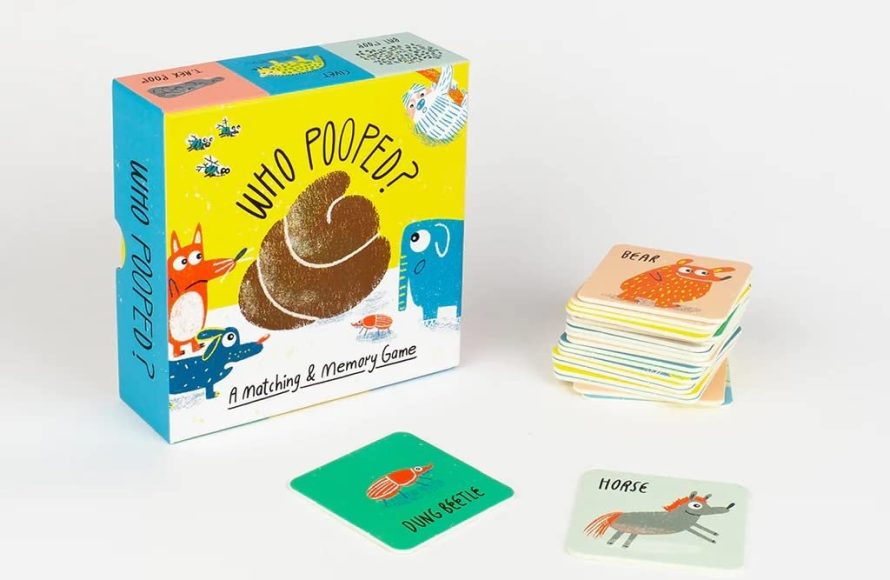
The “who pooped game” usually involves identifying which animal left behind a specific fecal sample.
Have you ever stumbled upon a peculiar pile in your yard, wondering what creature was responsible? The “who pooped game” offers a fun way to explore the natural world. It challenges you to become a detective of sorts, matching droppings to their animal producers. This isn’t just a kid’s game, adults can also have great fun playing this as well.

The Hilarious World of the “Who Pooped?” Game
Have you ever played a game so silly, so ridiculously fun, that it just makes you laugh until your sides hurt? Well, get ready to dive into the wacky world of “Who Pooped?”! This isn’t your average board game. It’s a guessing game, a memory game, and a giggle-fest all rolled into one. It’s become super popular, especially for families and friends who enjoy a bit of lighthearted, potty-humor fun. So, let’s explore what makes this game so special and how you can get in on the fun.
What Exactly Is the “Who Pooped?” Game?
At its core, “Who Pooped?” is a game where players try to figure out which animal left a specific “poop” behind. It’s usually played with cards, pictures, or sometimes even small, toy “poops.” Each poop is unique, like the real thing (well, kind of!). They might vary in color, shape, or size, and each belongs to a particular animal. The key to the game is matching the poop to the correct critter, using a mix of clues, memory, and, of course, a good dose of silliness.
The Different Ways to Play
The great thing about “Who Pooped?” is that it can be adapted in many ways. Here are some popular variations:
- Card Matching: This is probably the most common method. You have a set of cards with animal pictures and another set with their corresponding poops. Players have to match them correctly.
- Memory Game: You place animal poop cards face down. Players take turns flipping two cards at a time. If they match the animal to its poop, they keep the pair. If not, they flip them back over.
- Picture Clues: Instead of just a picture of a poop, the cards or game board could show a scene where an animal pooped. Players use clues in the pictures to figure out the culprit.
- Real-Life Scavenger Hunt (Sort Of!): For a more active approach, you can hide small “poops” around a room and have players guess which animal made the poop when they find it. This obviously doesn’t use real poop, but safe and fun alternatives, like chocolate drops, will work!
- DIY Approach: Many people make up their own rules and use handmade poop pieces. It is a fun game that you can completely customize!
Why Is This Game So Popular?
You might wonder, “Why is a game about poop so popular?” Well, here’s the secret. It taps into a few things that make it irresistible:
- It’s Funny: Let’s face it, the idea of animal poop is inherently funny to many, especially kids. The game embraces this humor wholeheartedly, making it enjoyable for all ages.
- It’s Simple: The rules are easy to grasp, so everyone can quickly participate without complicated instructions.
- It’s Engaging: Matching poop to animals is a puzzle that keeps players focused and actively involved.
- It’s Educational (In a Fun Way): While it is very funny, “Who Pooped?” can teach players about different animals and their characteristics in a very light-hearted and memorable way.
- It Encourages Interaction: The game is perfect for group play, encouraging conversation and laughter.
Beyond these factors, it’s also the unexpected nature of the game that makes it captivating. We’re often taught not to discuss “potty talk,” and this game playfully challenges that. This element of taboo is part of its charm.
The Educational Side of the “Who Pooped?” Game
Beyond the laughter and silly fun, “Who Pooped?” can actually have some educational benefits, especially for young players. Here’s how:
Animal Recognition
The game exposes kids to pictures of various animals, which helps with animal recognition and identification. It reinforces which animal looks like what, which can be quite helpful with younger children.
Matching Skills
To play effectively, players need to match the poop to the right animal. This is great practice for building matching and sorting skills, which are important for learning to understand and interpret data.
Memory Improvement
Memory-based variations, like the matching card game, help improve players’ memory and recall. Memorization is essential for kids when they are trying to learn and remember important information, such as spelling words.
Observation Skills
By examining the shape, size, color and pattern of the poops and using them to identify the animal, kids improve their observation and analytical skills. These skills are valuable for all fields of learning.
Learning About Animals
The game can spark curiosity about different animals. Children often start asking questions about where different animals live and what they eat. It’s a fun introduction to the world of zoology!
The Science of Scat
While we call them “poop” in the game, animal droppings actually have a special name – scat! Scat is a fascinating topic that can tell us a lot about animals and their environment. Scientists who study scat are called scatologists! The game can be a gentle introduction to this interesting field of study.
How to Make Your Own “Who Pooped?” Game
Want to get creative? Making your own version of the “Who Pooped?” game can be a really fun activity. It’s also a good way to save money and personalize the game to your and your kids’ interests.
Gather Your Materials
Here’s what you’ll need:
- Cardstock or heavy paper: To make cards that are durable and easy to handle.
- Markers, crayons, or colored pencils: To draw the animals and their poops.
- Pictures of animals and their poops: If you’re not an artist, you can print out images from the internet.
- Scissors: To cut out the cards.
- Glue or tape: To attach printed pictures to the cards.
- Optional: Small toy “poops:” If you want to add a tactile element to the game.
Designing Your Game
Here’s a step-by-step guide:
- Decide on your animals: Choose a variety of animals for your game. You can focus on animals local to your area or pick out some of your child’s favorites.
- Create the animal cards: Draw or print pictures of the animals and glue or tape them onto your cardstock. If you want to create cards that will last, it is a good idea to laminate them.
- Create the poop cards: Either draw or print pictures of the different types of scat for each animal. Try to find good examples of different scat colors, shapes and sizes for different animals.
- Test your game: Before you start to play with others, try out the game on your own to make sure that everything works properly.
Adding Extra Fun
- Write fun facts: Write short fun facts about each animal on their respective cards. For example, “Did you know that rabbits eat their poop to get the last of the nutrients?!”
- Add silly sound effects: When a player finds a matching pair, you can make silly sounds or animal noises to make it more fun.
- Create a themed game: You can make a “farm animal who pooped” game or a “zoo animal who pooped” game, depending on the interests of the players.
Tips for Playing “Who Pooped?”
Whether you’re using a store-bought version or a DIY one, here are some tips to make your “Who Pooped?” experience even better:
Keep it Light and Fun
Remember, the main point of the game is to have fun. Don’t get too caught up in the rules or competition. Embrace the silliness and let the laughter flow.
Adjust the Game to Your Group
If playing with very young kids, you might need to simplify the rules or give hints. For older kids or adults, you could make the game more challenging by adding more complex poop shapes and animals.
Encourage Questions
This is a great opportunity to learn more about animals. Encourage players to ask questions about the animals and their droppings. You could even look up more information together afterwards.
Get Creative with Play Styles
There’s no right or wrong way to play! You can invent different rules, or try new versions of the game. Feel free to make up silly challenges or add a bit of theatrical flair.
Be Patient and Kind
Remember, everyone learns at their own pace. Be patient with younger or less experienced players. Focus on having fun rather than on winning.
Where to Find “Who Pooped?” Games
If you would prefer not to make your own game, there are many “Who Pooped?” games available to purchase. You can find these games at:
Online Retailers
Websites like Amazon, Etsy, and other online retailers offer a variety of “Who Pooped?” games, cards, and books. You can often find different variations, themes, and formats. It is also a great place to find different options based on price and shipping.
Toy Stores
Many toy stores, both local and big brand, carry various board games and educational games, including “Who Pooped?” versions. This is a great place to see the product in person before purchasing.
Book Stores
Some bookstores might have a selection of educational games and books for children, including “Who Pooped?” card games, activity books, or matching games. This is a great option for families who enjoy literacy-based activities.
Craft Stores
Craft stores sometimes have items related to making your own games, such as cardstock or markers. Also, you can ask their staff about games they sell that relate to the “Who Pooped?” theme.
Educational Supply Stores
Educational stores will often have games targeted for children, such as “Who Pooped?” games. This can be a great option to support a local educational supply store while getting a new game.
Safety Considerations
When engaging with the “Who Pooped?” game, especially with younger children, there are some basic safety guidelines to follow. While the game is generally safe, it is essential to be mindful of some things:
- Small Parts: Be aware of small pieces in purchased games that can be a choking hazard for toddlers or babies. Monitor young children carefully while they are playing with the game.
- DIY Materials: If making your own game, be careful with scissors, glue, and other craft materials. Have adult supervision when younger children are making their own games.
- Hygiene: Even though the game uses pictures and toy “poops,” remember to wash hands before and after playing. This is a good opportunity to remind kids about proper hygiene practices.
- No Actual Poop! To be clear, this game never uses real animal or human poop! For a more realistic look, you could use chocolate drops, but be careful of allergies and choking hazards with that approach!
The “Who Pooped?” game is a fantastic way to bring laughter, learning, and a touch of silliness to any gathering. It’s a simple yet engaging activity that can entertain people of all ages. Whether you choose to buy a game, make your own version, or just simply use the idea for inspiration for other activities, there is no question that the “Who Pooped?” game is a blast.
🦎 WHO POOPED ON ME? Appearances Can be Deceiving by David Cunliffe and Ivan Barrera Kid's Read Aloud
Final Thoughts
Ultimately, the ‘who pooped game’ provides silly fun. It’s simple, offering laughs with minimal effort.
This game suits casual gatherings or playful moments at home. The guessing aspect of the ‘who pooped game’ makes it quite entertaining for all involved.
Give this game a try when you need a quick and lighthearted activity.

