
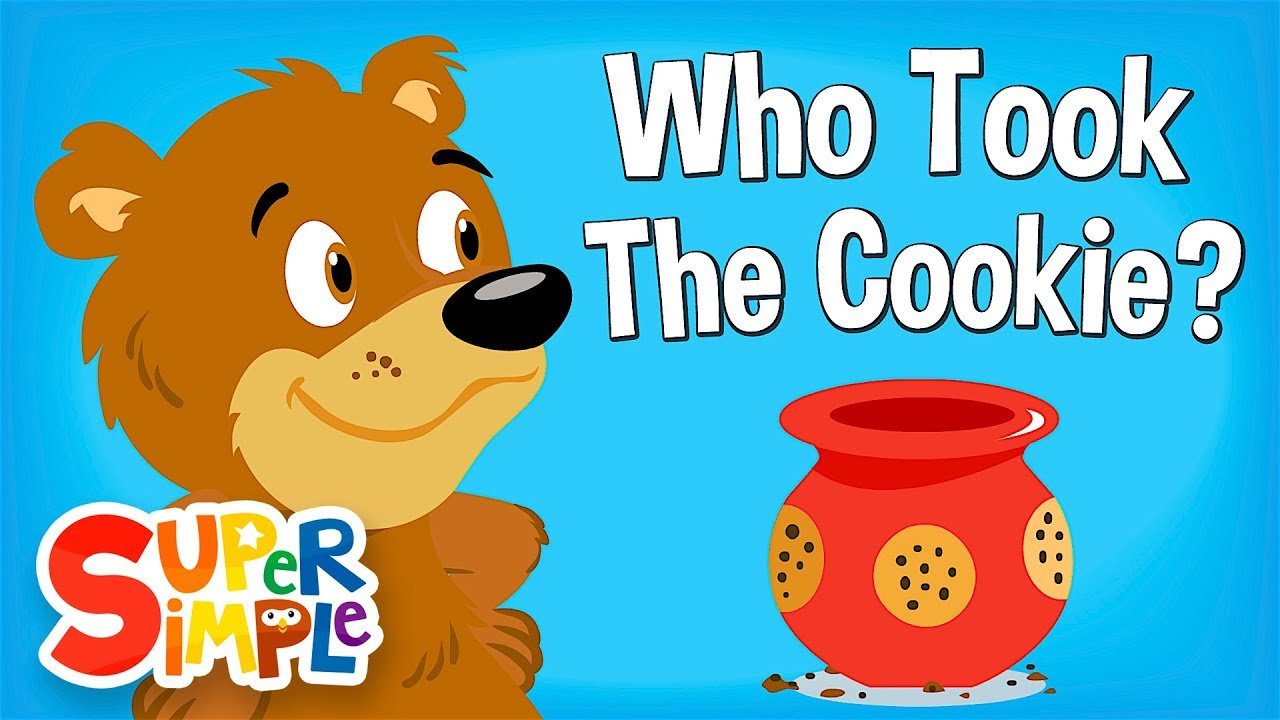
The “who took the cookie from the cookie jar game” involves players accusing each other in a playful, rhythmic chant until the “culprit” is revealed.
Have you ever gathered around with friends or family, chanting a silly rhyme, accusing each other of a sweet crime? It’s likely you’ve played the “who took the cookie from the cookie jar game”, a simple yet captivating activity that brings laughter to any group. This game isn’t just about a missing cookie, it’s about interaction and silly fun. It’s a timeless game loved by all.

Who Took the Cookie from the Cookie Jar Game: A Deep Dive
Okay, let’s talk about something super fun and maybe a little bit sneaky: the “Who Took the Cookie from the Cookie Jar” game! It’s a classic that kids (and even some grown-ups!) love to play. It’s more than just a silly song; it helps with memory, listening skills, and even a little bit of pretend detective work. If you’ve ever found yourself humming the catchy tune, or wondering how to get a game going with your own crew, you’re in the right place. We’re about to explore everything about this beloved game, from its simple beginnings to fun variations and ways to make it even more exciting. So grab your imaginary cookie, and let’s get started!
The Basic Rules: How the Game Works
At its heart, “Who Took the Cookie from the Cookie Jar” is a simple call-and-response game. It typically involves a group of people sitting in a circle, though you can play it in any arrangement. The game has a designated leader who will start by asking a question. Here’s a breakdown of the usual process:
Starting the Game
- One person is chosen to be the leader. This can be done by volunteers, a count off or by drawing names.
- Everyone sits in a circle, ready to participate.
The Question and Response
- The leader starts by asking the question: “Who took the cookie from the cookie jar?”
- The group responds in unison: “[Name of leader] took the cookie from the cookie jar!”
- The leader then asks: “Who, me?”
- The group responds again: “Yes, you!”
- The leader says: “Couldn’t be!”
- The group replies: “Then who?”
Accusation Time!
- This is where the leader points at a new person in the circle. That person is now the new accused cookie snatcher and it continues the game.
The game continues like this, with each new leader pointing to someone else, with the whole group participating in each line of the rhyme until everyone has been asked to accuse. The aim isn’t to actually figure out who took a cookie, it’s just a fun game! The silliness is in the repetition and the back and forth.
Why is “Who Took the Cookie from the Cookie Jar” So Popular?
This game has been a staple in preschools, kindergarten classrooms, and family gatherings for a long time. Here’s why it’s such a hit:
Simple and Engaging
The rules are so easy to understand, and even very young children can participate. The repetitive nature of the song is catchy and helps kids remember what to say. The call and response format keeps everyone involved and actively listening. This simplicity helps children learn to follow directions and understand patterns. Repetition is a great learning tool.
Promotes Language and Memory Skills
The game helps kids develop language skills through repeated phrases and learning to pay attention to what words are said. They also learn to anticipate what comes next, helping with sequencing skills, and memorizing the lines of the song. It’s a fun way to increase their vocabulary and confidence in speaking. Moreover, the quick back and forth strengthens auditory memory as children remember the questions and responses.
Builds Social Skills
Playing in a group teaches children about turn-taking and being patient. They have to wait their turn and learn to share the spotlight. The game creates a sense of community, with everyone participating in the same activity. Moreover, it encourages interaction and cooperation. Kids learn to engage with each other positively through play. It is a great way to involve all the kids, and get them to work together, rather than competing with each other.
Encourages Fun and Playfulness
The silly accusations, the back and forth nature of the game, and the rhythmic elements of the song all contribute to a playful environment. Children are able to relax and have fun while participating. This is good for building positive memories. The game encourages imagination and creativity, especially when you start playing with different versions.
Variations to Keep the Game Fresh
The basic game is great, but sometimes you might want to shake things up a bit. Here are some ways you can add twists and turns to the “Who Took the Cookie from the Cookie Jar” game:
Changing the “Cookie”
- Instead of a “cookie,” you can use any object: “Who took the ball from the toy box?”, “Who took the crayon from the art bin?”. This lets you tailor the game to whatever is nearby or what the kids are currently interested in.
- Use themed objects based on holidays or events: pumpkins for Halloween, hearts for Valentine’s Day, etc.
Adding Actions
- Include actions along with the words: pretend to sneak a cookie when you’re accused or point exaggeratedly to the next person.
- For young children, use simple movements: clapping when each line is said or stomping feet when it is their turn to accuse.
Changing the Accusation
- Instead of simply pointing, you can have the leader say: “I accuse [new person] because…” and then give a silly reason. Example: “I accuse Emily because she likes to sing!”
- You can even make it a role-playing game, where the person is not just accused but has to defend themselves in a funny manner.
Using Different Voices
- Have people do the call and response in different silly voices: a robot voice, a monster voice, a squeaky voice.
- This not only makes it more fun, but also encourages vocal expression.
Introducing a “Guilty” Character
- Pick one person at the start as a “secret cookie thief.” This person will remain the ‘guilty’ person throughout the game.
- Every time they are accused, they can make a silly guilty face or hide their face for added fun.
Speed it up!
- Once everyone is familiar with the words, try playing it faster and faster. This will get everyone laughing as they try not to make mistakes.
Adapting the Game for Different Age Groups
The great thing about this game is that you can adapt it based on the ages of the children who are participating. It isn’t just a game for preschoolers. Here is how to adapt it for different age groups:
Toddlers and Preschoolers (Ages 2-4)
- Keep it very simple: Use basic vocabulary and clear, slow pronunciation.
- Focus on actions: Emphasize the movements that go along with the words, such as clapping, pointing, or waving.
- Use visual aids: Consider using pictures of a cookie or the characters in the game to help toddlers understand the concept.
- Make it short: Keep the game short and focused to maintain their attention span.
Early Elementary (Ages 5-7)
- Increase complexity: Include variations such as changing the object or adding a silly action.
- Encourage creativity: Let kids make up their own silly reasons for accusing someone.
- Focus on teamwork: Have them work together to come up with funny scenarios.
- Introduce speed: Once they have mastered the basic game, start increasing the pace a bit.
Older Children (Ages 8+)
- More creativity: Focus on variations that involve character development and storytelling.
- Add complexity: Introduce rules such as the ‘guilty’ character, or variations that involve more acting
- Encourage storytelling: When using an object, tell a fun story on how that object was stolen.
- Emphasize the social aspect: Encourage older children to work together to keep the game going smoothly and help younger children who might need some assistance.
Educational Benefits Beyond the Fun
While this game is super fun, it also provides some pretty cool educational benefits. It’s not just silliness; it’s learning disguised as play. Here are some additional benefits worth noting:
Phonological Awareness
The rhyming in the song helps young children become aware of the sounds in words. This is an important skill in early literacy development. They become more attuned to the sounds and rhythm of language through play.
Auditory Processing
The game requires careful listening and processing. The children have to listen and understand the call, in order to respond in the correct way. This helps improve attention and listening skills.
Following Directions
Kids must pay attention to the rules of the game, including the order of the rhyme and their role within it. Following the direction of the game is crucial to make it work.
Turn Taking
They learn the concept of taking turns and being patient, as they wait for their turn to either lead or be accused. This skill is important in many social settings and helps them build good relationship skills.
Social-Emotional Development
Playing the game in a group creates a sense of belonging and community. It provides a fun and light-hearted way to connect with other children or family members, and is also a safe space to express emotion.
Cognitive Skills
The need to remember what to say, and to anticipate the next step, helps develop cognitive skills such as working memory, recall, and pattern recognition. These are important skills that they will need to learn and they can do it while playing.
Making it Work in Different Settings
This game is very versatile and can be played in a variety of settings. Whether you are home, in a classroom, at a party or at a camp ground, it can adapt to almost any environment. Here are some tips for adjusting it to each scenario:
At Home
- Keep it casual: Play it anytime, anywhere, without any special setup needed.
- Involve the whole family: Play it with siblings, parents, grandparents or any family member.
- Use it as a transition activity: Use it to get kids engaged and energized when changing between activities.
In the Classroom
- Use it as a warm-up activity: It is a fun and easy way to get children engaged at the start of class or after recess.
- Incorporate it into lessons: Adapt the song to be related to a lesson or study unit, and make it more educational.
- Rotate leaders: Ensure all children have the opportunity to lead, promoting a sense of inclusion.
At a Party
- Make it a group activity: Get all the children involved in the circle, even those that don’t know each other well.
- Use it as an ice breaker: Introduce the game as a way for kids to interact and get to know each other.
- Add funny prizes: You can add fun and age appropriate prizes to the game, adding a bit of competition.
Outdoors
- Adjust the game to your space: Instead of sitting in a circle, try standing in a line or playing it while walking in a group.
- Use nature as props: Include objects you find in nature, such as leaves or rocks, instead of a cookie.
- Have fun!: Adapt it to fit the outdoor theme, for example if you are at the beach or the forest.
Tips for Maximum Fun and Engagement
To get the most out of playing “Who Took the Cookie from the Cookie Jar,” try these handy tips:
Be Enthusiastic
Your energy is contagious! If you as the adult or leader participate in the game with enthusiasm, children will be more engaged and willing to join in the fun.
Be Patient
Some children will need more time and guidance to learn the lines or actions. Be patient, and offer gentle reminders instead of demanding perfection.
Be Flexible
Don’t worry about sticking to the rules perfectly. Be open to adding variations, and let the children decide how they want to play it. The point is to have fun and be playful.
Create a Safe Environment
Make sure that everyone feels safe and comfortable to participate, with no judgment. Remind children that it is all just for fun and it is okay to make a mistake.
Use Props and Visual Aids
Especially when playing with younger kids, use props, such as a picture of a cookie or funny hats or glasses for added silliness. The visual aids can help them engage more easily.
Keep it Short and Sweet
Don’t overdo it. Keep it short and sweet to avoid boredom or frustration. It is better to play for a short amount of time, and want more, rather than playing for too long and losing their interest.
Positive Feedback
Offer positive feedback and encouragement throughout the game. Celebrate their effort and participation rather than focusing on any mistakes. For example, say things such as ‘Great job listening’ or ‘I love how you are using your imagination!’.
End with a Bang
Finish the game with a fun gesture such as a clap, a funny sound, or a round of applause. It’s a great way to leave them with a positive feeling.
In conclusion, the “Who Took the Cookie from the Cookie Jar” game is far more than a silly children’s activity. It’s a wonderful way to promote language development, social skills, and cognitive thinking, all while having a great time. Its simplicity, adaptability, and the joy it brings to those involved are what make it a classic in childhood, and it will continue to bring laughter to generations to come. The beauty of it is that it can be played anytime, with anyone, anywhere. So next time you need a quick activity or a way to engage children, remember the simple game of the cookie jar.
Who Took The Cookie? | Nursery Rhyme | Super Simple Songs
Final Thoughts
The game “who took the cookie from the cookie jar game” offers a simple, fun way to engage in playful accusation and memory challenges. Children must remember the sequence of players called out. This repetition and interaction strengthens group dynamics.
Playing ‘who took the cookie from the cookie jar game’ also enhances quick thinking as children guess who is next. It encourages children to pay close attention and stay involved. The game is ideal for various settings because of its straightforward rules.
It’s a classic activity. The joyful nature of the game makes it suitable for developing social skills and having a laugh.

