
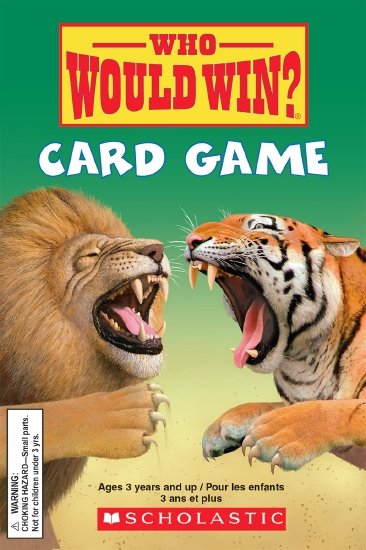
The victor in a ‘who would win game’ is entirely dependent on the specific characters and the rules of the scenario defined within that game.
Ever found yourself debating which superhero reigns supreme or which animal would dominate in a fight? These are the very questions that fuel the endless fun of a ‘who would win game’. People create hypothetical battles between diverse characters, ranging from fictional icons to real-world figures.
This concept, a popular pastime for many, lets our imaginations run wild. We delve into a world of “what-ifs,” exploring different powers and tactics. It is not just about the strength, but strategy also has a crucial role.

The Ultimate Guide to the Who Would Win Game
Ever found yourself arguing with friends about whether a T-Rex could beat a shark? Or if Superman would triumph over the Hulk? That’s the heart of the “who would win game”—a fun, imaginative activity that sparks debates and gets our brains thinking. It’s not just about brute strength; it’s about considering all sorts of factors, like speed, special abilities, environments, and even luck! Let’s dive deep into what makes this game so engaging and how you can become a master of “who would win” scenarios.
Understanding the Core Concepts of “Who Would Win”
At its base, the “who would win game” is all about comparing different characters, animals, objects, or even concepts, and imagining them in a hypothetical battle. There are no real rules, but there are ways to make the game more interesting and fair. Here’s what you should think about:
- Character Analysis: Before you throw any two characters into a fight, you need to know their strengths and weaknesses. What makes them special? Do they have superpowers, special skills, or specific tools? For example, if we’re talking about Batman vs. Spider-Man, Batman relies on his intelligence, gadgets, and martial arts, while Spider-Man depends on his spider-sense, webs, and super strength.
- Environment Matters: Where does the battle take place? A fight on land will favor a land-based animal, but if the fight is in the ocean, a sea creature would have a big advantage. If Superman is fighting someone on a planet with no sun, his powers won’t be as effective. Think about how the surroundings affect each side.
- The Power of Imagination: This game is all about letting your creativity flow. There aren’t always clear answers, and that’s part of the fun. Think outside the box and consider unlikely scenarios. What if a tiny ant had a growth ray? How would that change a fight with a lion?
Key Factors in Determining a Winner
When figuring out who would win, you need to look closely at a few crucial areas. It’s more than just “who’s bigger”. Here are some critical factors:
Strength
This is often the first thing we think of, but it’s not everything. Does someone have raw physical power, or do they have enhanced strength? A grizzly bear is very strong, but a superhero with super strength can be much more powerful. How does their strength work? Can they lift cars, or only carry heavy objects? These things all matter.
Speed and Agility
Can someone move quickly? Are they good at dodging? Speed and agility can be as important as strength. A cheetah can’t lift much weight, but its speed lets it catch prey. A martial artist might not be the strongest, but their quickness can make them tough to hit. This is very important, especially if one side is much slower.
Intelligence and Tactics
Sometimes, the smarter character wins, not just the strongest. If someone is very intelligent, they can create plans to beat even more powerful opponents. A detective can outsmart a criminal, and a strategist can win battles. Do they have knowledge that can give them a benefit?
Special Abilities
This is where things get really fun. Does someone have superpowers, magic, or special skills? A character might have the power to fly, become invisible, shoot lasers, or control the weather. These abilities can completely change the course of a fight. Think about how each ability interacts with others.
Durability
How much damage can someone take? Can they withstand attacks? Some characters are more like tanks than others. They can take a lot of hits and keep going. This is the ability to last in a fight. A character with high durability might outlast a character with more powerful attacks.
Weapons and Tools
Does a character have weapons? Tools can make a big difference in a fight. A knight with a sword and shield is different from a knight with no weapons at all. Think about the quality and power of the tools available to each side. Are they high-tech, magical, or something else?
Environmental Advantages
The location of the fight is a big deal. A fire-based character is going to do better in a hot area, and a water-based character will have an advantage in a fight underwater. Think about how each person can use the environment to their advantage.
Mental Fortitude
Does the character have a strong mental game? Will they stay cool under pressure, or will they break down when things get tough? A character who is mentally resilient has a better chance of winning.
Luck and Random Chance
Sometimes, things just happen. A character might get lucky or unlucky, and it can change the result of a fight. This is the part that makes the game unpredictable. Even in a carefully planned scenario, unexpected things can still happen.
Examples of Classic “Who Would Win” Scenarios
Let’s look at some popular examples to see how these factors play out:
Superman vs. The Hulk
This is a classic matchup. Superman has super strength, flight, heat vision, and freeze breath. The Hulk has super strength and the angrier he gets, the stronger he becomes. In a straight-up fight, Superman might have a speed advantage, but the Hulk could take a lot of hits. The environment would be important here. If the fight was on Earth, Superman might win, but if it was on a planet with red sunlight, the Hulk might dominate.
Batman vs. Iron Man
Both of these guys are brilliant with gadgets, but they have very different fighting styles. Batman is a skilled martial artist and strategist, who makes use of stealth and detective skills. Iron Man uses his armor and technology and is better equipped for a long-range fight. This match-up comes down to strategy and preparedness. If Batman has time to prepare, he could win, but Iron Man’s powerful armor is a tough opponent.
Lion vs. Tiger
This is a popular animal matchup. Both are powerful predators. Lions often live in groups, which gives them teamwork capabilities. Tigers are larger and solitary hunters. They are better at attacking from ambushes. In a one-on-one fight, a tiger’s size might give it an edge, but a lion’s bite force is stronger. It’s a tough call!
T-Rex vs. Triceratops
Another dinosaur matchup that gets debated a lot. The T-Rex is a powerful predator with huge teeth and powerful jaws, while the Triceratops is a herbivore, but it has sharp horns and a bony frill that offers it some protection. If the T-Rex got the Triceratops from the side, it could win, but a frontal charge from the Triceratops could end up in the T-Rex getting a nasty puncture. The environment could also play a role here. If the fight is in a wide open space, the T-Rex can use its speed, if the fight is in a forest, the Triceratops can use its horns more effectively.
A Great White Shark vs. a Polar Bear
Now this is interesting as they are both in different habitats and environments. A great white shark is the king of the ocean, it is a master predator, but if it comes to land it can do nothing. A polar bear is the king of the arctic, but in water, although they are great swimmers, they do not have an edge over the shark. This is a match up that will most likely come down to the specific environment. The advantage will go to the side that is in their preferred habitat and environment.
The Fun of Debating
The best part about “who would win” is that there is rarely a clear answer. It’s the debate that makes the game so fun. Everyone has different ideas and there are all kinds of factors to think about. Here’s how to have a fun and engaging debate:
- Respect Everyone’s Opinions: This is a game of imagination, and there’s no right or wrong answer. Different people will think about different aspects. Don’t treat someone else’s answer as stupid or dumb just because it is different from yours.
- Present Your Arguments Clearly: Don’t just say “this person would win because they’re stronger!” Explain your reasoning. Give examples of why your character would have an edge.
- Consider Counter Arguments: When someone has a different opinion, listen to why they think that way. See if they have a point that you didn’t consider. It’s important to think about different perspectives.
- Use Logic and Facts: While this game involves imagination, it’s good to ground your arguments in facts about the characters or animals you’re talking about. If one of your characters can fly, make sure you highlight that point.
- Have Fun: The goal is to get people thinking. If your goal is to make them feel bad about their opinion, you are going to ruin the fun and engagement. This is an entertaining exercise for all to partake in.
How to Improve Your “Who Would Win” Game
Want to become a pro at this? Here are a few tips:
- Research Your Characters: The more you know about the characters, the better your arguments will be. Look up their strengths, weaknesses, powers, and skills. Become a kind of expert in your favourite characters!
- Watch or Read: Watching movies, TV shows, reading comic books, or learning about animals can give you more ideas about abilities and how characters fight or behave.
- Think Creatively: Don’t get stuck in a rut. Consider unconventional solutions and different possibilities. What if a character had a new power they didn’t have before?
- Practice: The more you play, the better you’ll get at understanding different scenarios. Try doing this with different sets of characters or animals to see the different factors in action.
Beyond Simple Battles: Expanding the Game
You can make the “who would win game” even more interesting by changing things up. Here are some ways to spice things up:
Team Battles
Instead of one-on-one battles, why not have a team battle? This lets you consider teamwork and how different characters can work together. Imagine a team of Marvel heroes against a team of DC villains. Which group would prevail? How would their powers combine or conflict with each other?
Multiple Opponents
One hero vs. multiple opponents? Now things are going to get tough! How would a lone superhero fare against an army of robots, or a pack of wolves? This highlights the importance of strategy, resources, and endurance. A lone strong character might get worn out from facing multiple opponents.
Different Environments
Change the setting. A fight in a jungle will be different than a fight in space. The environment can level the playing field or give a great advantage to one side. Think of how environmental factors, such as altitude, temperature, and weather, could play a part in the fight.
Changing the Rules
What happens if you tweak one of the character’s abilities? What if they are not at their full power? What if they have a disadvantage, or an advantage, that they normally do not have? What if you add a new rule to the battle, such as no weapons, or a time limit? Changing the rules can create new scenarios and help to keep the game fresh.
The “What If” Approach
Explore “what if” scenarios. “What if Superman was affected by kryptonite at the start of the fight?” “What if a human had a laser gun?” These kinds of scenarios will give you new angles to approach the fights. It can lead to some great thinking.
Making the Game Educational
The “who would win game” isn’t just fun; it can also be educational. It encourages you to think critically and evaluate information. Here are ways that it helps with learning:
- Critical Thinking: This game encourages you to think about the strengths, weaknesses, and potential of different characters and animals. You have to take all these different things into consideration to reach a possible outcome.
- Problem Solving: You have to find out how one set of strengths and abilities would match up with another. You’ll have to think about which tactics, abilities, and weapons could lead to one side winning.
- Research Skills: You have to do research, and think about these strengths and weaknesses. This can teach you how to look for information and verify if it is correct. You might learn about the animal kingdom or scientific concepts while researching the characteristics and abilities of the characters or animals involved.
- Communication: You have to present your opinions logically and clearly. You have to give evidence for your position.
- Imagination: The “who would win game” is all about imagination and creative thinking. It gets you to think outside the box and consider new possibilities.
The “Who Would Win” Game in Pop Culture
The popularity of the “who would win game” is seen everywhere, from playground debates to online forums and YouTube videos. People love to imagine and discuss these battles. Comic books, movies, and video games all use this kind of storytelling. This game is a fun pastime because of the various combinations it can produce. With so many characters, animals, and concepts, the possibilities are truly endless.
The “who would win” concept is a cornerstone of storytelling, as it allows for exciting and engaging scenarios. It’s the basis of many superhero crossovers, monster battles, and even political debates (on a very imaginative level of course). It appeals to our natural curiosity to know which characters are the strongest, fastest, smartest, or most skilled. This is because it taps into our fascination with power and competition, and with imagining possibilities. This is why it is so popular.
The “who would win game” is a perfect mix of fun, creativity, and critical thinking. It’s a great way to spark conversations, test your knowledge, and let your imagination run wild. Whether you’re debating Superman vs. The Hulk or a lion vs. a tiger, the possibilities are endless, and the fun is guaranteed. So, go ahead, pick your favorite character, think hard about their strengths, and dive into the never-ending, always-entertaining world of “who would win.”
Who Would Win? Workout! (Animals Edition) – Family Fun Fitness Activity – Brain Break
Final Thoughts
Considering all factors, a definitive ‘who would win game’ scenario depends heavily on specific player strategies and luck. Skill plays a big role, obviously. It can be a close battle with multiple winning possibilities.
Therefore, victory is not guaranteed for any single contender. The game’s outcome truly hangs in the balance. Predicting the champion remains difficult, even with a deep analysis.

