
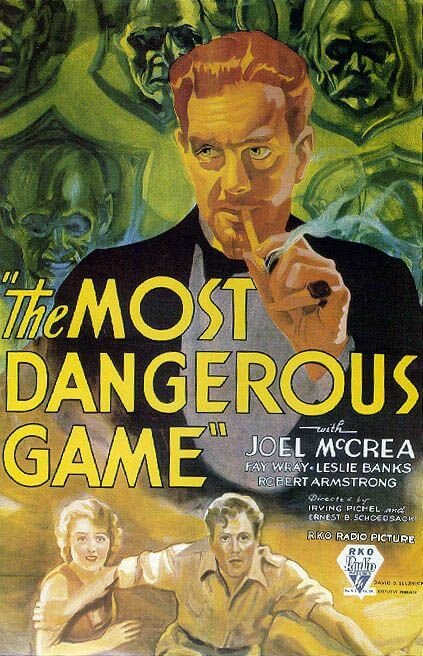
The author who wrote the most dangerous game is Richard Connell.
Have you ever wondered about the origins of classic stories? One tale that continues to fascinate and terrify readers is “The Most Dangerous Game.” But, who wrote the most dangerous game, a story filled with suspense and a chilling hunt? Let’s delve into the background of this popular short story and explore the mind behind its creation.
Richard Connell, a talented writer, crafted this iconic piece. His skills in writing and storytelling are evident within the narratives he created. Connell brought a timeless story, which many still enjoy today.

Who Wrote The Most Dangerous Game?
The gripping short story, “The Most Dangerous Game,” which throws a hunter into the terrifying role of the hunted, comes from the pen of Richard Connell. He was an American author and journalist, born in 1893. But how did this seemingly simple tale become such an enduring classic? Let’s dive deeper into the life of Connell and the elements that made this story so popular and impactful.
Richard Connell: The Man Behind the Hunt
Richard Connell wasn’t just a writer of thrilling stories. He had a varied and fascinating background that likely influenced his work. He was born in Poughkeepsie, New York, to a politically active family. His father actually owned a local newspaper. This early exposure to the world of journalism undoubtedly shaped Connell’s writing style – a crisp, efficient narrative. It’s this style that makes “The Most Dangerous Game” so easy to follow, even as the suspense builds to a fever pitch.
Early Life and Influences
Connell showed an interest in writing very early in his life. In fact, when he was only 10 years old, he began working as a reporter for his father’s newspaper, the Poughkeepsie News-Press. Imagine that – a 10-year-old already working as a journalist! This early experience taught him the value of observation, conciseness, and telling a story clearly and quickly, which are all characteristics of his later writings, including “The Most Dangerous Game”. He also attended Georgetown University and Harvard, further honing his writing skills and adding a depth to his understanding of the world and human nature. These experiences definitely contributed to the sophistication and nuance of his stories, even the seemingly straightforward ones.
From Journalism to Fiction
After his education, Connell moved to New York City, where he tried his hand at freelance writing. His talent soon showed, and he began publishing stories in popular magazines such as Collier’s, The Saturday Evening Post, and Cosmopolitan. This is where he began developing his unique voice and his particular interest in crafting tales that kept his readers on the edge of their seats. Connell was not only great at telling stories with a fast pace but also at creating intriguing characters that had complex inner thoughts and feelings. His ability to build tension and suspense through his writing led him to pen stories that readers found utterly compelling.
The Genesis of “The Most Dangerous Game”
“The Most Dangerous Game” first appeared in Collier’s magazine on January 19, 1924. It became one of his most celebrated works. The story is centered around Sanger Rainsford, a big-game hunter, who falls from his yacht and finds himself on a mysterious island, called Ship-Trap Island. He soon discovers that the island’s owner, General Zaroff, has grown tired of hunting animals and seeks a new, more challenging quarry – humans. This concept of man hunting man is what makes the story so disturbing and compelling. Connell’s inspiration may have come from societal concerns of his time – the anxieties of war, the nature of man’s brutality, and the boundaries of morality.
Key Themes and Motifs
The story explores several potent themes and motifs. Let’s take a look:
- The Hunter vs. The Hunted: The most obvious theme is the role reversal. Rainsford, the experienced hunter, becomes the prey, forcing him to understand the fear and desperation he had previously inflicted on animals. It makes readers think, what if I was in his position?
- The Nature of Civilization: General Zaroff represents a distorted view of civilization. His polished manners and refined tastes are a deceptive cover for his sadistic nature. Connell prompts us to question if outward appearances truly reflect one’s morality.
- The Definition of Reason and Instinct: Rainsford relies on his hunting knowledge and intellect to survive. General Zaroff, however, seems driven by a twisted sense of what is “reasonable,” highlighting the dangerous line between rational thought and pure cruelty. How far can one push their own sense of control?
- Survival Instincts: The story is a raw portrayal of what it means to fight for survival, how far someone will go when their very life depends on it. It reveals the primal instincts that lie beneath the surface of our social behaviors.
Characters: A Study in Contrasts
The effectiveness of “The Most Dangerous Game” relies heavily on its memorable characters. Let’s examine the key players:
Sanger Rainsford: The Reluctant Prey
Rainsford is initially presented as a typical big-game hunter. He is confident, skilled, and seemingly unconcerned with the feelings of the animals he hunts. His transformation from hunter to hunted is the emotional core of the story. He is forced to adapt to survive which challenges his preconceived notions about hunting, empathy, and his own capabilities. He has to become creative and use every bit of his knowledge, instincts, and wit to not become Zaroff’s next victim. He shows true grit and determination.
General Zaroff: The Sophisticated Sadist
General Zaroff is the most interesting and chilling character. He’s an educated aristocrat who’s become bored with traditional hunting. He sees humans as the perfect prey because they possess reason, which adds an element of strategy and unpredictability to the hunt. He views his games as an art and a way to satisfy his dark needs. He is a fascinating character because he is charming, cultured, and utterly ruthless. He is the antagonist who pushes Rainsford to his limit and forces the reader to confront the darker side of human nature.
Ivan: The Mute Servant
Ivan, Zaroff’s hulking, mute servant, adds to the unsettling atmosphere of the island. His role, though limited, underscores the power Zaroff has and the isolation of the setting. He embodies the unquestioning obedience and brutal physical force that supports Zaroff’s cruel games. He is always present, always menacing, further enhancing the overall feeling of dread.
The Story’s Enduring Popularity
“The Most Dangerous Game” continues to be popular nearly a century after its publication because its themes and characters are universal. It’s a thrilling adventure story but it also grapples with complex issues that are relevant to readers today. The suspense and excitement are what attracts readers to the story, but the story’s exploration of human psychology and morality is what keeps people talking and coming back to the story after many years.
Adaptations and Cultural Impact
The story’s gripping plot and memorable characters have led to numerous adaptations in various media. It has been made into movies, TV shows, and even video games. Each adaptation often reinterprets the source material, adding new layers to the classic narrative. These adaptations prove just how impactful the story is and how it appeals to audiences from different generations. The story also has a huge impact on modern storytelling, as elements from it can be found in many books, movies, and games.
The Story’s Place in Literature
“The Most Dangerous Game” is a staple in many high school and college curriculums. It is a great example of short story writing. Its concise plot, tense dialogue, and thought-provoking themes provide many great discussions about literature and the nature of mankind. The story allows students to explore ideas of morality, ethics, and the complexities of human behavior. Also, it’s a story that many find incredibly exciting to read, which helps encourage an interest in literature.
Why is this Story Still Relevant?
Even though it was written in 1924, “The Most Dangerous Game” still speaks to readers today. Its themes of power, morality, and the fragility of civilization are still very pertinent to the modern world. The story forces us to look at the potential for cruelty and the darker aspects of human nature, topics that are unfortunately still very much a part of our reality. The story also questions the concepts of right and wrong in situations of life-or-death, and it leaves the reader thinking about these issues long after they finish reading. It reminds us that the line between hunter and hunted is sometimes very thin, and it challenges us to reflect on our own actions and beliefs. “The Most Dangerous Game” continues to be popular because it is a masterfully crafted story that not only entertains but also makes us think, feel, and question the world around us.
In conclusion, Richard Connell’s creation, “The Most Dangerous Game,” is a testament to the power of a well-told story. It is more than just a simple action story, it is an examination of human nature, morality, and the thin line that often separates the hunter and the hunted. Connell’s ability to create complex characters, build tension, and explore deep themes is why this classic short story continues to fascinate and engage readers around the world.
The Most Dangerous Game by Richard Connell (Summary and Review) – Minute Book Report
Final Thoughts
Richard Connell wrote the chilling story, “The Most Dangerous Game”. He created a thrilling narrative. This tale explores the dark side of human nature. The story remains impactful.
The main focus must be on Connell’s authorship. He penned the iconic short story about hunting humans. Knowing ‘who wrote the most dangerous game’ helps understand its origins. Connell’s work continues to captivate readers.

