
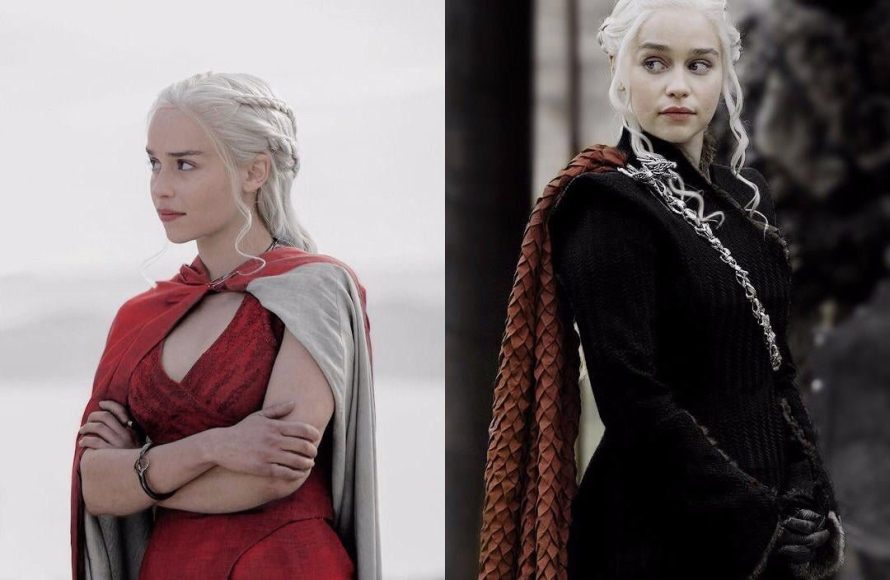
Game of Thrones costumes appear inconsistent because different characters have distinct cultural and regional backgrounds, and these costumes evolved over time due to practical considerations like weather and available resources, which were also driven by plot developments.
Have you ever watched Game of Thrones and thought something looked a bit off with the outfits? It’s a common observation, leading many to wonder, why are game of thrones costumes inconsistent? The show, famous for its intricate details, doesn’t always present a unified aesthetic.
This isn’t simply a matter of oversight. The design choices reflect the diverse world of Westeros, a land of varied climates and civilizations. The costumes actually tell a story on their own.

Why Are Game of Thrones Costumes Inconsistent?
Have you ever watched Game of Thrones and thought, “Wait, why does that character’s outfit look different than it did last season?” You’re not alone! Many fans have noticed that the costumes in this epic fantasy series sometimes seem to change in ways that don’t always make sense. It’s not about a simple wardrobe refresh; it’s about larger shifts that affect how we see the characters and the world they live in. Let’s explore the reasons behind these inconsistencies, diving into factors like time constraints, character development, and even budget changes.
The Ever-Shifting Sands of Time and Production
Making a show as massive as Game of Thrones takes a lot of work, and the production schedule is incredibly demanding. This can be a big factor in why costumes sometimes appear inconsistent. Remember, the show filmed over many years, and multiple seasons were often filmed back-to-back or with short breaks in between. This means that different design teams, or even just the same designers working under tight deadlines, sometimes have to make quick choices.
Time Jumps and Character Growth
One key reason for costume variation is the passage of time within the narrative itself. While seasons might have taken a year to air, sometimes months or even years pass within the story. Characters grow, their situations change, and these changes can (and should) influence their wardrobe choices. Let’s examine some examples:
- Daenerys Targaryen: We see her move from simple, light dresses as a young girl to increasingly intricate and powerful designs as she amasses an army and conquers cities. The change reflects her rise in power. Her early outfits were simple and vulnerable, reflecting her status as a pawn. As she gained confidence and power, her costumes became more elaborate, with stronger silhouettes and regal details.
- Sansa Stark: From the naive girl in Winterfell wearing simple northern dresses, she evolves into a sophisticated strategist in King’s Landing and later a hardened leader. Her costumes reflect these changes – the soft, girlish outfits were replaced by elegant gowns, and later by the practical, armored clothes befitting a ruler of the North.
- Arya Stark: Arya’s wardrobe evolution is perhaps the most dramatic. She goes from wearing dresses to dressing as a boy, then as a faceless assassin, before finally donning more practical, functional garments for travel and combat. This trajectory showcases her constant adaptation and survival in a harsh world.
These deliberate changes in character style are not inconsistencies; they are a part of the story. These costume evolutions helped to create dynamic characters. However, sometimes these story-driven costume changes can also feel jarring, especially when a costume style has been consistent for several seasons. The key is to understand these changes often serve the narrative and character development.
Behind the Seams: Budget and Production Logistics
The sheer scale of Game of Thrones presented a big challenge, not just for the writing and acting, but also for the costume department. Imagine the thousands of costumes, armor pieces, and accessories that needed to be designed, created, and maintained for each season! A large-scale show like this has a budget that fluctuates throughout production. These budget changes, and even just differences in what they are focusing on each season, can impact the quality and design of the costumes.
The Impact of Budgetary Fluctuations
Early seasons, while still lavish, might have had to work within tighter budget constraints compared to later seasons when the show’s popularity exploded. This could lead to variations in material quality, detailing, and even the overall volume of costumes available for background actors. There is an enormous difference between designing a few costumes for a single episode versus creating a whole wardrobe for entire armies. The logistical complexities of maintaining the scale of the show can lead to cost-cutting in some areas, and this sometimes shows up in inconsistencies in the costumes.
Resource Allocation and Location Challenges
Shooting in multiple countries also presented challenges. Sometimes, access to materials, time, and labor force changes depending on where they were filming. This could potentially lead to subtle differences in fabric and craftsmanship from season to season. It’s important to consider not only the cost of the materials themselves, but also the cost of transporting them, and the logistical challenges of having tailors and designers on-location. Also, filming in different parts of the world could lead to different interpretations of the source material, resulting in slightly varied aesthetics.
For example, imagine the challenge of creating dozens of intricate Dothraki costumes in one location, versus recreating these designs in another location with a different set of resources. These variations, while subtle at times, can be noticeable to viewers.
The Human Element: Design Team Changes and Interpretations
Over the show’s many seasons, the costume department saw some personnel changes. Different designers, while following the overall style guidelines, bring their own unique sensibilities and approaches to their work. This shift in perspective can cause subtle (and sometimes not-so-subtle) shifts in the costumes. Even within the same costume department, individual designers might have slightly different interpretations of the source material, resulting in varied styles. Here are some key points:
Different Design Sensibilities
One costume designer might be more focused on historical accuracy, while another might favor more fantastical or stylized designs. The difference in individual vision can lead to visual discrepancies. While overall, the costume department attempted to maintain consistency, subtle shifts in personal taste are inevitable, especially during such a long production. Imagine trying to keep a uniform style over ten years! The changing of design team members can lead to the slight variations you might notice in the series.
The Challenge of Collaboration
Even within a single season, there are often multiple designers working on different aspects of the show. Coordination is key, but when you have several creative people, discrepancies might arise, even with the best intentions. It’s a collaborative effort, but these collaborative environments can sometimes result in different outcomes that, from the viewer’s perspective, can appear as inconsistent.
Behind-the-Scenes Practicalities and “Cheats”
Sometimes, the costume inconsistencies are due to practical considerations. The world of television production is full of tricks and shortcuts that help with storytelling. Things that look fantastic on screen might not have been so fantastic to create in real life! Here are a few things that can play a part:
Practicality Over Accuracy
While designers strive for authenticity, sometimes practicality takes precedence. For example, a costume might need to be adjusted so it’s easier for the actor to move, fight, or even sit comfortably during long hours of filming. A beautifully designed armor may look amazing, but if the actor can’t walk properly in it, they need to adjust the look. Some adjustments may be minimal, some may be quite large, and these adjustments are sometimes visible on camera. Think of all the heavy furs and garments needed for the North—they had to look authentic, but they also had to allow actors to perform.
Stock Costumes and the Repurposing of Garments
To save time and money, some background costumes and accessories were repurposed from other projects, or even from previous seasons of the show. While this is common practice in television and film, using these existing items can sometimes lead to noticeable differences in style. It is not unusual for large shows to reuse costume pieces for background actors, and these “stock” costumes might not perfectly match the principal cast’s costumes, creating minor visual inconsistencies. This was a practical approach to handling the thousands of background characters that were necessary for the scenes.
The Power of Illusion
Sometimes, what appears like a radical change in costume is simply the angle, lighting, or even digital effects used on the set. Lighting and camera angles can drastically change how a costume looks on camera. The art of visual storytelling can create optical illusions, making things appear different on screen than they really are in real life. And of course, during post-production, digital effects may affect the look of the costumes. This can lead to differences that are not the fault of the costume department.
Specific Examples: Diving Deeper into Notable Inconsistencies
Let’s look at a few examples where the costume changes are noticeable enough that they raised questions among the fan base.
The Shifting Styles of Cersei Lannister
Cersei’s wardrobe had several shifts that were sometimes very subtle, sometimes very dramatic. For instance, in the early seasons, her dresses were elaborate and ornate, reflecting her status as the Queen. In later seasons, after her walk of shame and rise to power, her style becomes darker and more severe, with a lot of black and metallic ornamentation. While these changes were meant to reflect her personal journey, sometimes fans noticed that the detailing of her gowns, or even the placement of the embroidery, were not consistent from one scene to another. These variations were very likely due to the time constraints and the sheer volume of work for the costume team.
The Ever-Changing Armor of the Night’s Watch
The Night’s Watch, with their black leather and fur, had a relatively consistent style. However, the type of leather used, the details on the armor, and even the fur changed subtly throughout the show. These variations were a mix of practical choices for fighting on set, budgetary factors, and even the differences in the design team. The armor may have also been changed to make the movements of the actors easier and more comfortable on camera, which led to variation. There can also be differences in how the uniforms look on different body types of the actors, which can contribute to the perceived inconsistency.
The Many Faces of the Unsullied
The Unsullied, with their iconic armor, had subtle variations over the course of the show. The metal finish, the straps and buckles, and the overall fit varied slightly. Some of the variations could have been due to the use of stock armor, especially for extras. While the overall design remained consistent, differences in the material used or construction techniques could lead to small discrepancies. Another factor is the actors wearing the armor: slightly different fits will look different on screen.
Ultimately, understanding why these variations exist can add to your appreciation of the creative effort that went into bringing the world of Westeros to life. Though subtle inconsistencies did happen during the run of the show, the overall quality and impact of the costumes on the series remains significant.
So, the next time you notice a costume change that seems a bit off, remember there’s a complex set of circumstances that could explain it. From character growth to budget changes and team shifts, many behind-the-scenes factors influence the way things look on screen. These inconsistencies often come from the difficult realities of filming a huge show over many years and while also trying to stay true to the world George R.R. Martin created.
Game of Thrones – How to Ruin a Great Show
Final Thoughts
Costume changes in Game of Thrones arose from practical filming needs and evolving narrative focus. Different designers and budgets across seasons significantly affected the overall appearance.
Character arc alterations, like Daenerys’ shift in power, also warranted visual adjustments. These shifts directly led to visible inconsistencies.
Ultimately, why are game of thrones costumes inconsistent? The answer lies in production demands and the story’s ever-changing scope. The visual styles must follow the narrative and budgetary constraints.

