
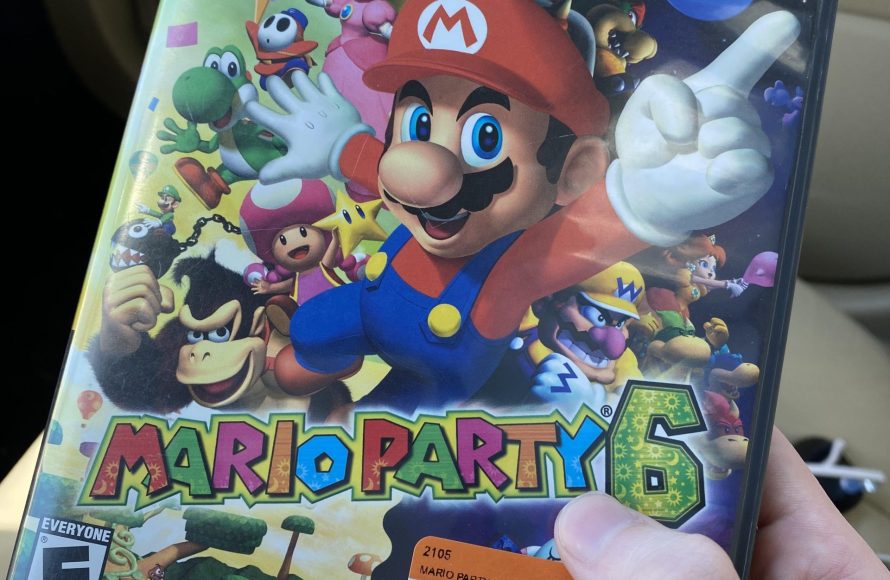
Gamecube games are expensive due to limited original production, high demand from collectors and nostalgia, and the increasing scarcity of working consoles.
Ever wondered why finding a copy of Paper Mario: The Thousand-Year Door doesn’t feel like a casual purchase anymore? The question of why are gamecube games so expensive pops into many retro gaming enthusiasts’ minds.
It’s not just one factor, but a perfect storm of scarcity and lasting popularity. Many of these games had relatively small print runs originally.
The passion for retro games coupled with the now older hardware means prices only seem to increase. This makes the hunt for a gem quite a costly one.

Why Are Gamecube Games So Expensive?
Have you ever looked at prices for old Gamecube games and thought, “Wow, that’s a lot of money!”? You’re not alone! Many people are surprised by how expensive these games can be. It’s not just nostalgia; there are several real reasons why those little discs fetch such high prices. Let’s dive into the world of Gamecube collecting and see what makes these games so valuable.
The Power of Nostalgia
One of the biggest reasons for the high prices is simply nostalgia. The Gamecube came out in 2001, so many people who grew up playing it are now adults with a bit more money to spend. These were the games of their childhood, and owning them again brings back happy memories. This creates a strong demand, and when demand is high, prices tend to follow.
Think about it: If you remember playing a certain game with your friends when you were younger, and now you have a little extra cash, wouldn’t you want to buy it again? This feeling is very common, and it drives up the prices for many older games, but especially for Gamecube titles. There is a special place in the heart for those purple boxes and the memories they hold.
The “Childhood Toy” Effect
This nostalgia isn’t just about the games; it’s about the whole experience of that time. It’s about the friends, the Saturday mornings, and the excitement of getting a new game. Re-acquiring these games is like getting a piece of your past back, and that feeling is something many collectors are willing to pay for. The games become more than just entertainment; they become cherished artifacts of a specific period in people’s lives.
Limited Supply: Fewer Games in the Wild
The Gamecube wasn’t the best-selling console of its generation. This means fewer Gamecube games were made compared to other consoles like the Playstation 2. This limited supply of games, especially the rarer titles, drives prices way up. Imagine if only 100 copies of a particular game were ever produced; they’d be incredibly valuable, right? While Gamecube games weren’t quite that limited, the lower initial numbers impact their price now.
Over time, many of those original copies get lost, broken, or simply worn out. People toss away old cases and manuals. So, finding games in great condition, with all of their original packaging, becomes harder and harder. This is why a complete-in-box (CIB) copy of a game is usually more expensive than a disc-only copy. Fewer copies available to buy means higher prices, it’s simple supply and demand.
The Impact of Condition
Condition of the game plays a huge part in the pricing. A game with scratches on the disc, a torn manual, or a damaged case will be worth a lot less than a game in pristine condition. Collectors look for games that seem like they just came off the shelf. This focus on condition further reduces the number of “good” copies available, making those copies more expensive.
- New (Sealed): Games that are still sealed in their original packaging are often the most valuable.
- Like New: These games look like they were never used, with no damage to the disc, case, or manual.
- Very Good: Minor wear and tear, but the game is still in good playable condition.
- Good: Noticeable scratches or damage, but the game is still playable.
- Acceptable: The game works but has visible wear and tear.
The Rarity Factor: Some Games are Just Hard to Find
Some Gamecube games are simply rarer than others. Some games were made in smaller numbers, while others were only released in certain regions. This makes certain titles very difficult to find, and when they do show up, they often command high prices. It’s all about the hunt for those rare gems, and collectors are often willing to pay extra for the thrill of owning a difficult-to-find game.
For example, games that were exclusive to a specific retailer, or released late in the Gamecube’s lifespan, tend to be harder to find. These games are often not as widely available as more popular titles, so they’re highly sought after. This limited availability makes these games more desirable for collectors, increasing their cost.
Examples of Rare Gamecube Titles
Here are a few examples of Gamecube games that are known for their rarity and high prices:
- Cubivore: Survival of the Fittest: This unique action-adventure game was not widely produced, making it highly sought after.
- Go! Go! Hypergrind: This skateboarding game is rare due to its limited release, and it has become a collector’s item.
- Fire Emblem: Path of Radiance: A critically acclaimed strategy RPG, this one didn’t have a wide print run and is now quite valuable.
- Pokemon Box Ruby & Sapphire: This storage tool for Pokemon games is rare and is desired by hardcore Pokemon fans.
- Metal Gear Solid: The Twin Snakes: This remake is expensive due to its popularity and relatively low print numbers.
The Demand from Collectors
The desire to own and collect video games has grown over the years. Many people who played games as kids now want to build collections. This includes trying to own every game for a certain console. This increase in the number of collectors has created a greater demand for older games, including those for the Gamecube, driving up prices significantly.
These collectors aren’t just buying the games to play. They see them as investments, pieces of gaming history, or part of a personal collection. The desire to complete a collection is very strong, and collectors will often pay a premium to fill the gaps in their libraries. This is very different from buying a game simply to play it on a rainy day, it’s more of a focused mission.
The Influence of Grading Services
Grading services, like WATA or VGA, have also influenced the price of Gamecube games. These services grade the condition of games and provide a score, with higher scores increasing a game’s perceived value and collectability. A graded game has gone through a process of authentication and assessment, and this added assurance can lead to higher selling prices, appealing to serious collectors.
Grading creates a hierarchy of value, with higher-graded games commanding the highest prices. This makes games with perfect scores even rarer and more desirable, adding another layer of cost to the collecting world.
The “Hidden Gems” Phenomenon
Not all expensive Gamecube games are big-name titles. Some lesser-known games have risen in price due to their unique gameplay, charm, or cult following. These “hidden gems” were initially overlooked, but now people seek them out, and their newfound popularity drives up the prices. This is also known as word-of-mouth effect where a particular game is not so popular, but slowly and gradually it starts getting popularity from the word-of-mouth of the people who already played that game.
These gems often have a dedicated fan base that appreciates their unique qualities. When this happens, they become highly sought-after, especially by collectors who are looking for different kinds of games to add to their collection. They enjoy discovering games that others might have missed. It’s like uncovering a treasure that others have overlooked, and that can be very exciting for collectors.
Examples of Hidden Gem Games
Some “hidden gem” Gamecube titles that have gained value include:
- Gotcha Force: This action game has a unique battle system and a niche following.
- Ribbit King: This unique golfing-type game has become a cult classic.
- P.N.03: This stylish shooter from Capcom has gained a following in recent years.
- Billy Hatcher and the Giant Egg: This 3D platformer has a unique concept.
- Killer7: A very strange and unique title that has developed a cult following.
The Cost of Producing Physical Games
While it’s true that the Gamecube was released a long time ago, the physical production of games is actually a factor in the current prices. It costs money to make, package, and ship video games. This cost, which is called production cost, includes everything from the discs themselves to the manuals, box artwork, and packaging. All of this adds up, and this is reflected in the overall price of a game.
And when you talk about older consoles like the Gamecube, there are no new copies being made now. So, each existing copy is more valuable because they are relics of the past. The older and more rare the disc and box and manuals, the cost of producing the physical item goes up.
The Case of Complete-in-Box (CIB)
A “complete-in-box” (CIB) game includes the original case, the game disc, and the manual, along with any other inserts that came with the original packaging. CIB games are more valuable because they are harder to find in good condition. Completeness is a major factor in the value of older games, and that goes for Gamecube games as well. Many people want to have the whole package as a set, not just a single disc without the manual, the original box or the other things which come with the original release.
The Impact of Online Marketplaces
Online marketplaces like eBay, Amazon, and specialized retro game stores have made it easier to buy and sell Gamecube games. This increased accessibility has also created a more transparent market, where pricing information is widely available. It also means you will see what each game is being sold for in real time. This has caused the prices to go up as everyone can now see the real cost of the game, and people are willing to pay for it.
The ability for many people to view and compare prices instantly impacts overall pricing. This transparency can cause prices to increase as collectors know the market value and are more willing to spend higher amounts for particular games. This also means that sellers have access to lots of potential customers, which means they might charge more knowing they have a large buyer pool to target.
The Role of Price Guides
There are many video game price guides available online, and these act as a reference point for buyers and sellers. These guides help to keep the pricing of games consistent and predictable. Collectors and sellers often use these guides to determine the value of a game, and this can also contribute to the high prices you see when buying a Gamecube game.
The Continued Popularity of the Gamecube
The Gamecube has also grown in popularity, in more recent times, as its retro status increases. Many people who never had a Gamecube are now discovering its amazing game library. The console has its own fan base and some people are just getting into retro gaming. This increased interest has added to the demand, driving up prices for games even more.
The Gamecube’s unique style and interesting games keep bringing new players to the system. This helps to keep the Gamecube relevant even in the newer video game era, and its unique games will be always talked about in a positive light. Its unique design and games create a special feeling that continues to this day.
The “Nintendo Tax”
It’s a known thing in the video game collecting world that Nintendo games tend to be more expensive than titles for other systems. This phenomenon is often referred to as the “Nintendo Tax.” This is because Nintendo has many popular franchises, such as Mario, Zelda, and Pokémon. These games have a massive fan base and are always in high demand, and the popularity of Nintendo characters is unmatched by any other platform.
This “Nintendo Tax” applies to many of Nintendo’s consoles, including the Gamecube. The games, and the hardware, almost always retain their value when compared to other consoles. Because many Gamecube games star these popular characters, this also pushes their price up, along with their rarity and their collectibility.
So, when you ask “why are Gamecube games so expensive,” it’s not just one single reason. It’s a mix of nostalgia, limited supply, the rarity of certain games, collector demand, the discovery of hidden gems, production costs, online marketplaces and the continued popularity of the Gamecube and the Nintendo brand. All of these things work together to make these classic games valuable in the modern era.
Why are Gamecube games so valuable?
Final Thoughts
The high prices result from several factors. GameCube games had limited production runs, contributing to scarcity. Nostalgia also drives up demand, with collectors seeking childhood favorites.
Many titles are genuinely excellent, increasing their desirability. This combination of low supply and high demand creates a market where ‘why are gamecube games so expensive’ becomes a recurring question, causing prices to soar.

