
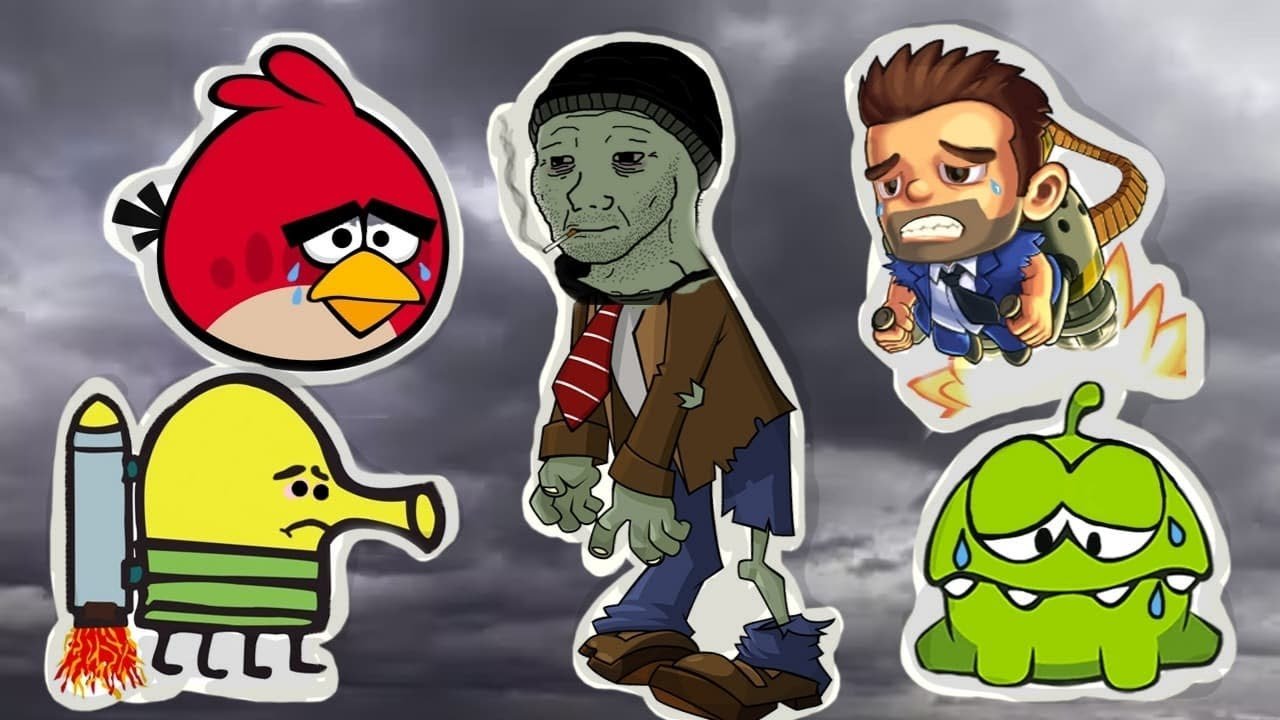
Mobile games often prioritize monetization and addictive mechanics over genuine gameplay quality and user experience, leading many to feel that mobile games are so bad.
Have you ever found yourself endlessly tapping away at a mobile game, feeling strangely unfulfilled? It’s a common experience. The question of “why are mobile games so bad” is frequently asked, and for good reason. Many games on our phones seem designed to drain our time and wallets rather than provide genuine entertainment.
The focus on in-app purchases, coupled with repetitive gameplay loops, leaves many players feeling frustrated. They often lack the depth and innovation we might expect from traditional gaming platforms. This constant push for engagement, often through manipulative tactics, cheapens the experience.

Why Are Mobile Games So Bad?
We’ve all been there. You’re waiting in line, bored on the bus, or just trying to kill some time, so you grab your phone and open a mobile game. But sometimes, those games just leave you feeling… well, not great. They can be frustrating, repetitive, or just plain annoying. So why is that? Why do so many mobile games miss the mark? Let’s dive into some of the main reasons why mobile games often get a bad rap.
The Lure of Free-to-Play and Its Pitfalls
A huge reason why many mobile games feel “bad” is because of the “free-to-play” model. It sounds great – a free game! But the developers have to make money somehow. This leads to all sorts of problems.
Aggressive Monetization Tactics
Many free-to-play games use aggressive monetization tactics to push players to spend money. These tactics often ruin the experience. Here are a few examples:
- Pay-to-Win: Some games let you buy powerful items or upgrades that give you a massive advantage over other players who aren’t spending money. This makes the game unfair and frustrating for free players. It feels like your skill doesn’t even matter; only your wallet does.
- Constant Ads: Many free games are loaded with ads. Sometimes you’ll watch one after every few minutes of gameplay. While some ads are ignorable, others can be incredibly intrusive, interrupting your game and ruining the flow.
- Loot Boxes: These virtual mystery boxes can be addicting, but also costly. You pay real money for a chance to get something good, but you might end up getting a lot of things you don’t want. It’s gambling disguised as fun, and this practice is becoming more frowned upon.
- Energy Systems: These systems limit how long you can play before needing to wait or pay for more “energy.” This often restricts your gameplay, preventing you from fully enjoying the game when you have free time. It feels less like playing a game and more like dealing with timers.
This kind of monetization design takes away from the game itself. It turns the focus from fun gameplay to making players spend money.
Designed to be Addictive, Not Fun
Some game developers focus on creating addictive games rather than truly enjoyable ones. They use certain tactics to keep you playing, even if you’re not having much fun.
- Daily Rewards: Games often give you free gifts just for logging in every day. This might seem nice, but it’s a tactic to create a habit, encouraging you to return, even if you’re not genuinely interested in playing.
- Progress Bars and Leveling Up: Watching a progress bar fill up, or constantly leveling up can be satisfying, but sometimes, it is all the game has going for it. It feels like you are constantly progressing, but not necessarily enjoying your time.
- Urgency and FOMO: Limited-time events and offers make players feel like they will miss out if they don’t play or spend money right away. This is known as the “fear of missing out,” and game developers use it to their advantage.
These tactics keep you playing, but not for the right reasons. They exploit our human tendency to get hooked, not our love for great games.
Lack of Depth and Originality
Many mobile games lack the depth and originality that we see in console or PC games. This often stems from the way these games are developed and designed.
Simple Gameplay Loops
Many mobile games follow very basic and repetitive gameplay loops. This makes them easy to pick up and play, but they often become boring quickly. For example:
- Match-3 Puzzles: While they can be addictive for a while, match-3 games all feel the same after a while. You just switch colored blocks to make matches.
- Endless Runners: You run, jump, and avoid obstacles. Again and again. There’s not much variation.
- Idle Clickers: You tap the screen repeatedly to generate resources. That’s pretty much it.
These simple games can be fun in short bursts, but they lack the challenge and complexity that many players crave.
Recycled Ideas and Clones
Because mobile games are relatively easy to develop, we see many copycat games. If a game becomes popular, there are often dozens of clones released soon after. This leads to a lack of new, unique experiences. Often, these clones are very similar or inferior to the original game. The mobile market becomes saturated with recycled ideas, creating a sense of sameness among the games that is unappealing.
Poor Storytelling
Many mobile games lack a compelling story. While some games have great narratives, many others are forgettable. Often the story is very short and the focus is more on gameplay. This is often due to the constraints of the mobile platform, or simply because the developers focus is on other aspects like the monetization. A good story enhances gameplay, making you feel more involved. Without it, games can feel hollow and meaningless.
Technical Issues and Limitations
Mobile games are developed for devices with varying capabilities. This often leads to technical issues that can ruin the experience for many players.
Performance Problems
Many mobile games are poorly optimized. They can run slowly or become very glitchy. This can be due to many reasons, such as:
- Lagging: Many games lag or drop frame rates, particularly on older devices. This leads to choppy animations and input delays, making the game frustrating to play.
- Crashing: Mobile games frequently crash, losing your progress. This issue is incredibly annoying, especially when it happens after a long session of playing.
- Overheating: Some games make phones heat up to the point that they become too uncomfortable to play. This can also damage your device.
These problems take away from the fun and can make games almost unplayable.
Touchscreen Controls
Touchscreen controls are not always ideal for playing games. Many mobile games struggle to translate complicated controls to touch-based interaction. This leads to accidental inputs and awkward movements. Here’s why it’s often a problem:
- Inaccuracy: Touch controls can be imprecise, leading to accidental touches, especially in fast-paced games.
- Limited Button Options: Touchscreens have a limited number of buttons compared to a controller or keyboard, making complex games difficult to control.
- Hiding Gameplay: Your fingers can cover parts of the screen while you are playing. This makes it more difficult to see what is going on in the game.
While many mobile games are designed around the limitations of touch controls, many others struggle to do it well. This contributes to the overall feeling that many mobile games aren’t great.
Battery Drain
Many mobile games quickly drain your phone battery. This is especially frustrating if you are away from a charger and want to play for more than a short time. The battery drains more quickly because many games have to keep your screen on, and may use more graphics, all adding up to a higher battery consumption.
The Impact on Player Expectations
The prevalence of these issues has shaped player expectations for mobile gaming. Many people don’t expect much from mobile games, and this often becomes a self-fulfilling prophecy.
The “Time-Waster” Mentality
Many people view mobile games as simple “time-wasters,” rather than true sources of entertainment. This means that many game developers aren’t pressured to create a better product, leading to a cycle of mediocrity. They think “it’s just a mobile game,” so they don’t invest much time or effort into creating something great.
Low-Quality Standards
Because many mobile games are low quality, it lowers the bar for the entire platform. Players are used to seeing repetitive gameplay, aggressive monetization, and technical issues. This can make it harder for truly great mobile games to stand out from the crowd. It’s as though we’ve been conditioned to expect something not very good, so we’re rarely surprised with excellence.
Negative Perceptions
The issues with mobile games have led to a negative perception of the industry as a whole. Many people see mobile games as exploitative and low quality. It can be hard to convince someone that mobile gaming can be as good as PC or console gaming when the main experience that they have had with it is very bad.
A Glimmer of Hope: The Good Side of Mobile Gaming
Despite all the bad aspects of mobile gaming, not all mobile games are terrible. There are many great games that defy the negative stereotypes. Let’s look at some of the positive elements.
Accessibility
Mobile gaming has made gaming more accessible to everyone. Most people have a smartphone, so they can play games whenever and wherever they want. This helps to make gaming easier to get into, without needing to buy a console or PC to play.
Innovation
Despite the issues with many clone games, some mobile games demonstrate innovation. They explore new types of gameplay and try new ideas. This leads to interesting and creative games that you can not find on any other platform. Games that have tried new things like Augmented Reality, or used the device’s touch screen in creative ways.
Affordability
While many mobile games are designed to get you to spend money, many others are very affordable. Many great games are available for just a few dollars. You can often get a great game for less than the price of a cup of coffee!
The Growing Potential
Mobile gaming is always growing and getting better. With new technology, smartphones become more powerful, and developers get better at designing for the platform, mobile gaming can become even better. New methods for playing, new ways of handling mobile games, it’s all always evolving and being refined to allow mobile games to reach their potential.
So, why are mobile games so bad? The answer is complex. It’s a combination of free-to-play monetization, lack of originality, technical limitations, and the impact these problems have had on player expectations. It’s not all doom and gloom however, because many mobile games are very fun and enjoyable. As technology gets better, and developers learn to avoid the pitfalls of the mobile market, we can hope to see that more mobile games continue to improve.