
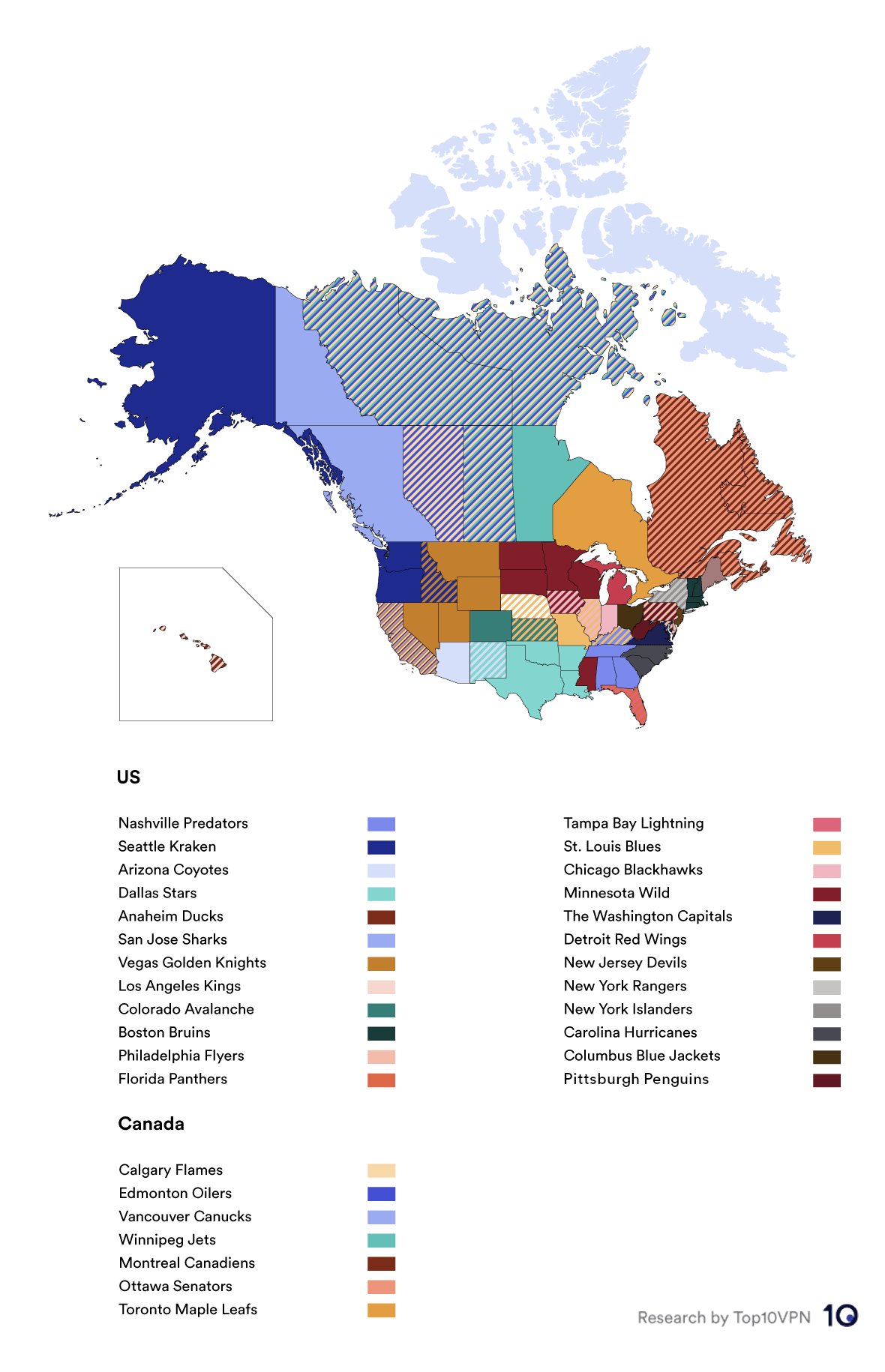
NHL games are blacked out due to territorial broadcast rights agreements that grant exclusive viewing access to specific networks within designated regions.
Ever find yourself impatiently waiting for the puck drop, only to be greeted by a black screen? It’s incredibly frustrating when you can’t watch your favorite team. The question, ‘why are nhl games blacked out,’ often pops up among hockey fans.
These blackouts aren’t random, they are actually tied to complex deals between the NHL and various broadcasters. These agreements dictate where certain games can be aired. It’s all about protecting local market viewership.

Why Are NHL Games Blacked Out?
Ever get excited to watch your favorite NHL team, only to find the game is blacked out? It can be super frustrating! It’s like being promised a delicious pizza and then finding out you can’t have a slice. This happens because of something called “broadcasting rights” and “territorial restrictions,” which are a bit like rules for TV channels and who gets to show what game where.
The Basics of Broadcasting Rights
Think of broadcasting rights like buying a special permission slip. TV networks, like ESPN, TNT, or even local stations, pay the NHL (National Hockey League) a lot of money to get the right to show their games. When a network buys these rights, they’re basically buying the exclusive ability to broadcast specific games in specific places. This is a big deal, and it’s how the NHL makes a lot of its money, which then helps to support the teams and the sport.
What are “Territorial Restrictions”?
Territorial restrictions are basically boundaries, just like the lines on a map. These boundaries determine which network has the right to show games in certain areas. Imagine a circle around each team’s city. The network that owns the broadcasting rights for that area is usually the only one that gets to show the game there. This is also why you might be able to see a game when you’re on vacation in a different state, but not when you’re at home.
Here’s an easy example: Let’s say the New York Rangers are playing. A local New York channel might have the rights to show the game in the New York City area. But if you live far away, like in California, you won’t see that local channel. Instead, you might see the game on a national channel or a different regional sports network if they have the rights for the west coast. If no one has the rights, then the game could be blacked out.
Why Do Blackouts Happen?
Blackouts happen for a few main reasons. Let’s break them down:
Protecting Local Broadcast Partners
The main reason for blackouts is to protect the local channels that pay a lot to broadcast the games. These local stations are vital for fans, and they need to know people will tune in. If everyone could just watch any game on a national channel, these local stations would lose viewers, and they wouldn’t be able to pay the NHL for the broadcasting rights. Blackouts help ensure local stations keep their viewers. Imagine if your favorite ice cream shop closed because people could just get ice cream for free somewhere else – that’s kind of what the NHL is trying to avoid with blackouts for local channels.
Promoting Attendance at Games
Another reason is to encourage people to actually go to the games! If you could always watch every game on TV, why would you spend the money to buy tickets and go to the stadium? Blackouts, especially within the home team’s market, are a way to try and boost ticket sales. The NHL and the teams want fans to experience the excitement of being there in person, cheering on their team. It’s like the special feeling you get when you go to a concert rather than just listening to the music at home.
National Broadcasting Agreements
National channels like ESPN and TNT also have agreements with the NHL. These agreements mean they get to show certain games across the entire country. However, sometimes, a game might be picked for national broadcast. If it is, and the local station has also bought the rights, the local broadcast might be blacked out in favor of the national feed. This is to make sure the national broadcast gets enough viewers, since a national channel paid more for those particular games. It’s like the NHL giving a bigger piece of the pie to the national channel for that game.
How Do Blackouts Work in Practice?
Now, let’s get into the nitty-gritty of how blackouts actually work:
Regional Sports Networks (RSNs)
Most NHL teams have a local or regional sports network that broadcasts their games. These RSNs often cover a specific geographic area. For example, if you live near Philadelphia, you might have a channel called “NBC Sports Philadelphia,” which shows all the Flyers games. These RSNs are often the primary source of local broadcasts.
The Impact of Your Location
The key thing to understand is that where you live determines which games you can watch. If you’re within the “territory” of a specific RSN, you’ll likely get that network’s games without trouble. However, if you live outside of the territory, or the game has been picked up by a national channel, that’s when blackouts happen.
Using Streaming Services
Streaming services have changed things quite a bit. Many people now use these services to watch sports. However, even streaming services are subject to blackout rules. These companies often have to negotiate rights with the NHL, just like traditional TV channels. So, if a game is blacked out on cable, it’s likely going to be blacked out on your streaming service too. Always check the local listing or the streaming service to see if the game is available in your area.
NHL Center Ice and NHL Live
The NHL also offers its own streaming services, such as NHL Center Ice and NHL Live (now on ESPN+). These services allow you to watch games from all across the league. However, even these have blackout restrictions! If you are within the local market of a game, you usually won’t be able to watch it live on these services. You’ll typically need to watch it through your local RSN or a national channel broadcast. These services are great for out-of-market fans but are less helpful if you live in a team’s home area.
Understanding the Different Types of Blackouts
Not all blackouts are the same. There are different types of blackout scenarios, let’s take a closer look.
Local Blackouts
These are the most common type of blackouts. They happen when a game is only available through the local RSN in your area. If you’re trying to watch a team from a different market through a national stream, you’ll likely be blacked out.
National Blackouts
National blackouts occur when a game is being broadcast on a national channel. In this case, the national channel takes priority over local broadcasts, so you might miss the local feed in favor of the national broadcast of the game. This usually happens if a big game is on that many people want to see nationally.
Out-of-Market Blackouts
If you live outside the local market for a specific team, you will not see their broadcast, even if you subscribe to that team’s specific broadcast network. If you use an out-of-market streaming service, you might be able to see that game.
The Impact of Blackouts on Fans
Blackouts can be frustrating for fans, especially in today’s digital age where we expect to watch anything we want, whenever we want. They can make it hard for fans to follow their favorite teams if they live outside of the team’s main market, or even if they’re trying to watch a nationally broadcast game. Here are some impacts blackouts can have on hockey fans:
- Reduced Access to Games: Fans may miss games and their favorite teams on a regular basis due to blackouts.
- Confusion and Frustration: Understanding why a game is blacked out can be confusing, and can make fans feel like they’re missing out.
- Increased Costs: Fans are sometimes pushed towards subscriptions or pay-per-view options to be able to watch the games that are blacked out locally, increasing their costs.
- Negative Experience: Blackouts could lead fans to feel less engaged with the sport and their teams.
What Can Fans Do About Blackouts?
While you can’t get rid of blackouts entirely, there are things you can do to work around them.
Understand Your Local Broadcast Schedule
First, get to know which RSN shows your local team’s games. Look up the schedule for that RSN, and that is how you will be able to know when and where you will be able to watch the game, and also see when some games might be nationally broadcast.
Consider a VPN
A VPN, or Virtual Private Network, can sometimes help you get around blackout restrictions. VPNs change your IP address, which makes it seem like you’re in a different location. This is a possible workaround, but is also not always guaranteed. You also need to make sure that using a VPN doesn’t break your streaming service’s terms of service.
Check if you qualify for NHL Center Ice or ESPN+
If you’re an out-of-market fan, NHL Center Ice or ESPN+ with NHL Live might be an option if you live outside of a team’s local area, as you would not be subject to blackouts because of living in the local market. However, remember that these services often will black out games that are within the local team’s market.
Going to the Game
While this isn’t an answer to the blackout problem, you can always try going to games in person, which will give you an experience you can’t get anywhere else! It’s an exciting time to be in the arena and cheer on your favorite team. This is, after all, the biggest reason behind the blackouts in the first place!
Contact Your Providers
Don’t be afraid to call up your cable or streaming provider if you’re experiencing blackouts more often than you would expect, they could have a technical issue or other problem that can be fixed. Sometimes a simple call or text will solve the issue.
The Future of Blackouts
The way we watch sports is always changing, and the issue of blackouts is part of that evolution. With the increase in streaming and digital content, many people are questioning how the NHL and broadcasters will manage these broadcasting rights in the future. Many different sports leagues are also changing the way they do business, and the NHL will most likely follow in their steps in the years to come.
The Potential for Change
Some fans believe there should be more options for watching games without blackouts. There’s been lots of discussion about if different types of viewing packages would solve some of these problems. Only time will tell if these problems will be resolved.
Negotiating the Rights
The rights agreements between the NHL and different networks are complex and always changing. The way sports are broadcasted are always in a state of change and development, so these agreements will keep changing too. As new ways to watch sports appear, it is possible that the blackout rules and the ways that fans access games will change to reflect the times.
Blackouts can feel like a complicated puzzle, but they really come down to protecting broadcasting rights and encouraging fans to support their local teams. While they can be frustrating, there are things fans can do, like being mindful of broadcast schedules and considering alternative viewing options. As technology changes, we might see some changes to these rules in the future, but for now, understanding why blackouts happen can help hockey fans navigate the world of NHL broadcasting a little bit better.
Why is my NHL game blacked out?
Final Thoughts
Blackouts exist because of broadcasting rights agreements and local market protections. These agreements grant exclusive airing to regional networks. These regional restrictions prevent national broadcasts from airing in certain areas. This is the core reason why are NHL games blacked out.
Ultimately, these rules aim to boost attendance and ensure that regional networks make revenue. The blackout policy impacts a fan’s viewing experience, making it necessary to understand. The complexity of broadcast rights must be considered.

