
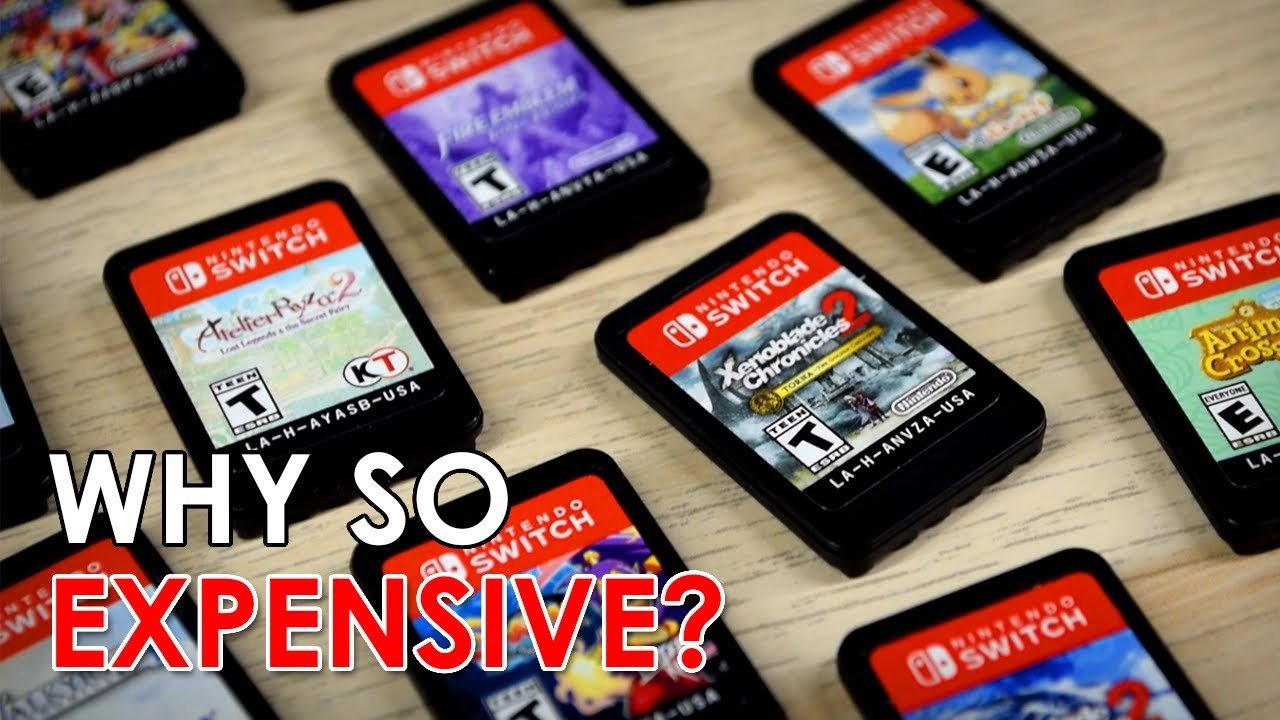
Nintendo’s high game prices stem from a combination of factors, including Nintendo’s tight control over game production and licensing, their focus on quality over quantity, and a strong demand for their exclusive titles that allows them to maintain higher prices.
Ever wondered why your wallet cries a little every time you browse the eShop? We all have. It’s a common gripe among Switch owners – why are nintendo switch games so expensive? It seems like every new release comes with a hefty price tag.
This isn’t just a feeling; the cost of Nintendo’s software often sits higher than that of other consoles. Let’s delve into the reasons behind these premium prices. We’ll explore the factors that contribute to the cost of your favorite games.

Why Are Nintendo Switch Games So Expensive?
Have you ever looked at the price of a new Nintendo Switch game and felt a little shocked? You’re not alone! Many gamers wonder why these games often cost more than games for other consoles like PlayStation or Xbox. It’s a valid question, and there are several good reasons behind it. Let’s dive in and explore the factors that contribute to the higher price tags on Nintendo Switch games.
The “Nintendo Tax” – Is It Real?
Some people talk about a “Nintendo Tax,” suggesting that Nintendo games are just priced higher because they can be. While it might seem that way sometimes, it’s more complex than a simple pricing strategy. It’s not that Nintendo is trying to rip off its fans; it’s more about how their games are made and sold. Several things go into setting the price, and they all add up.
The Value of First-Party Exclusives
One big reason for the cost is Nintendo’s first-party games. These are games made by Nintendo themselves, like The Legend of Zelda, Super Mario, and Animal Crossing. These are exclusive to the Switch, meaning you can’t play them anywhere else. This exclusivity creates high demand, and Nintendo knows fans are eager to play them. Think of it like a popular movie – everyone wants to see it, so the theaters can charge more for tickets. Nintendo does something similar. Because these are often seen as system-sellers (people buy a Switch just to play those games), Nintendo knows they hold a lot of value. The cost of developing these highly polished, often innovative games is also a contributing factor.
Development Costs – More Than Meets the Eye
Creating a great video game isn’t cheap. It involves lots of skilled people: artists, programmers, sound designers, writers, and testers. These teams work for years on a single game. The cost of their salaries, the software they use, and other resources all add up. For Nintendo’s big games, the level of detail and polish is super high. They often use advanced motion capture, and the art styles are very detailed. All of this increases the development budget. The high-quality experience that Nintendo aims for doesn’t come easy, and the cost is reflected in the final price.
- High quality art designs
- Advanced motion captures
- Team of skilled developers
- Extensive testing
The Cartridge Factor
Unlike PlayStation and Xbox which mainly use Blu-ray discs, the Nintendo Switch uses game cartridges. These little chips aren’t cheap to make. The manufacturing process is more expensive than making a disc. Here’s why:
- Complexity: Cartridges have a tiny computer chip inside, which stores the game data.
- Durability: They have to be tough enough to be inserted and removed many times.
- Production: The manufacturing process involves many precise steps, which add to the overall cost.
While many digital games are available through the eShop, physical copies still have significant demand, especially those with collectors in mind. Cartridges also enable a secondhand market, which is important for Nintendo’s reach, especially when certain games are out of print and become rare.
Production and Logistics
Making and shipping physical cartridges worldwide is a big undertaking. It requires factories, distribution centers, and complex logistics. When a new game is released, thousands of cartridges need to be produced and sent out to stores all around the globe. Each step in this process adds to the cost of the game. Transportation, packaging, warehousing, and retail distribution are all expenses that impact the final price.
The scarcity also plays a factor. Sometimes, if the demand for a game is very high, and the supplies are not enough, the price may go higher as well. However, that is not generally the case with new Nintendo games, but can happen with older, less frequently printed titles.
Nintendo’s Pricing Philosophy
Nintendo often aims to maintain a stable price point for its first-party titles. Unlike other platforms where games might drop in price quicker, Nintendo games often retain their value for longer periods. While other companies might quickly reduce the prices of their games to encourage sales, Nintendo seems to stick to its price for longer times. This is partly because of the consistent demand for their games, but also a different approach to the games as an investment. They’re not chasing massive sales every month but instead aim for a steady stream of income from their titles that they hope will be loved and replayed for many years.
The Second-Hand Market
The second-hand market for Nintendo games is quite robust. Because their first-party games often hold their value, used copies can still be sold for close to their original price. That’s not always the case with games on other consoles. The strong resale value can influence pricing. Nintendo is aware that their games will stay valuable for a long time, which they take into consideration when they are setting prices.
Long-Term Value of Nintendo Games
While Nintendo Switch games might be pricier upfront, many fans feel they offer great value over the long term. Nintendo games are known for their high quality, playability, and replayability. You can spend hundreds of hours in games like The Legend of Zelda: Breath of the Wild or Animal Crossing: New Horizons. They’re not games you play once and forget about. Many Nintendo games are also family-friendly, making them something you can enjoy with other people for a long time. They offer endless hours of gameplay and enjoyment that make them a worthwhile investment for many users.
The Nintendo Ecosystem
Nintendo also has a different approach to its consoles and game ecosystem. They are focused more on a “family fun” approach, with single player experiences that have a large replayability, but also a strong local multiplayer component. They usually don’t rely on multiplayer games with microtransactions that would allow them to sell items or skins, which many other companies rely on. That also results in higher initial prices of the software.
Lower Sales, Higher Prices?
It is also believed that compared to PlayStation or Xbox, the number of first-party Nintendo games sold is lower. Nintendo releases far fewer games compared to other companies, and therefore, if the games sell less, their price might need to go up a bit, in order to reach the set goals. This is especially the case when it comes to Nintendo’s highly produced, first party titles that take several years to develop.
Digital vs. Physical
Even digital downloads on the Nintendo eShop tend to be expensive. This is different compared to other digital games marketplaces, where you can see digital games going for significant discounts pretty often. Nintendo also keeps the price of its digital games quite high. They usually don’t offer deep price drops on first-party games, and keep digital editions as expensive as physical ones. This again is related to the overall price strategy they are using.
The “Nintendo Difference”
Ultimately, the higher price of Nintendo Switch games is a mix of several factors. It’s not just one simple thing. From the cost of making physical cartridges, to the value of exclusive games, and the high cost of development, it all plays a role in the price tag. Nintendo aims for quality and long-term value in its games, and many players feel that’s worth the price. So, the next time you see that price tag on a new Nintendo game, remember the amount of work that went into making it.
While it may sometimes seem hard to swallow, especially when compared to prices on other platforms, Nintendo’s approach often leads to unique gaming experiences that are hard to find anywhere else. The higher price, in the end, could be seen as an investment in quality and playability. Whether the price is justified in a given situation, is, of course, up to each consumer to decide.
Why Are Nintendo Switch Games Expensive?
Final Thoughts
Nintendo’s strong first-party titles and dedicated fanbase allow them to maintain higher prices. Cartridge production also adds to the cost. Limited sales and infrequent discounts also contribute to higher prices.
The lack of aggressive competition on the platform means Nintendo can set its prices. why are nintendo switch games so expensive? It is mostly due to these combined factors.

