
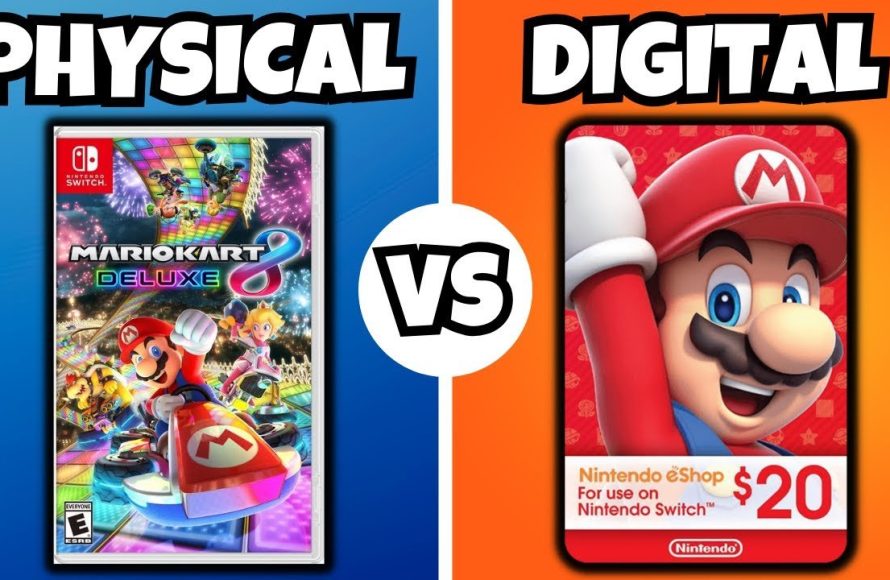
Physical Nintendo games often have lower prices because retailers compete to offer the best deals and used copies flood the market, while Nintendo controls digital pricing on their eShop.
Have you ever noticed that shiny new cartridge sitting on the shelf often costs less than its digital download counterpart? Many players are scratching their heads wondering, why are physical games for nintendo cheaper than digital? It seems counterintuitive in our increasingly digital world, right?
The difference in pricing largely boils down to market dynamics and how Nintendo handles their digital distribution. Physical copies enter a competitive retail market with lots of different places vying for your business. This creates discounts that are not seen on the eShop.
On the other hand, Nintendo has full control over prices in its digital storefront. They do not reduce pricing as often or as dramatically as other retailers. So, that price difference you see can be explained by a mix of competition and direct control.

Why Are Physical Games for Nintendo Cheaper Than Digital?
Have you ever noticed that the shiny, colorful game cartridges for your Nintendo Switch or 3DS often cost less than the digital versions you download from the eShop? It might seem a bit backward – after all, isn’t it cheaper to just send a file over the internet than to make a physical copy? Well, the world of video game pricing is more complex than it appears. Let’s dive into the reasons why physical Nintendo games often sport a lower price tag than their digital counterparts.
The Magic of Supply and Demand
One of the biggest reasons for the price difference boils down to the classic economic principle of supply and demand. Physical games are produced in large quantities. This means there’s a lot of them available for sale, and retailers often compete with each other to offer the best price to get you to buy from them. This competition naturally drives prices down. Think of it like a toy store. If there are a hundred of the same popular toy, the store might offer a discount to sell them all quickly. In the same way, physical game retailers adjust prices based on how many copies they have and how many they want to sell.
Competition Among Retailers
When it comes to physical games, a ton of different stores and websites all want your business. You can find them at big box stores like Walmart or Target, specialty game shops like GameStop, and even online giants like Amazon. These retailers constantly watch each other’s prices and often lower them to stay competitive. This intense competition is great for consumers because it means lower prices. On the other hand, digital games are mainly sold through the Nintendo eShop, where Nintendo has more control over the price. They don’t have the same pressure to lower prices to compete with other stores, resulting in a different pricing strategy.
The Pre-Owned Market
Another fascinating aspect of physical games is the pre-owned market. Once a game is bought, the original purchaser can sell it to other people. This creates a vibrant market for used games at much lower price points. Stores that sell pre-owned games are another source of competition. This competition can affect the price of new physical games. If people know they can buy a used game for cheaper in a few months, they might wait and then buy the physical copy.
The Costs of Digital Distribution
While it might seem like digital games should be cheaper due to the absence of physical production, there are costs that are often hidden from view. Delivering digital games isn’t free. Nintendo needs to keep its eShop servers running. These servers must be able to handle the large number of people who download games at the same time, especially when a new popular title is released. Nintendo incurs expenses for network bandwidth, maintenance, and keeping the platform secure. These are real costs that can add to the price of digital downloads.
Platform Fees
When Nintendo sells a digital game, they also have to deal with fees from platform providers. These fees can affect the final price of digital games on the eShop. When you buy a game through the eShop, there are associated transaction fees. These fees contribute to the overall cost structure of the digital games. Also, Nintendo invests a lot of money to maintain and make the eShop user friendly which might be another reason for higher price of digital games on eShop.
The Production and Distribution of Physical Games
Creating physical game cartridges or discs isn’t cheap, but there are costs associated with digital distribution as well. The production process involves creating the physical media (cartridges, discs), printing the box, and packaging, and then shipping them to retail stores. Nintendo must pay manufacturers for these materials, transportation costs to distributors, and retail space fees. This entire supply chain involves many steps, each costing money.
Retailer Markup
Physical retailers must make a profit to stay in business. When they buy games from Nintendo (or other distributors) they increase the prices to make money. This markup covers their costs, such as rent, employee salaries, and other operating expenses. The markup from retailer adds to the final price of the physical game. However, this competition among retailers as discussed previously often drives prices down for the consumers.
Nintendo’s Pricing Strategy
Nintendo has a specific pricing strategy for both its physical and digital games. Often times Nintendo rarely puts discounts on their first-party title games. This is because Nintendo knows that its games are popular and that players will pay full price to have them. There is not much competition for the Nintendo games. Even after several years of release, these first-party titles rarely drop in price because demand for these games is constantly high. Nintendo aims to maintain a certain value for their games, whether physical or digital.
Digital Pricing Control
Nintendo has more control over the pricing of digital games. They often set the prices for the digital version of their games higher than the physical version. This might be a way to encourage users to explore the used game market or buy physical copies for collectors. Nintendo doesn’t always have to compete with other retailers when it comes to digital downloads, which gives them more flexibility in pricing. Digital game prices may also be linked to the production price of the digital game for them as well, but this does not seem to play a significant role for first-party titles.
The Value of Ownership and Collectibility
For many players, the physical copy of a Nintendo game holds a special appeal. There’s something satisfying about holding a game cartridge in your hand, looking at the box art, and building a physical game collection. This feeling of ownership can play into the price and perceived value of a physical game. When you buy a digital game, you do not have any physical copy of the game, or the packaging, which is another reason some people may prefer physical copy of a game.
The Ability to Resell or Trade
Another advantage of physical games is the ability to resell or trade them. If you finish a game and don’t plan to play it again, you can sell it to someone else or trade it with a friend. This means you can get some of your money back, which isn’t possible with digital games. This ability to resell or trade can make physical games a more cost-effective option over time. Also, some users may prefer physical games for collection purposes. Some users value the ability to have physical copies of their favourite games, that they can show to other people.
The Issue of Game Preservation
There’s an ongoing discussion about how game preservation affects digital and physical games. Physical games, in theory, can be played many years from now if they are kept safe and the console is still functional. This makes physical games a better for game preservation. While digital games are convenient, they are dependent on the eShop and the Nintendo system remaining online. If the eShop shuts down, it would become difficult to play the digital games.
Digital Licenses and Ownership
When you buy a digital game, you’re not buying the game itself but a license to play the game. This license is linked to your Nintendo account and the device you use. This means that the access to digital games depends on the health of the Nintendo servers and the license granted to the user. It does not give the user true ownership in the traditional sense. Physical games on the other hand give full ownership to the user and these can be sold or traded at any point of time.
Factors Affecting Specific Games
The price of a specific physical or digital game might fluctuate because of factors such as popularity and game release date. If a game is very popular, both the physical and digital copies may cost a bit more due to higher demand. Game sales usually go through different phases. When a game first gets released, it may be priced higher. After the initial surge of sales, prices can drop on both digital and physical versions.
The Impact of Game Editions
Sometimes games are released in different physical editions such as collector’s editions, limited editions, and regular editions. These different editions have different production costs and that affects the final price. For example, Collector’s edition physical game may have special features such as an art book or a figurine, that makes the prices higher. Also, the prices of such special editions may be higher in the secondary market also due to their limited availability.
Summary: A Quick Comparison
Let’s break down the key differences in a simple way:
- Physical Games:
- Often cheaper due to competition among retailers.
- Have a used market, allowing for resale and trade.
- Provide a tangible copy, appealing to collectors.
- Have higher initial production and distribution costs for the producer.
- May be better for long-term game preservation.
- Digital Games:
- Generally more expensive due to lower competition and platform fees.
- Provide convenience of instant download.
- Do not offer the option of resale or trade.
- May be affected by store availability in the long term.
- Have lower production and distribution costs for the producer.
Ultimately, both physical and digital games have their advantages and disadvantages. The best option often depends on your personal preferences and how you like to buy and enjoy games.
So, the next time you see a physical Nintendo game for a lower price than its digital version, remember that the world of video game pricing is a complex mix of supply, demand, production, and distribution. Both digital and physical games play an important role in the video game ecosystem, each offering its own unique benefits and drawbacks.
Nintendo Switch Physical Vs Digital Full Guide!
Final Thoughts
Physical Nintendo games often cost less than digital copies due to retailers competing on price and selling pre-owned cartridges. This competition drives down the prices of physical media.
Reselling and discounts from stores contribute greatly to the cost difference. These factors do not apply to digital versions where Nintendo controls pricing. why are physical games for nintendo cheaper than digital? This is because physical media have secondary markets.

