
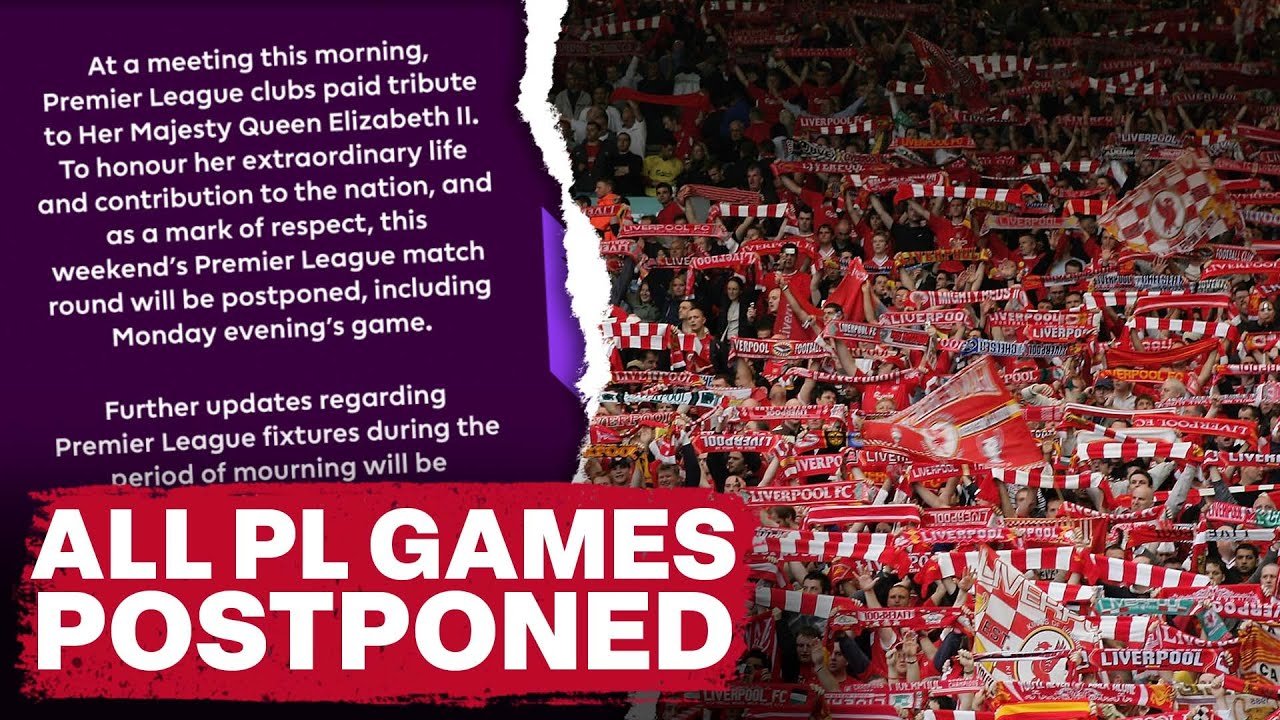
Premier League games are postponed primarily due to severe weather conditions, significant stadium safety concerns, or a high number of player unavailability caused by illness or other extraordinary circumstances.
Have you ever eagerly anticipated a weekend match, only to find out it’s been called off? It’s frustrating, right? You might be wondering why are premier league games postponed? This happens for a few specific reasons.
Sometimes, heavy snow, torrential rain, or even strong winds can make playing conditions dangerous or unfeasible, requiring a postponement. Also, if a stadium has safety issues or major damage, matches get delayed.
Finally, and increasingly, a severe illness outbreak within a team can mean that too many players are unavailable to field a proper team. That’s why games sometimes get pushed back too.

Why Are Premier League Games Postponed?
Ever wondered why sometimes you get all excited for a Premier League match, only to find out it’s been called off? It can be really frustrating! There are actually a bunch of reasons why these big games get postponed. It’s not just because the players are feeling lazy; there are some serious situations that can cause a match to be rescheduled. Let’s dive into the most common reasons behind these Premier League postponements.
Weather Woes: When Mother Nature Intervenes
One of the most common reasons for a Premier League game to be postponed is bad weather. We’re not just talking about a bit of rain; we mean really severe conditions that make it unsafe to play football. Let’s break down some specific weather problems that can lead to postponements:
Heavy Snow and Ice
Imagine trying to run and kick a ball on a field covered in thick snow or slippery ice. It’s not just difficult; it’s downright dangerous! Players could easily slip and hurt themselves, and the ball wouldn’t move properly. That’s why heavy snowfall and icy conditions are big reasons for games being called off.
Waterlogged Pitches
Sometimes, the rain comes down in buckets, and the pitch just can’t handle it. When the ground becomes completely waterlogged, it’s impossible to play a proper game of football. The ball won’t bounce correctly, players will struggle to run, and again, it’s simply too dangerous to continue. We call this a waterlogged pitch, and it’s a frequent reason for postponements.
Strong Winds
Extreme winds might not seem like a major problem, but they can seriously impact a football match. A powerful gust could make the ball change direction unpredictably, or even worse, cause danger to the players on the pitch, also for fans in the stands. If the wind is too strong, officials will often postpone the game to ensure everyone’s safety.
Player Problems: Illnesses and Injuries
Sometimes, the issue isn’t with the weather, but with the players themselves. If a team has too many players out for various reasons, they might not be able to field a team. Here are the main health-related factors leading to postponement:
Widespread Illness or Outbreak
If a team experiences an outbreak of an infectious illness like flu or COVID, it can make it hard for them to field a full squad. The league wants to protect the health of all players and staff, and avoid the risk of further spreading any diseases. So, if a lot of players on the same team become sick at the same time, the game will likely be postponed. It’s a matter of safety and fairness.
Serious Injuries
While injuries are a common part of football, a high number of injuries in one team, particularly to key players, can also lead to a postponement, especially if it affects a team’s ability to compete properly. If a team finds themselves with too many players out, it may be difficult to play a fair match. For this reason, the league allows for postponements in situations of a severe injury crisis.
It’s important to note that there are rules in place for how many players must be unavailable for a postponement to be granted. A single or small number of injuries won’t be enough to stop the game. However, it’s clear that player welfare is very important to the Premier League.
Stadium Issues: Beyond the Field
The issues are not always limited to weather and player problems. Sometimes, the stadium itself may have issues that render it unsuitable for a match. Let’s look into some of these:
Safety Concerns
Safety is the number one concern for all involved. If there’s a structural problem with the stadium, or some issue that compromises safety before, during, or after the game, then the game would be postponed until they fix the problem. Safety of players and fans is of utmost priority for the authorities, and no risk is taken.
Pitch Problems
Sometimes the issue is not that the pitch is wet or frozen, but that the surface itself is damaged or in a terrible condition. If, after an event, concert, or anything else the playing surface is unsafe or unplayable, then it wouldn’t be suitable to have a match played on it. In this type of scenario the games could be moved to another venue, but if that’s not possible, then games will have to be postponed.
Stadium Maintenance Issues
Sometimes unexpected issues arise at the stadiums. These could be problems with the lighting, the floodlights not functioning, or plumbing issues. These kinds of problems may seem small, but they need to be fixed before any games can be played.
Unexpected Events: When Things Get Unusual
There are some uncommon but still possible reasons why a Premier League match might be called off. These are usually things that are unpredictable and can affect a lot of things at the same time.
National Emergencies or Security Issues
In times of national crises or major security threats, such as terrorist events or significant civil unrest, Premier League games will be called off. These situations put public safety first. The resources used for games could be needed elsewhere. So in times of national emergency, the games will have to take a backseat.
Travel Issues
If travel becomes exceptionally difficult due to severe weather conditions, for instance, heavy snowstorms blocking roads or public transport disruptions, it can lead to a postponement. The need to guarantee that all the staff, players, and officials make it to the stadium on time is of paramount importance. If the travel is too unsafe or difficult, then the match will be postponed. This can also apply if one or both of the teams are stuck because of travel issues.
How Postponements Work: The Process
So, who makes the final decision about postponing a match? And what happens next? Here’s how the process generally unfolds:
Assessing the Situation
When a problem arises, whether it’s related to the weather, player issues or some other unusual situation, the Premier League gets involved with the clubs. They carefully assess the situation to figure out if a game should be postponed. They look at all the facts and see if it will be safe and fair to play the game.
The Decision
The ultimate decision is made by the Premier League board who listen to any information from clubs, police, and other relevant authorities. They consider all the evidence before reaching a final decision on whether to postpone a game or not.
Re-Scheduling
Once a game is postponed, the Premier League and the clubs work together to find a new date for the match. This can sometimes be tricky, as there are so many games already scheduled throughout the season. They try to find a date that suits both teams and does not cause further scheduling problems. This is not an easy task given how busy the football calendar is.
Postponed Premier League games are a fact of football, and while frustrating, they do ensure the safety and well-being of everyone involved. By being aware of all the possible reasons for postponements, fans are better prepared for the eventualities that may arise.
Key Takeaways:
- Weather events such as snow, ice, heavy rain and strong winds can make playing conditions unsafe and cause postponements.
- Illness and injuries can reduce the players available for a team and, in severe cases, lead to a postponement.
- Stadiums issues, such as structural or pitch problems, can also make it unsafe to host a game.
- Rare events such as national emergencies or travel issues, can also lead to postponements.
- The Premier League works closely with clubs, local authorities, and other necessary bodies when deciding to postpone a game.
Safety meeting planned to confirm if Liverpool vs Man Utd can go ahead after heavy snow
Final Thoughts
Premier League games are postponed primarily due to factors impacting player availability. Severe weather conditions, like heavy snow or flooding, can make playing conditions unsafe. Such situations present a real challenge for the fixture schedule.
Illness and injuries among players, including widespread outbreaks, also cause postponements. Clubs may not have enough fit players, which makes it impossible to field a competitive team.
Ultimately, the priority is player safety and fair competition; therefore, why are premier league games postponed primarily revolves around these core issues. These factors must be considered to uphold the integrity of the league.

