
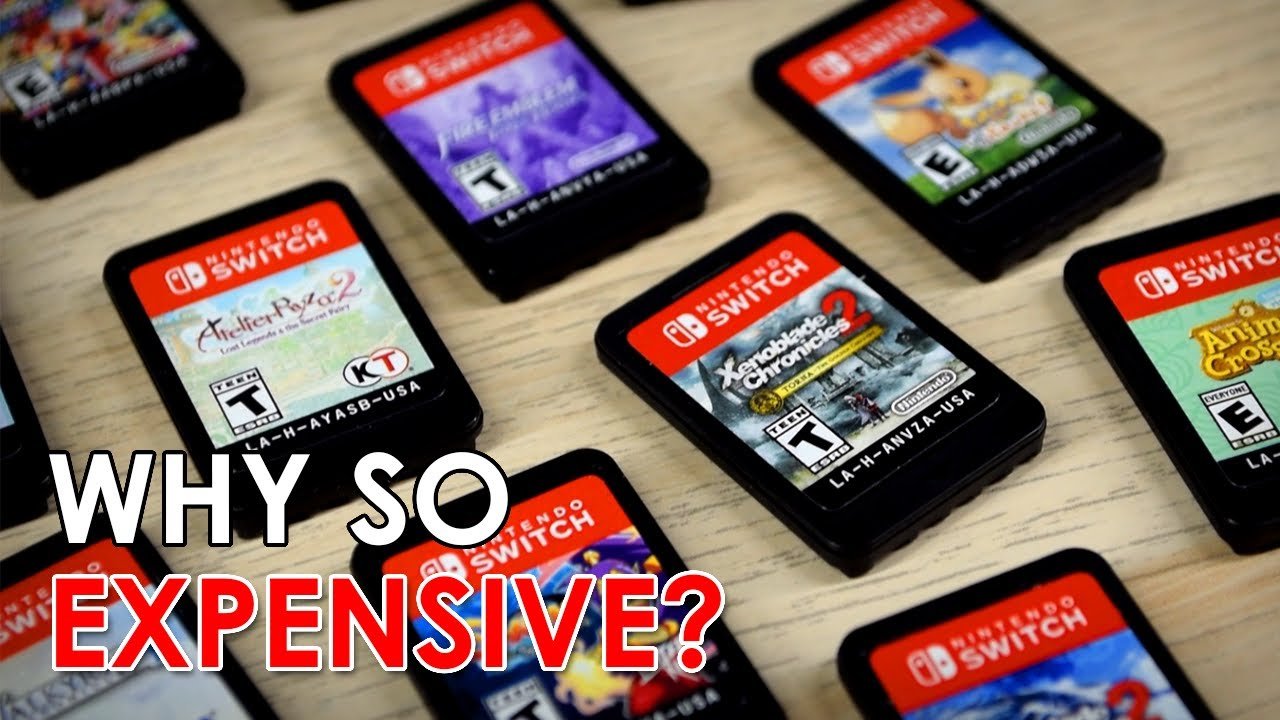
Nintendo maintains higher prices for Switch games due to a combination of factors, including strong brand loyalty, a focus on first-party titles, and a desire to retain value.
Ever wondered why your wallet cries a little every time you buy a new game for your Nintendo Switch? The question of why are switch games so expensive is common among players. Nintendo’s pricing strategy differs from other consoles. This contributes to the high cost you observe, making a new game purchase a significant investment.

Why Are Switch Games So Expensive?
Have you ever looked at the price tag of a new Nintendo Switch game and thought, “Wow, that’s a lot!”? You’re not alone! Many gamers wonder why Switch games often seem more expensive than games on other consoles. There’s no single reason, but rather a mix of factors that contribute to these higher prices. Let’s dive in and explore these reasons together.
The Nintendo Difference: First-Party Power
One of the biggest reasons for higher prices lies with Nintendo themselves. Nintendo makes what we call “first-party” games. These are games created and published by Nintendo, like the very popular The Legend of Zelda series, the Super Mario games, and Animal Crossing. Because Nintendo controls the whole process, from making the game to selling it, they can set the price. These games are known for their high quality and strong fan base, giving Nintendo the ability to charge a premium. It’s like buying a special toy from the person who invented it; it often costs more.
The Magic of Nintendo’s Intellectual Properties (IPs)
Nintendo’s first party titles have a special kind of magic. These games are often built around beloved characters and worlds that have been with us for decades. This long-term connection means that players are willing to pay more for a new adventure with Mario, Link, or Pikachu. Think about how excited people get when a new Zelda game is announced – this excitement drives high demand and helps keep prices up.
- Strong Brands: Characters like Mario, Link, and Pokémon are instantly recognizable.
- Nostalgia: Many players grew up with these games, creating an emotional connection.
- High Expectations: Players expect high-quality gameplay and stories from these games.
The Cartridge Factor: Why Physical Games Cost More
Unlike some other consoles that mostly use discs, Nintendo Switch games come on small game cards, also known as cartridges. These tiny cards have a special kind of memory chip inside that stores the whole game. They’re more expensive to produce than regular discs. This added cost of making the game card is passed on to the customer, making physical copies of Switch games pricier. It’s similar to why a flash drive costs more than a CD.
Manufacturing and Materials
Let’s think about what goes into making a game card. It’s not just a simple plastic piece. The game data needs to be written onto the memory chip, and this needs special equipment and processes. The outer case and label also require manufacturing. All of these little steps add to the overall cost. Here’s a simplified look at some of these factors:
- Chip Production: Memory chips are complicated and require advanced manufacturing.
- Assembly: The chip and casing must be carefully put together.
- Packaging: The box, inserts, and other materials also contribute to the cost.
The “Nintendo Tax”: Perceived Value and Brand Loyalty
There’s also a concept called the “Nintendo Tax,” which isn’t a real tax but rather a way to describe how much people are willing to pay for Nintendo games. Because Nintendo has a reputation for fun, family-friendly, and often unique games, people are often willing to pay higher prices compared to other consoles. This loyalty to Nintendo’s brand also helps maintain prices. Many people also consider Nintendo first-party games to be investments, given their high replay value. This encourages them to pay full price when games are released. It’s like knowing you are getting a quality product.
Demand and Supply
High demand for popular titles plays a big role in keeping prices high. When lots of people want the same game, Nintendo doesn’t need to lower prices to sell copies. When Nintendo releases a popular title, the demand often outstrips the supply, further driving up costs, especially on the secondhand market. It’s basic economics: high demand plus low supply leads to higher prices.
Limited Sales and the Longevity of Nintendo Games
Unlike many games on other platforms, Nintendo games do not usually experience big price drops for extended periods of time. Nintendo games tend to sell well for a longer period, and Nintendo typically does not lower prices as aggressively as other companies might. This policy is influenced by their perception of their games’ value. They often retain their value even years after they were released, because their core gameplay mechanics and art styles age well. This difference in how Nintendo views the longevity of its games versus how some other companies view their games contributes to the price difference.
A Focus on Quality Over Quantity
Nintendo does not usually release games as frequently as other companies. Instead, they focus on making a small number of games to high standards of quality. This focus means they can take their time to develop more polished and enjoyable games. Because the number of games is smaller, Nintendo might feel less pressure to drop prices.
- Development Time: Nintendo often spends a lot of time on each game, perfecting it.
- Quality Assurance: They focus heavily on making sure each game is polished and bug-free.
- Less Pressure to Lower Prices: This is because of the perceived value and the small number of titles released per year.
The Digital Download Debate: Are Digital Games Cheaper?
You might wonder, “Okay, but what about buying the game digitally from the Nintendo eShop? Are those cheaper?” While digital versions bypass the physical costs of cartridges, they often aren’t significantly cheaper and may sometimes even be the same price as physical games when they are released. This is because Nintendo still controls the pricing and wants to keep the value consistent between the physical and digital versions.
Convenience Over Savings
Digital downloads have the advantage of being readily available and convenient. You can purchase and play a game without having to go to a store or wait for shipping. However, the convenience doesn’t usually translate to a lower cost for these games. Nintendo might also want to avoid making digital versions significantly cheaper to avoid affecting the sales of the physical copies of its games.
- Instant Access: No waiting for delivery or trips to a store.
- No Physical Media: Less clutter and no need to keep track of game cards.
- Pricing Consistency: Maintaining equal pricing to protect physical game sales.
Regional Pricing Differences
You may also notice that the price of a Nintendo Switch game can vary slightly depending on where you live. Regional pricing differences are caused by many different factors, including different taxes, currency exchange rates, and import costs. What a game costs in the United States might be different in Europe or Japan, because of these additional economic and logistic factors.
Import Fees and Distribution Costs
Shipping and distributing game cards to different parts of the world can also add to the cost. Games produced in one country need to be shipped to other countries which means, extra costs like duties and import fees will be incurred. Each country will have different import tax and custom fees which could make a difference in the end cost.
- Shipping Fees: Costs to transport games internationally.
- Import Taxes: Duties and taxes applied by each country.
- Currency Exchange Rates: Fluctuations in exchange rates can change prices.
The Resale Market: Why Used Games Aren’t Always a Bargain
When looking for cheaper options, buying used games can seem like a good choice, but used Switch games do not always drop much in price. Because of the sustained demand and because the game cards are more resilient and long-lasting, used games can still be expensive. The resale market is also affected by the overall perceived value of Nintendo games and the lack of big price drops for most of their titles.
Factors Influencing Used Game Prices
Several factors influence how used game prices are determined: popularity of the game, number of used copies available, condition of the game and the physical condition of the game cards. A popular game with many new buyers could translate into a higher price for used copies, due to their relative scarcity and continuing demand. Let’s look at some of these factors:
- Demand: The more popular the game is, the less its used price goes down.
- Scarcity: If there are only a few used copies available, the price could be higher.
- Condition: A game in great shape might cost more than a scratched and worn one.
Looking Ahead: Will Prices Ever Go Down?
The price of Switch games can be difficult to predict. While some older games might eventually see price drops, Nintendo tends to stick to its pricing strategies, particularly for its flagship games. It’s likely that first-party Nintendo titles will maintain relatively high prices due to the reasons we’ve discussed, including their strong IPs, the cartridge format, and the ‘Nintendo Tax.’ However, keep an eye on sales and discounts, and consider buying used games if you do not mind them. It is also important to remember that quality, fun, and long lasting entertainment do come at a cost. It is ultimately up to you to decide if the value you get is worth the price you pay.
Third-party titles might see larger price drops sooner. Digital sales, while not always much cheaper initially, might offer better value in the long run, especially if you keep an eye out for discounts. The Nintendo Switch’s popularity also means that prices are likely to remain relatively stable for the foreseeable future. It is up to each individual gamer to decide what that is worth to them.
So, while Switch games can be pricey, understanding the reasons behind the costs helps to make better and more informed purchase decisions. Next time you look at the price of a Nintendo game, you’ll have a clearer picture of why it costs what it does.
Why Are Nintendo Switch Games Expensive?
Final Thoughts
Switch games maintain higher prices due to Nintendo’s strong brand and limited sales. Physical cartridges also have production costs. Digital downloads don’t significantly reduce prices.
Demand remains high, letting Nintendo control prices. They don’t often discount their popular titles. This contributes to the discussion of why are switch games so expensive.
The closed ecosystem and first party game prices all influence the cost.

