
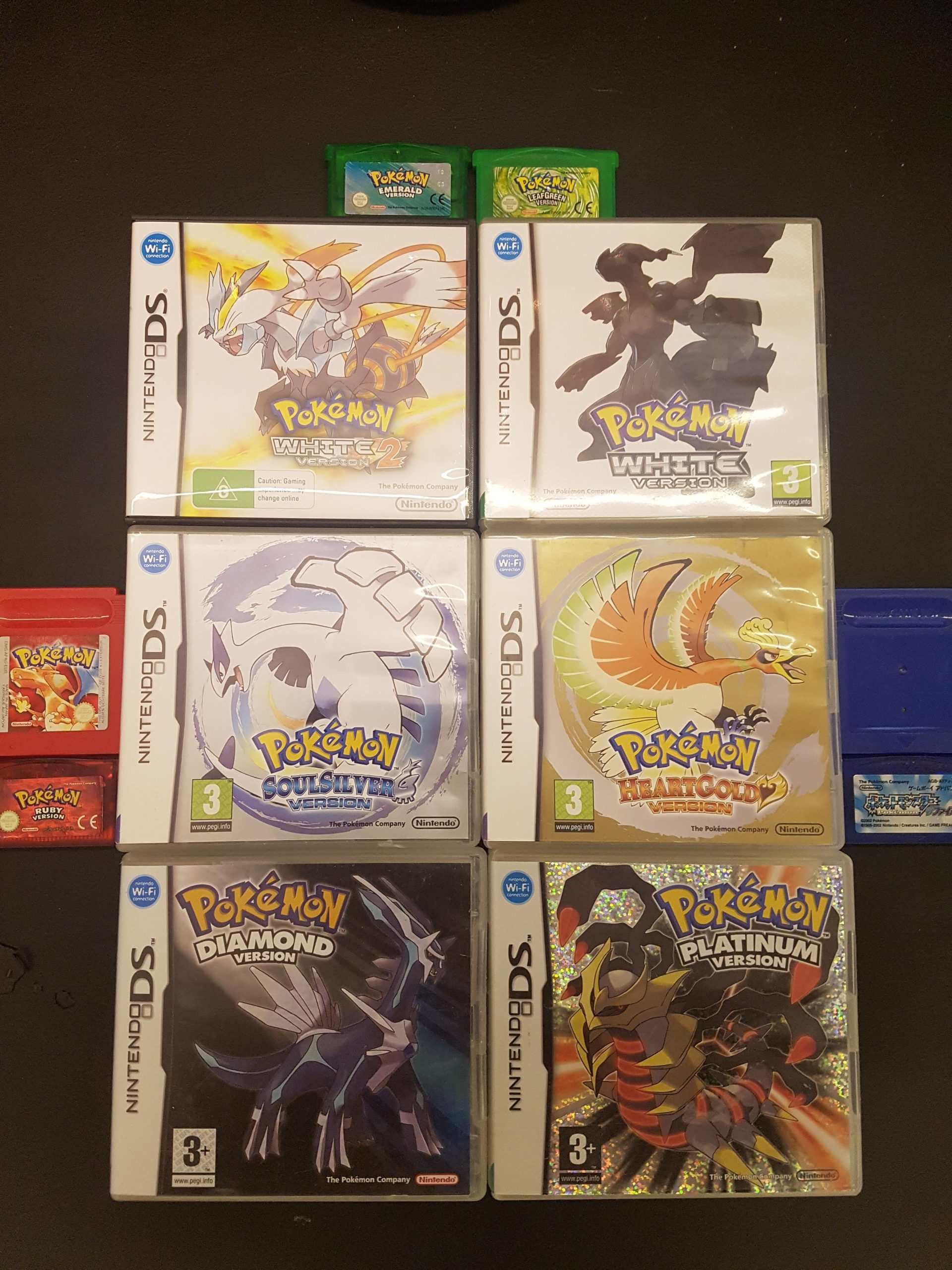
The high price of old Pokemon games is primarily due to their scarcity combined with strong nostalgic demand from collectors and fans.
Ever wondered why a cartridge from your childhood might now cost a small fortune? The question, “why are the old pokemon games so expensive,” pops up often among gamers. It’s not just a random price hike; multiple factors contribute to this phenomenon. These games hold a special place in many hearts, fueling a strong desire to own them again.
The limited number of original cartridges left in good condition further pushes prices up. This combination of high demand and dwindling supply directly impacts the market value of these classic Pokemon titles.

Why Are the Old Pokemon Games So Expensive?
Have you ever looked at the price of an old Pokémon game and thought, “Whoa, that costs more than a brand new game?” You’re not alone! Many people wonder why these classic games, some of which are older than many players, can fetch such high prices. It’s not just nostalgia; there’s a whole bunch of factors that drive up the cost of those beloved cartridges and cases. Let’s dive in and explore the different reasons behind these hefty price tags.
The Rarity Factor: Fewer Copies, Higher Demand
One of the biggest reasons for the high prices is simple economics: supply and demand. Think of it like a treasure hunt. The older Pokémon games weren’t made forever. The production of these games, like Pokémon Red, Blue, and Yellow for the original Game Boy, eventually stopped when newer generations came out. This means there are only a limited number of these games in the world. Over time, some of those cartridges get lost, damaged, or simply stop working. Fewer copies mean that the ones that still exist become more valuable, especially if they are in good condition. The principle is easy: if many people want something and there aren’t many available, the price goes up.
Print Runs and Limited Editions
It’s not just about how old a game is; the number of copies Nintendo made in the first place also plays a big role. Some Pokémon games had smaller initial print runs, meaning they were never as widely available. Games that have limited editions, like special bundles or unique packaging variations, can be even more expensive. These limited editions are usually snapped up by collectors who want to own every piece of Pokémon history, further driving up their cost on the secondary market.
The Condition Conundrum
The physical condition of the game is extremely important. Imagine finding a dusty old Pokémon Yellow cartridge that looks like it went through a washing machine. It probably won’t sell for much. A game with a pristine box, manual, and cartridge, however, can command a significantly higher price. Collectors pay close attention to things like:
- The condition of the box: Is it torn, crushed, or faded?
- The state of the game cartridge: Are the labels intact and clear? Does it have any scratches or discoloration?
- The presence of the manual: Is it included, and is it in good condition?
- Any included inserts or promotional materials.
Sealed copies of older Pokémon games are like gold dust to many collectors because they are the most pristine versions possible. A sealed Pokémon game, which has never been opened, will often be worth much more than a used one, even if the used copy is still in great condition.
Nostalgia: The Power of Memories
Beyond simple supply and demand, nostalgia plays a massive part in the price of old Pokémon games. For many, these games are not just pieces of plastic; they are portals to childhood memories. They remind us of a simpler time, hours spent exploring the Kanto or Johto region, and that feeling of catching that elusive Pokémon. This emotional connection can make people more willing to pay a premium for these games.
The Original Pokémon Experience
The older Pokémon games were a first taste of the Pokémon world for many players. They had unique mechanics, glitches, and features that aren’t found in newer titles. For example, the original games had limited color palettes, simpler graphics, and very different battling systems. This simplicity is appealing to those who grew up with these games and some prefer that classic style. Playing these older games can be a form of time travel, letting people relive these cherished experiences.
The Collector’s Mentality
A lot of people who grew up playing these games now have more money and want to revisit their childhood. This leads to a large collector’s market for old Pokémon games. This market includes those who simply want to complete their childhood collections, people who want to experience the game the way it was originally intended, and serious collectors who look at the games as an investment. The more people who collect, the more demand for the games rises and the higher the price climbs.
The Impact of the Pokémon Franchise’s Popularity
Pokémon is a global phenomenon and has been for decades. Its enduring popularity has undoubtedly contributed to the high cost of its retro games. The continued release of new Pokémon games, shows, and merchandise has created a constant stream of new and returning fans, always generating more interest in the older games. It also helps that Pokémon is a franchise enjoyed by people of all ages which leads to a large market demand for the classic games.
The Evergreen Brand
Unlike some games that fade in popularity, Pokémon has proven to have staying power. This longevity keeps the older games relevant. The games are not just seen as a relic from the past, but as a vital part of Pokémon history. This means they won’t be easily forgotten, and people will continue to want them. The consistent popularity of the Pokémon franchise keeps these classic games in demand.
The Community Factor
The large Pokémon community helps spread the word about these older games. Collectors, streamers, and YouTubers make sure these games stay in the public eye. When a famous YouTuber plays through Pokémon Red, for example, it can send a surge of new and returning fans searching to play it for themselves. All of this online presence can have an impact on how much the games cost, as the demand goes up.
Fake Games and Market Manipulation
Unfortunately, a high value market can attract the wrong kind of attention. There’s always a risk of buying a fake copy of a game, especially online. This can be especially true for highly sought-after games like Pokémon Crystal or FireRed. Counterfeit games look very similar to the real thing, but they are usually poorly made and don’t hold the same value. This is why you need to be careful where you purchase your classic Pokémon games.
Buyer Beware: How to Spot a Fake
Being able to tell a real Pokémon game from a fake one is crucial if you want to avoid getting ripped off. Here are some things to look out for:
- Label Quality: Look at the label on the cartridge. If the image is blurry or faded, it might be a fake. Real cartridges have clear and crisp labels.
- Cartridge Plastic: The plastic of a real cartridge feels solid. A fake one might feel cheap or brittle.
- Screw Type: Game Boy and Game Boy Color games have specific screw types. Fake cartridges might use different screws.
- Text Font and Size: Check the font and size of the text on the cartridge and label. A slight change could be a red flag.
- Price Too Good to Be True: Be suspicious of games that are priced extremely low. If it seems too good to be true, it probably is.
Also, it is always best practice to buy from a trusted seller who has many positive reviews. If you buy a game from a random seller online, you risk being scammed.
Market Speculation and Price Inflation
Sometimes, people buy up large quantities of popular retro games hoping to sell them later for a profit. This practice, called market speculation, can cause prices to inflate, as the supply of the games available becomes more limited. While it is not necessarily wrong, it can artificially increase the price of the game more than it normally would, making it more difficult for others to purchase them. This can make it harder for average people to get their hands on the games they want.
A Look at Specific Games and Their High Prices
Some Pokémon games are much more expensive than others. A lot of this has to do with their rarity, their popularity, and their unique features.
The Gen 1 Trio: Red, Blue, and Yellow
These original Game Boy games hold a special place in many hearts, which is why they are often expensive. Pokémon Red and Blue are popular because they started it all and were the first way many people experienced the Pokémon world. Pokémon Yellow is also often highly priced due to its limited-edition Pikachu version that lets it walk along with the player. Their age, nostalgia factor, and popularity makes these games in high demand and causes them to be expensive.
The Second Generation: Gold, Silver, and Crystal
These Game Boy Color games are also quite expensive, especially Pokémon Crystal. Crystal is one of the most popular and sought-after Pokémon games because it expanded on the gameplay from Gold and Silver with features like animated Pokémon sprites and story changes. The limited number of original cartridges and high fan demand mean they often cost quite a bit of money.
The Game Boy Advance Era: Ruby, Sapphire, Emerald, FireRed, LeafGreen
While the prices of the Game Boy Advance Pokémon games may not be as high as the earlier titles, they can still be quite expensive, especially for boxed copies. Pokémon Emerald is generally the most expensive of this generation due to its expanded story and end-game content. LeafGreen and FireRed are also desirable because they are remakes of the original games. The prices can vary greatly depending on the condition of the game.
Table: Average Prices of Some Popular Pokémon Games (Used, Loose Cartridge)
| Game | Average Price | Console |
|---|---|---|
| Pokémon Red | $50-$80 | Game Boy |
| Pokémon Blue | $50-$80 | Game Boy |
| Pokémon Yellow | $60-$90 | Game Boy |
| Pokémon Gold | $70-$100 | Game Boy Color |
| Pokémon Silver | $70-$100 | Game Boy Color |
| Pokémon Crystal | $150-$250 | Game Boy Color |
| Pokémon Ruby | $50-$70 | Game Boy Advance |
| Pokémon Sapphire | $50-$70 | Game Boy Advance |
| Pokémon Emerald | $150-$200 | Game Boy Advance |
| Pokémon FireRed | $70-$100 | Game Boy Advance |
| Pokémon LeafGreen | $70-$100 | Game Boy Advance |
Note: These are just average prices and can vary greatly depending on the seller, the condition, and if it comes with a box and manual.
Ultimately, the high cost of old Pokémon games is a mix of limited supply, strong demand, a powerful sense of nostalgia, the lasting popularity of the franchise, and sometimes, market speculation. It’s a fascinating look into how the value of something is determined by more than just what it is, but what it means to people.
Why Are Pokemon Games So Expensive?
Final Thoughts
Nostalgia, limited production runs, and the high demand from collectors drive prices up significantly. These factors combine to create a sellers market. Sealed copies, especially, command steep prices. Why are the old pokemon games so expensive? It is simple economics at play: scarcity meets intense desire. The games remain valuable pieces of gaming history.

