
Snapchat removed games primarily to refocus on its core communication and augmented reality features, aiming for a simpler user experience.
Remember those fun in-app games on Snapchat? Many users are left wondering: why did Snapchat get rid of games? It felt like a quirky, added bonus to the social platform.
It seems the company decided to prioritize its main strengths, like messaging and augmented reality lenses. Snapchat chose to double down on what makes it unique.
This move suggests a strategic shift toward a more focused app.

Why Did Snapchat Get Rid of Games?
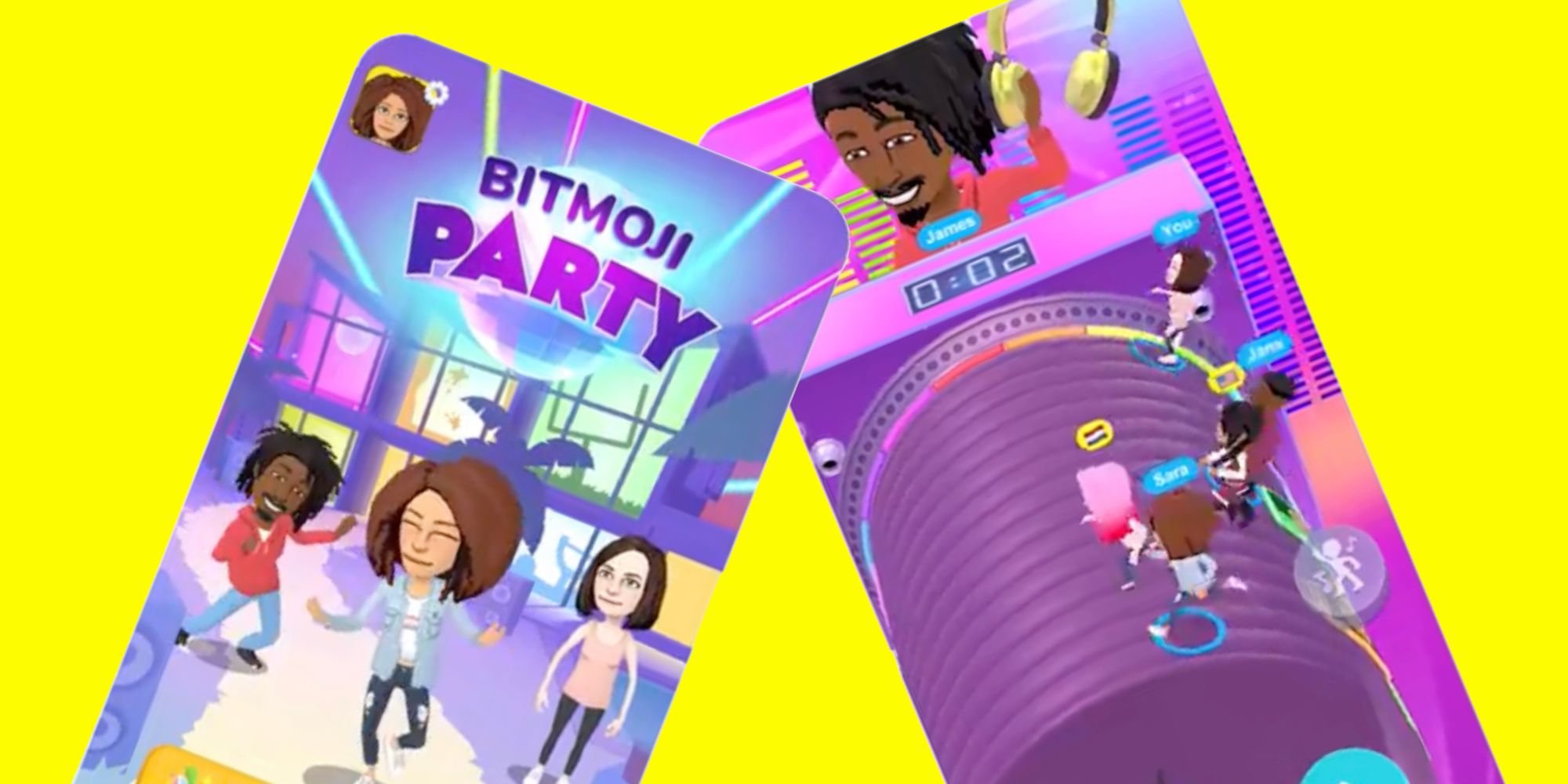
Snapchat used to be a fun place where you could chat with friends and play cool games. Remember Bitmoji Party? Or those quick little games you could launch right in your chat window? They were a great way to pass the time and have some laughs with your buddies. But then, one day, the games just kind of… disappeared. So, what happened? Why did Snapchat decide to say goodbye to those mini-game adventures? Let’s dive into the reasons and explore what led to this change.
The Shifting Sands of Focus: From Games to Engagement
At its core, Snapchat is a communication app. It’s all about sending quick snaps, having chats, and sharing your day-to-day moments. While games were a fun addition, they weren’t really the heart of what Snapchat was meant to be. The company realized that if they wanted to become even better at their primary job, which is communication, they needed to put more effort into that aspect of their app. It’s like a restaurant that makes amazing burgers but realizes they want to be known for their incredible salads instead. They have to put more attention on the salads.
Snapchat saw that some users were spending more time playing games than actually connecting with friends. This was a sign that the app’s focus was getting pulled in different directions. The goal of Snapchat is to foster real friendships and interactions. If games were taking over, it was a detour from that main goal.
The Quest for User Engagement
Snapchat wants people to use the app to stay connected with their friends. They want users to open the app and quickly share moments, not spend hours playing games. Think of it this way, if a kid’s goal is to make new friends at a playground, spending all their time on the swings might not be the best way to do that. Snapchat wanted people to interact with each other and the content being shared, rather than getting lost in the game world. It was about increasing the real user engagement that matters for a messaging app. Snapchat wants you to share a picture with your best friend, not beat them at a mini golf game.
- Focus on messaging, sharing and connecting with friends.
- Prioritize user activities that help increase social interactions.
- Promote real-time sharing rather than game-related engagement.
The Problem of Underutilized Games
While many people enjoyed the games, a large number of users didn’t actually play them that often. They were present in the app, but many people simply didn’t click on them. This meant that Snapchat had to keep these games updated, fixed, and running smoothly for relatively few people. This is like having a big swimming pool that only a few people use – it takes a lot of money and time to keep it clean and running.
The Cost of Maintenance
Developing and maintaining games is hard work. It requires a team of developers, designers, and testers. It also means paying for the space they take up on your phone. Snapchat has to pay for server space to keep the games running. If a lot of people aren’t playing the games, then all this time and money isn’t really being spent wisely. It makes more sense for them to focus that energy and money on things people use more often, like filters, lenses, and new ways to chat.
Here’s a small table showing some of the costs:
| Type of Cost | Example |
|---|---|
| Development | Hiring game programmers and artists |
| Maintenance | Server upkeep and game updates |
| Storage | Keeping the games on servers and users’ phones |
These expenses add up quickly. If a particular function is not being fully utilized, it creates a good argument to reallocate those resources.
Gameplay vs. Core Functionality
The main reason people use Snapchat is to send pictures, videos, and text messages that disappear. Games, while fun, were sort of a side thing. They didn’t really fit with Snapchat’s core idea of communication. Snapchat realized that if they wanted to be the best at disappearing messages and fun filters, they had to put all their effort there. It’s like trying to be the best pizza maker and also the best baker at the same time. You might do okay at both, but you can be amazing at pizza if you put all your effort there.
- Snapchat’s focus is primarily on visual communication
- Games represent a secondary feature, less linked to primary functionality
- Resources needed for games could be redirected to improve the core experience.
Competition and Market Trends
The market for mobile games is very competitive. There are so many different games available on app stores. Snapchat games had to compete with super popular games on both the Apple App Store and the Google Play Store. If you want to play a game, you can find some that are built just for that, and are much bigger and better. These dedicated gaming apps often have way more features, and deeper gameplay. Snapchat just couldn’t compete with apps that were completely focused on games, so trying to keep up was a losing battle.
The Rise of Dedicated Gaming Platforms
Apps like Candy Crush, Fortnite, and Among Us, are super popular. These games are built specifically for people who want to play games. They offer way more exciting gameplay, better graphics, and much more content. Snapchat’s games were simpler and not really meant to be played for hours at a time. It’s like comparing a small neighborhood park to a huge amusement park – you know where the most exciting rides will be. Trying to match that level of quality was not a good use of Snapchat’s resources.
Adapting to User Preferences
Snapchat is always trying to figure out what their users want. They pay attention to how people use the app, what parts they enjoy, and what parts they don’t. By taking out games, they were listening to how people were actually using the app. It was clear that most people were using Snapchat to talk to friends and share pictures and videos, not play games. It’s like when a toy company stops making a toy that people don’t buy anymore, and focuses on making more of the toys that everyone loves. Snapchat is just doing the same thing, but with the app features.
The Strategic Shift: Focus on Core Features
Instead of keeping up with making games, Snapchat has chosen to focus on improving the things people use the most. They have focused on things like making better lenses, improving the chat function, and introducing new ways to share content. This means that they put more money and time into making the parts of the app you use every day, like the camera, and stories, even better.
Investing in Communication Tools
Snapchat has been adding new communication tools like video calls, group chats, and interactive lenses. They want to make it easier and more fun to stay in touch with your friends. By getting rid of the games, they had more time and energy to put into developing these features. This is like a builder who stops building birdhouses so he can focus on building even better houses. They focused on what they think matters most to their users.
- Prioritizing chat and video communication
- Developing new and innovative sharing tools
- Investing in features that support community interaction
Improving User Experience
Snapchat works on making the app fast, simple, and easy to use. Removing the games made the app a little less cluttered, and simpler to navigate. With fewer elements to load, Snapchat can also run more smoothly on different kinds of phones, which is very important for everyone. It’s like when a teacher clears the extra stuff off her desk so she can find things faster – Snapchat is making their app more efficient and focused.
The removal of games is not a sign that Snapchat is not changing. Snapchat just focused on what made it unique. The choice was to better serve a targeted niche of users rather than trying to appeal to everyone. Snapchat’s goal is to be a primary social communication app, focusing primarily on visual communication through photos and videos. By focusing on this aspect, Snapchat wants to ensure that they create the best possible experience for their user base.
Was it a Good Move?
While some people were sad to see the games go, it seems like Snapchat is focusing on the areas that matter most to their main purpose: messaging, communication, and social interaction. It’s a strategic move to make sure the app remains relevant and easy to use. By improving its core functionality, it is becoming more focused on what it is primarily designed for. The choice makes sense for Snapchat’s long term goals and allows it to better serve its users.
Are Snapchat Games Gone?
Final Thoughts
Snapchat removed games to refocus on core communication features. They likely saw low engagement with games compared to their main functions. This allowed them to dedicate resources effectively.
The decision reflects a shift in priorities. Why did Snapchat get rid of games? Because they chose to emphasize their primary goals. They aim for messaging and content sharing rather than gaming.

