
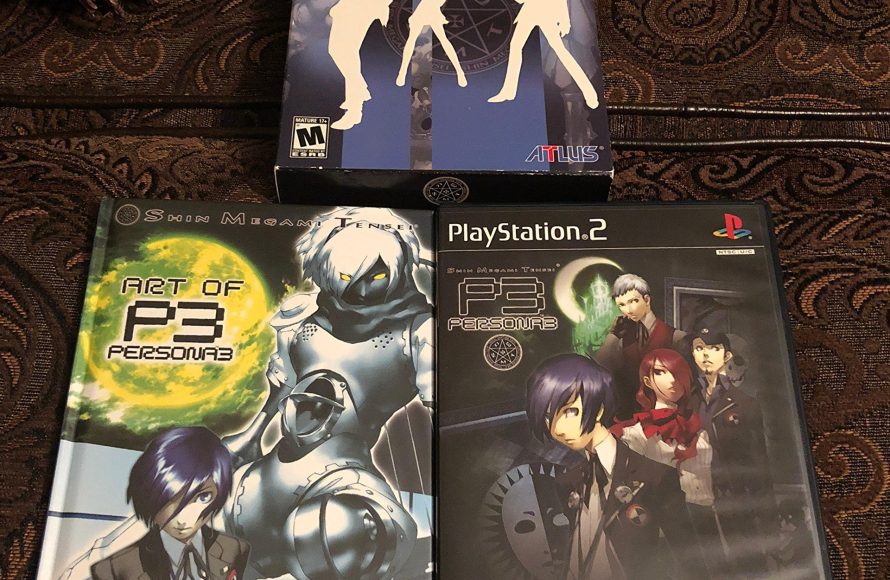
‘Shin’ was added to the title because it marked a significant reboot and departure from previous Megami Tensei games, signifying a “new” or “true” beginning for the series.
Have you ever wondered why they called the third megami tensei game shin? It’s a question many fans of the series have pondered, especially those familiar with the previous titles. This wasn’t just a random choice of words, but a deliberate decision.
The addition of “Shin” indicated a fresh start. The game aimed for a different feel and direction, moving away from the established conventions. This new name signaled a break from the past.

Why Did They Call the Third Megami Tensei Game ‘Shin’?
So, you’re curious about why the third main game in the Megami Tensei series got the
special name “Shin Megami Tensei,” right? It’s a great question! It’s not just a
number 3 slapped on the title. “Shin” isn’t just a random word they picked, it
actually means something important. Let’s dive into the reasons behind this cool
name and what makes it special for the series. We’ll explore the history of the
games, the core themes, and how “Shin” reflects a new era for Megami Tensei.
The Meaning of “Shin”
First things first, let’s talk about what “Shin” actually means. In Japanese, “Shin”
(真) translates to “true,” “real,” or “genuine.” It’s not just a random title; it
hints at a shift in the series. This wasn’t just another Megami Tensei game, it was
meant to be the true Megami Tensei experience. This is the primary reason why it
is called Shin Megami Tensei. The creators wanted to emphasize the game’s
authenticity and its core identity within the franchise. It’s a way of saying,
“This is the essence of what Megami Tensei is meant to be.”
This meaning has depth. It speaks to a desire to get back to the roots of what made
the series special. Sometimes sequels try to be too different, but “Shin” suggests a
commitment to the core experience. Think of it like a chef returning to their
favorite recipes, refining them to perfection, and presenting them as the true
expression of their cooking. It was a declaration that this game was the embodiment
of the series’ vision.
A Shift in Tone and Themes
The name “Shin” also signifies a significant shift in the tone and themes of the
series. While the earlier games were good, “Shin Megami Tensei” introduced a darker,
more mature, and morally ambiguous narrative.
Deeper Moral Dilemmas
The “Shin” games aren’t just about good guys versus bad guys. They dive deep into
complex choices, forcing players to grapple with difficult questions. Players are
constantly asked to choose between different ideologies and factions. These choices
have lasting impacts on the game world and the story itself. This focus on moral
dilemmas is a core part of the “Shin” experience, making it more than just a typical
RPG. It makes you think about the consequences of your decisions, adding an extra
layer of depth. It made the game feel real, like your actions truly mattered.
The End of the World
The “Shin Megami Tensei” games often deal with apocalyptic scenarios, pushing the
boundaries of the narratives. These are stories about the end of the world and
humanity’s struggle for survival, often in ways that challenge traditional fantasy
tropes. Players find themselves in worlds that are destroyed, transformed, and
overrun by demons, where the fate of the world rests in their hands.
- The destruction is not a singular event, but a constant struggle.
- There is a deep focus on the aftermath of the cataclysm.
- The games explore the psychological impacts on humanity when everything they know is destroyed.
Mature and Complex Narratives
The storylines in “Shin Megami Tensei” games are not always straightforward or easy to
digest. They often deal with complicated philosophical ideas, religious themes, and
the nature of good and evil. These elements are presented in a way that is both
thought-provoking and engaging. Unlike games with clear-cut heroes and villains, “Shin
Megami Tensei” forces you to question your own beliefs and assumptions.
Evolution of Gameplay
The “Shin” moniker also represents a shift in gameplay mechanics and systems. While
maintaining the core elements, this game introduced several advancements that defined
the series moving forward.
Press Turn System
One of the most important additions is the Press Turn battle system. This is a
strategic battle system that rewards players for exploiting enemy weaknesses. If you
hit an enemy with an attack they are weak against, you get an extra turn. If you
miss or hit an attack they are resistant to, you might lose turns. This added a new
layer of depth to battles. This system demands careful planning and analysis of your
enemies to avoid giving them an advantage.
Demon Negotiation
Another key feature of the “Shin” games is the demon negotiation system. Instead of
always fighting demons, you can talk to them. You can try to recruit them to join
your party, adding a social element to the game. However, these interactions can be
unpredictable. Demons have their own personalities and desires, making them
challenging to convince. This unique element adds a unique dynamic to the game.
- Demons can be bribed with items or gifts.
- Some demons can be reasoned with, requiring you to say the right things.
- Failing to do so correctly can lead to them attacking you.
Demon Fusion
Demon fusion remains a core mechanic, but it was refined and expanded in “Shin” games.
Players can combine different demons to create new, more powerful ones. This process
is not just about raw power. Players must take into consideration the skills of the
demons, their resistances, and vulnerabilities. This creates a system with lots of
strategic options.
A New Chapter for the Series
“Shin” was meant to mark the beginning of a new era for the Megami Tensei series. It
was a reset of sorts, taking the core ideas and bringing them into a new, more
mature light. The games built on the foundation, crafting an experience that was
both fresh and familiar. The shift from “Megami Tensei” to “Shin Megami Tensei” was
not just about adding a word, but about making an important statement about the
direction of the franchise.
Building on Legacy
While the “Shin” games did introduce changes, they did not forget the elements that
made the previous entries great. The demons, the magic system, the core elements of
the gameplay, everything was still rooted in the series’ identity. The “Shin”
moniker was meant to highlight these strengths. This allowed the series to evolve
while staying true to what fans loved about it.
Setting the Standard
The “Shin” games helped establish the standard for future games in the series. They
introduced elements that would become staples for the franchise and spin-offs. The
Press Turn system, the focus on moral choices, and the demon negotiation became
defining traits of what made “Shin Megami Tensei” so popular. Because of these
games, the series could branch out, with titles such as “Persona” and “Devil
Survivor.” These games are not “Shin Megami Tensei” but they all exist due to the
groundwork laid out by the “Shin” games.
The Impact of ‘Shin’
The “Shin” title isn’t just a branding decision; it represents a significant
turning point in the series history. The “Shin” games pushed the boundaries of what
RPG games could be, and their impact can still be felt today. It made people think
about the games in a new way.
Critical Acclaim
The “Shin Megami Tensei” games have received high praise from critics for their
mature storytelling, deep gameplay, and challenging battles. These games are often
considered among the best RPG games ever made. The “Shin” title signifies this
level of high quality and the effort made by the developers.
Lasting Legacy
The games continue to influence new games, inspiring both other developers and
creators. It showed people that RPG games can be more than just about fantasy
adventures. They can delve into complex issues and deliver a mature gaming
experience. The “Shin Megami Tensei” series will continue to inspire new games for
a long time.
Fan Favorite
The “Shin Megami Tensei” series has a dedicated fanbase, attracted to the mature,
complex and challenging gameplay. The “Shin” title is a mark of quality, and fans
trust that these games will deliver an experience that is both familiar and
innovative. They look forward to new “Shin” games because they know they will be
thought-provoking and fun.
So, that’s why they called the third game “Shin Megami Tensei.” It’s not just a
name, it’s a promise of a deep, mature, and truly amazing gaming experience. It
marks a true point for the series, and it’s why so many fans keep coming back to
play these games. It’s a title that means something.
Evolution of Shin Megami Tensei Games #shorts
Final Thoughts
The “Shin” in Shin Megami Tensei III signifies “True” or “New.” Atlus used this prefix to denote a soft reboot, differentiating it from earlier titles and signifying a fresh start for the series. Therefore, they called it Shin to indicate a significant change in direction.
This name change meant the third game was not a direct sequel. Shin Megami Tensei III instead presented a new narrative experience within the overall Megami Tensei framework. This answers the question: why did they call the third megami tensei game shin?

