
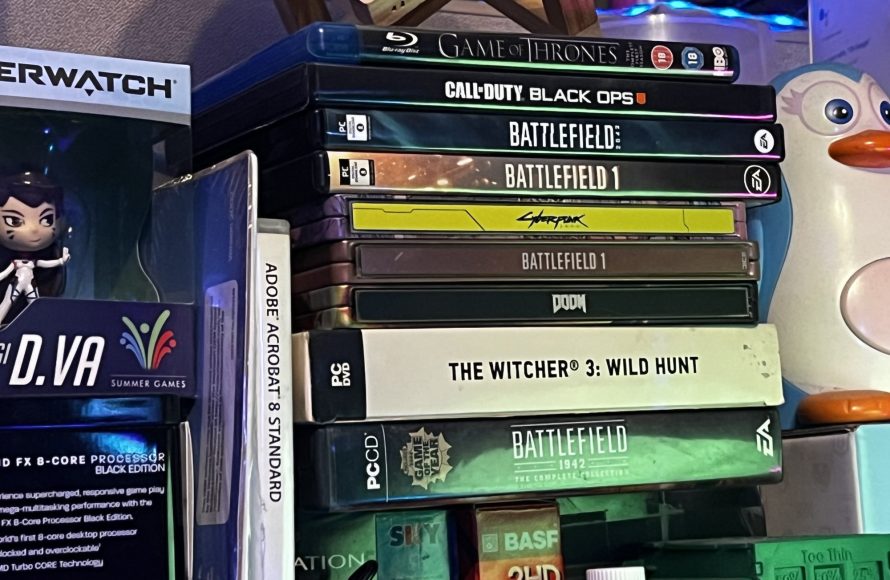
The shift to digital distribution, offering greater convenience and reduced costs, is why they stopped making physical PC games.
Remember those big, colorful boxes lining store shelves? Gone are the days of eagerly anticipating a trip to buy a new PC game on disc. We often wonder why did they stop making physical pc games. The digital download became the norm, shifting how we experience gaming.
This transition wasn’t abrupt, but a gradual change driven by factors like faster internet speeds and the rise of platforms such as Steam and GoG. It offered cost reduction for the manufacturers.

Why Did They Stop Making Physical PC Games?
Remember the days of excitedly unwrapping a brand new PC game, the satisfying clatter of the CD-ROM drive, and the smell of the freshly printed manual? It feels like a lifetime ago, doesn’t it? Now, most of us download our games directly. So, why did those physical copies disappear from store shelves? It’s not one single reason, but a combination of factors that led to the decline of physical PC games.
The Rise of Digital Distribution
One of the biggest reasons physical PC games became less common is the massive growth of digital distribution. Companies like Steam, GOG, and the Epic Games Store have made it incredibly easy to buy, download, and play games. This shift completely changed how we buy games. Let’s dive deeper into why digital stores became so popular:
Convenience is King
Think about it. Instead of going to a store, searching through shelves, and waiting in line, you can buy a game from the comfort of your own home, in your pajamas, any time you want! This level of convenience is hard to beat. With digital platforms, there is no waiting for delivery or risking damage to a disc, you buy, download, and play. Simple as that!
- Instant Access: No need to wait for shipping or drive to a store. Games are available to download almost instantly.
- 24/7 Availability: You can purchase and download games anytime, day or night. Stores are not closed on the internet!
- No physical Storage Needed: Digital games don’t take up shelf space. If you download it, you can play it.
Competitive Pricing and Sales
Digital stores frequently offer sales and discounts that physical retailers struggle to match. These platforms often run regular sales events, providing very attractive prices. This is great for gamers, as they can get a lot of game for less money. Digital distribution has reduced the costs associated with production, like the cost of manufacturing the physical disc, manual and case. This cost saving is passed down to the customer, making the games cheaper for the customer.
Lower Distribution Costs
For publishers, digital distribution greatly reduces costs. There’s no need to manufacture discs, print manuals, or ship boxes all over the world. This means more profit for the game makers and they get to keep all the money that they were paying to the middle man. This allows them to invest more in game development or offer better deals to consumers.
The Evolution of Technology
Technology changes quickly and that definitely impacted the world of physical PC games. Lets take a look at how technology played a part.
The Decline of Optical Drives
Modern laptops and even some desktop PCs often don’t have CD or DVD drives anymore. These optical drives are becoming less common which means a physical disc is no longer useful to a lot of users. Manufacturers are simply moving away from optical drives due to the popularity of USB drives, cloud storage, and other tech. The lack of optical drives made physical copies of PC games inconvenient for most users, even if they wanted to buy one.
Faster Internet Speeds
Broadband internet speeds have increased significantly over the years. This made downloading large game files much faster and more manageable. In the past, downloading a big game would have been impossible for many people because their internet speeds weren’t fast enough. Now, with fast internet, people can download a big game in a reasonable amount of time, making digital downloads more convenient.
Game Updates and Patches
Games often need updates and patches to fix bugs or add new features. For physical games, this could be a problem because they require the user to find the update online and manually install it. Digital platforms make this super simple, patches and updates are done automatically. This makes the game play experience much better, which is another reason why digital games became more popular.
The Shifting Consumer Behavior
How people buy games changed a lot over the years and it definitely affected physical copies. Let’s look at how these changes influenced the shift.
The Desire for Immediate Gratification
People like instant results. When they want a new game, they don’t want to wait to go to the store or wait for delivery. They want to buy it and start playing it now. Digital downloads satisfy this urge, making them more attractive to customers who want to play their new game right away.
The Rise of Online Communities
Many gamers enjoy playing games with friends, and they prefer to use online multiplayer. This has made digital games more convenient. Online platforms offer better social interaction. Digital platforms also help facilitate easier game sharing with friends and family who are also in digital space. The shift in preferences towards online games has further made the demand for physical copies low.
Environmental Concerns
The manufacture, packaging, and transport of physical game copies takes up resources. Many consumers are now more environmentally conscious. Digital downloads are seen as a greener alternative because they eliminate the need for physical manufacturing. This is a factor that many people take into consideration. Choosing a digital game is more environmentally responsible, in a way.
The Publishers’ Perspective
Game publishers also had their reasons for favoring digital distribution. Here’s how the change benefited them:
Reduced Production and Distribution Costs
As mentioned earlier, digital distribution eliminates the costs of manufacturing discs, printing manuals, and shipping boxes. These savings can be redirected to game development. These lower costs mean that publishers can sell the games for less, or make more money from each sale. It’s better for both the gamers and the publishers.
Better Control Over Sales and Pricing
Digital platforms allow publishers to have more control over sales and pricing. They can directly monitor sales data, adjust prices, and launch targeted promotions without relying on retail stores. They can also run sales whenever they want. This control makes it easier for publishers to manage revenue and generate profits.
Combating Piracy
While it hasn’t eliminated it completely, digital distribution made it more difficult to copy games illegally. Digital platforms use various anti-piracy measures to protect their games. This protection is much harder to do with physical copies. It is easier for publishers to protect their profits using digital distribution.
The Nostalgia Factor
Even with all of these factors, there is still a group of gamers who like physical copies. They like to collect the boxes, and they like having a physical reminder of their favorite games. Here are a few reasons why some people still care about physical copies:
The Joy of Collecting
Some people like to collect games. They like the art on the boxes, the manuals, and having a physical collection. These collectors often like the feeling of ownership and accomplishment of having a physical collection. Physical games can be seen as a piece of memorabilia.
The Feeling of Ownership
There’s something special about owning a physical copy of a game. It feels more like you own something tangible than downloading a file online. Some people like having a physical copy of something that they payed for. When a user buys a digital copy they are mostly buying a license to play. This license can be revoked from them, at any point, whereas physical games feel a bit different.
The Resale Value
Physical games can often be resold. If a person doesn’t like a game, they can sell it to someone else. With digital copies, once you buy it, you are stuck with it. Because you cannot sell digital copies this is a reason some people still prefer physical copies.
A Niche Market Still Exists
Despite the dominance of digital distribution, physical PC games haven’t disappeared completely. They have become a niche market now. There are companies who produce collector’s editions of PC games. These collector editions often include additional items like artwork, figurines, and soundtracks which makes them attractive to hardcore fans and collectors. While physical copies are not mainstream anymore they still exist for a specific niche audience. Many people still prefer physical games but they are not produced in a quantity that they were produced before.
The shift from physical to digital PC games was a natural evolution, driven by convenience, cost, and technological advancements. While there is a nostalgia associated with physical games and some collectors still value them, the future of PC gaming is firmly rooted in the digital realm. This change provides many benefits for gamers and game publishers alike.
Why Don’t PC Games Get Physical Releases Anymore?
Final Thoughts
The shift towards digital distribution is the main reason for the decline. Downloading games became easier and more convenient. It eliminated the need for physical media, like discs.
Manufacturing and shipping costs also factored into this decision. Digital sales allowed publishers to bypass these expenses. why did they stop making physcial pc games? The answer lies in profit margins and evolving technology.

